—Sylvester Loving, B1Daily
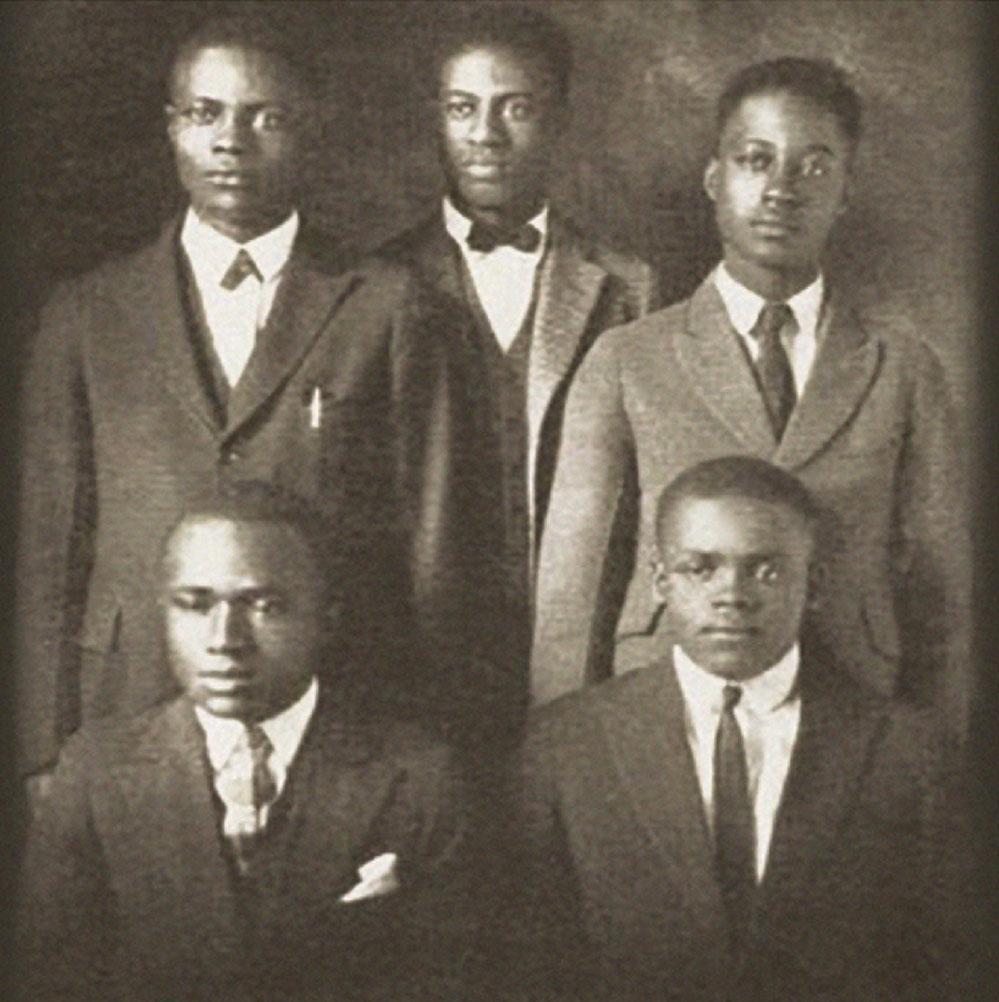
Long before Hollywood turned their story into a movie, a group of Black college students in Marshall, Texas, was accomplishing something quietly revolutionary.
They were winning arguments.
The legendary debate program at Wiley College, now Wiley University, became a powerhouse under professor and poet Melvin B. Tolson, who began coaching there in 1924. Wiley says the program spent years defeating prominent college teams and participated in a historic interracial debate in the South in 1930.
That history matters because Wiley’s debaters weren’t competing in the Texas we know today.
They were competing in Jim Crow Texas.
Black Excellence Behind the Color Line
Wiley itself represented something remarkable.
Founded in Marshall in 1873 by the Freedman’s Aid Society of the Methodist Episcopal Church, the school was created to provide higher education to Black people less than a decade after the Civil War.
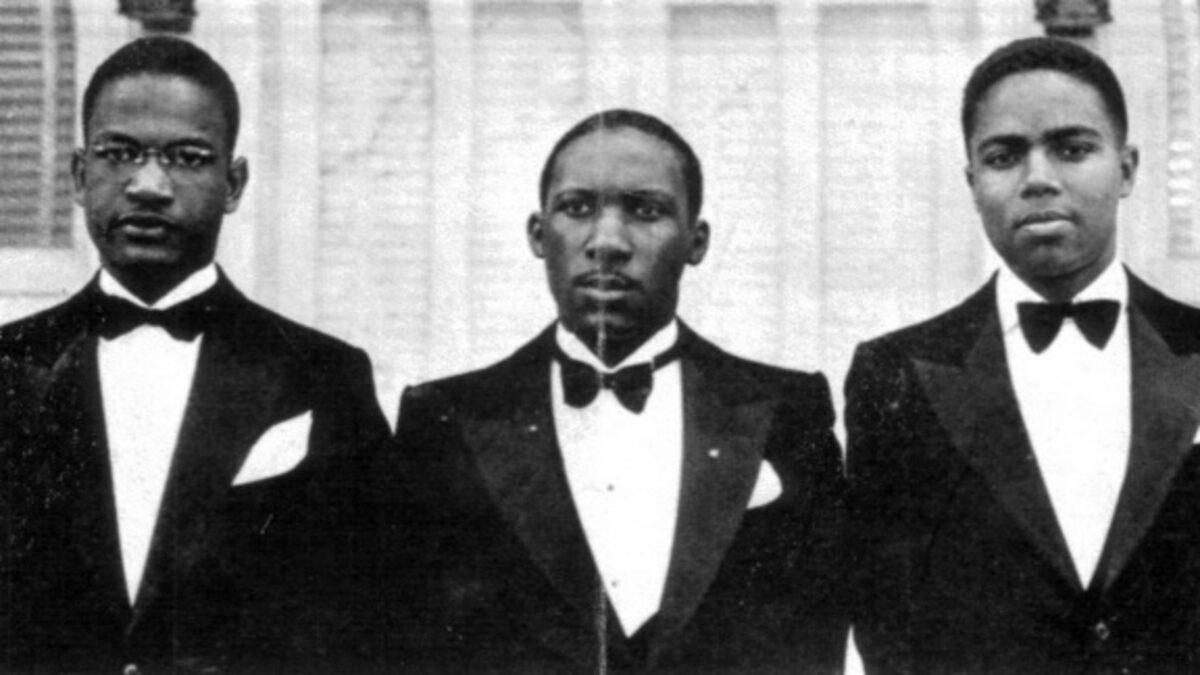
By the 1930s, Wiley students were demonstrating that segregation’s assumptions about Black intellectual inferiority could collapse under the weight of evidence, preparation and a microphone.
Tolson trained his students to research, reason and defend their arguments against some of the country’s strongest collegiate competition.
Then came 1935.
Wiley’s debate team defeated the reigning national champions from the University of Southern California, cementing the team’s place in Black educational history. Wiley identifies Hobart Jarrett, Henry Heights, James Farmer Jr. and Henrietta Bell Wells among the students whose intellectual legacy became associated with the celebrated team.
They weren’t asking America to assume Black students were intellectually equal.
They were walking onto debate stages and proving they could compete.
They Represent a Different Side of Black Texas History
When people discuss Black history in Texas, the conversation understandably gravitates toward slavery, Juneteenth, segregation, racial violence and the Civil Rights Movement.
Those stories must be remembered.
But Black Texans weren’t simply surviving Texas history.
They were building it.
They established churches, businesses, newspapers, schools and colleges. They became lawyers, professors, physicians, entrepreneurs and political organizers.
The Great Debaters belong to that tradition.
Their story reminds Black Texans that intellectual achievement existed alongside resistance.
The classroom could be a battlefield too.
And sometimes the weapon was an argument nobody on the other side could answer.
James Farmer Shows Where That Education Could Lead
Perhaps no member better demonstrates Wiley’s wider importance than James Farmer Jr.
Farmer entered Wiley extraordinarily young and participated in its debate tradition before becoming one of the most consequential figures of the Civil Rights Movement.
He later co-founded the Congress of Racial Equality, or CORE, and became closely associated with the Freedom Rides challenging segregation in interstate transportation. Wiley specifically identifies Farmer among the civil-rights leaders shaped by the university’s intellectual tradition.
That connection is powerful.
The teenager learning to construct arguments in Marshall would eventually help construct arguments against segregation before the entire country.
Debate wasn’t merely about trophies.
It was training Black students to confront power.
And the Legacy Never Died
Denzel Washington’s 2007 film The Great Debaters introduced millions of Americans to Wiley’s story. Washington later donated $1 million to revive the school’s debate program, which became the Melvin B. Tolson & Denzel Washington Forensics Society.
But this isn’t simply a preserved historical exhibit.
Wiley students are still debating and winning.
At the 2025 HBCU National Speech and Debate Championship, Wiley finished third nationally, second overall in individual events and produced four individual national champions.
Nearly a century after Tolson’s students stepped onto debate stages, students in Marshall are still carrying that tradition.
What the Great Debaters Mean to Black America
The Great Debaters represent something larger than Wiley University.
They are evidence of what Black Americans accomplished when opportunities were deliberately restricted but education was fiercely pursued anyway.
For Black Texans especially, Wiley should occupy a place beside the state’s other great Black historical institutions and figures.
Because the Great Debaters left behind a message that remains useful today:
Learn the facts.
Master the argument.
Know your history.
Speak for yourself.
A society may attempt to deny people political power, economic opportunity or social equality.
But the Great Debaters demonstrated another form of power that was considerably harder to confiscate.
The power to think.
The power to speak.
And the power to make the other side answer you.
—Sylvester Loving, B1Daily




Leave a comment