—Tyler Levitt, B1Daily
For generations, Americans took pride in fixing their own cars.
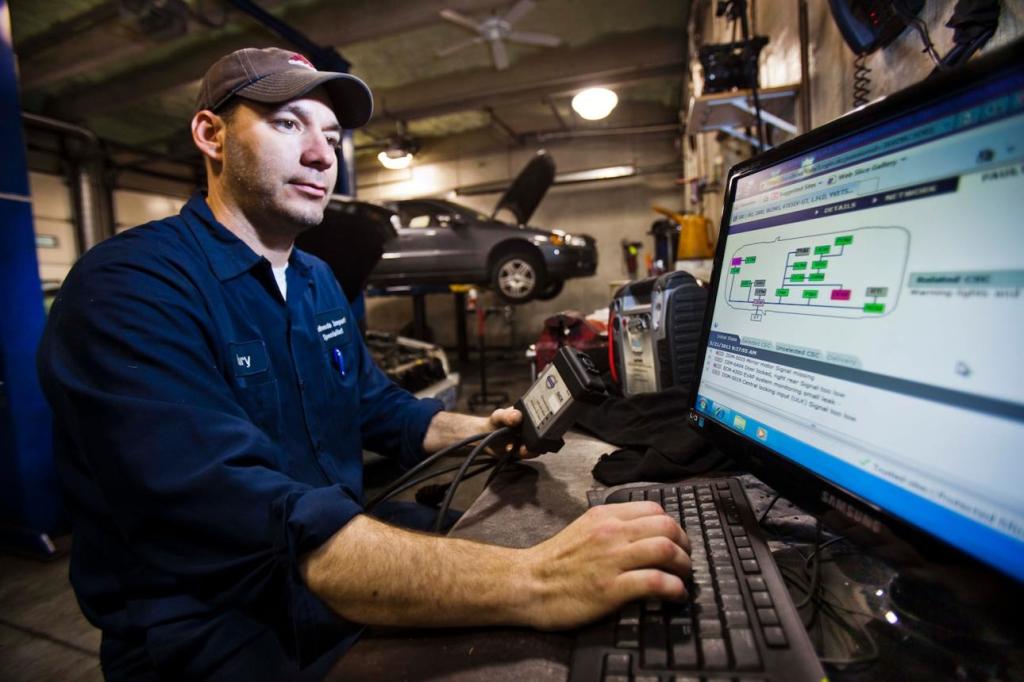
Whether it was replacing a starter, changing a water pump, or diagnosing an engine problem in the driveway, car ownership came with a certain level of independence. But as vehicles become increasingly dependent on software, sensors, and computer systems, a new battle is emerging over who gets to control repairs.
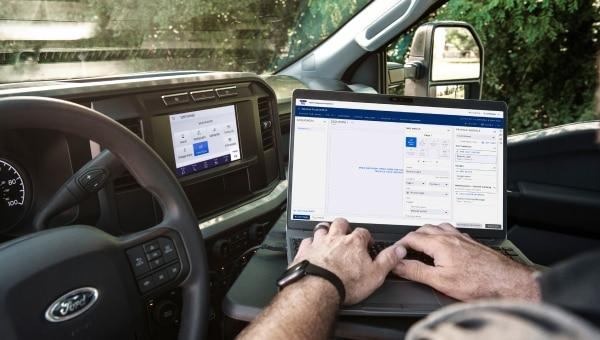
At the center of that fight are Ford and General Motors, whose executives recently discussed right-to-repair issues with President Donald Trump. According to Trump’s account of the meeting, the automakers expressed concerns about broad repair access, sparking a national debate over whether car owners should retain the right to repair their own vehicles.
Cars Are Becoming Computers on Wheels
Modern vehicles are vastly different from the cars many Americans grew up driving.
Today’s Fords and Chevrolets contain dozens of computers, millions of lines of software code, over-the-air update capabilities, advanced driver-assistance systems, and increasingly sophisticated cybersecurity protections.
Automakers argue that unrestricted access to software systems could create safety risks, privacy concerns, cybersecurity vulnerabilities, and intellectual property issues. Ford CEO Jim Farley has publicly stated that many modern vehicle repairs are far more complex than repairs on older vehicles and that improper repairs could create safety risks.
On the surface, that argument has merit.
A software error in a modern vehicle can affect braking systems, steering assistance, battery management, and autonomous driving functions.
The Consumer’s Counterargument
The problem, critics say, is that software restrictions often create repair monopolies.
If only dealerships have access to diagnostic tools, software keys, repair manuals, and programming systems, consumers have fewer options when something breaks.
That reduced competition frequently translates into higher repair bills.
Supporters of right-to-repair legislation argue that independent repair shops should have the same access to repair information that manufacturers provide to their own dealership networks. They contend that consumers should be free to choose where their vehicles are repaired.
For many Americans, this isn’t a philosophical debate.
It’s a financial one.
The Cost of Restricting Repairs
According to advocates supporting federal right-to-repair legislation, dealership repairs can cost substantially more than comparable work performed by independent shops. Industry surveys cited by repair advocates suggest dealership repair costs can be as much as 36 percent higher in some cases.
That difference becomes even more important as vehicle ownership costs continue to rise.
New vehicles routinely exceed $50,000.
Auto insurance premiums have climbed sharply.
Interest rates remain elevated.
Repair costs are already straining household budgets.
Limiting repair options could make those costs even worse.
The Software Lock Problem
A growing concern among consumers is what many call “software locking.”
In some vehicles, replacing a physical component is no longer enough.
After installing a new battery, sensor, module, or electronic component, the vehicle may require manufacturer-specific software authorization before the part functions properly.
Without access to those tools, independent mechanics can be forced to send customers back to dealerships, even after performing most of the repair work themselves.
Critics argue that this creates artificial barriers designed to protect dealership service revenue.
Manufacturers respond that software controls are necessary to prevent unauthorized modifications and maintain vehicle safety.
Who Really Benefits?
The economic incentives are difficult to ignore.
Vehicle sales generate revenue once.
Service departments generate revenue for years.
Repair and maintenance operations are among the most profitable segments of many dealership businesses. Restricting access to repair tools and software can help preserve those revenue streams by directing more customers back to authorized service centers.
Consumer groups argue that the result is less competition and higher prices.
Automakers counter that protecting software systems helps prevent hacking, unsafe repairs, and unauthorized tampering.
A Question of Ownership
The larger issue may be one of ownership itself.
When consumers spend tens of thousands of dollars on a vehicle, many believe they should have the right to repair, modify, and maintain that vehicle as they see fit.
If software restrictions prevent owners from fixing products they legally purchased, critics argue that ownership begins to resemble a long-term license rather than true ownership.
That concern extends beyond automobiles.
The same debate has emerged around smartphones, tractors, medical equipment, electronics, and household appliances.
The Road Ahead
Congress continues to consider legislation that would establish broader right-to-repair protections nationwide. Meanwhile, automakers, dealerships, repair organizations, and consumer advocates remain locked in a battle over how much access independent repairers should have to vehicle software and diagnostic systems.
No one disputes that modern vehicles require cybersecurity protections.
The real disagreement is whether those protections require restricting repair access or whether consumers can have both security and repair freedom.
For millions of drivers, the answer could determine whether future repairs remain affordable or become increasingly controlled by a handful of manufacturers and dealership networks.
—Tyler Levitt, B1Daily






Leave a comment