
—Vanessa Edwards, B1Daily
For generations, health outcomes in Black communities have been shaped by more than individual choices. Factors such as neighborhood resources, healthcare availability, income inequality, food access, stress, and medical trust have all played a role in creating major health disparities.
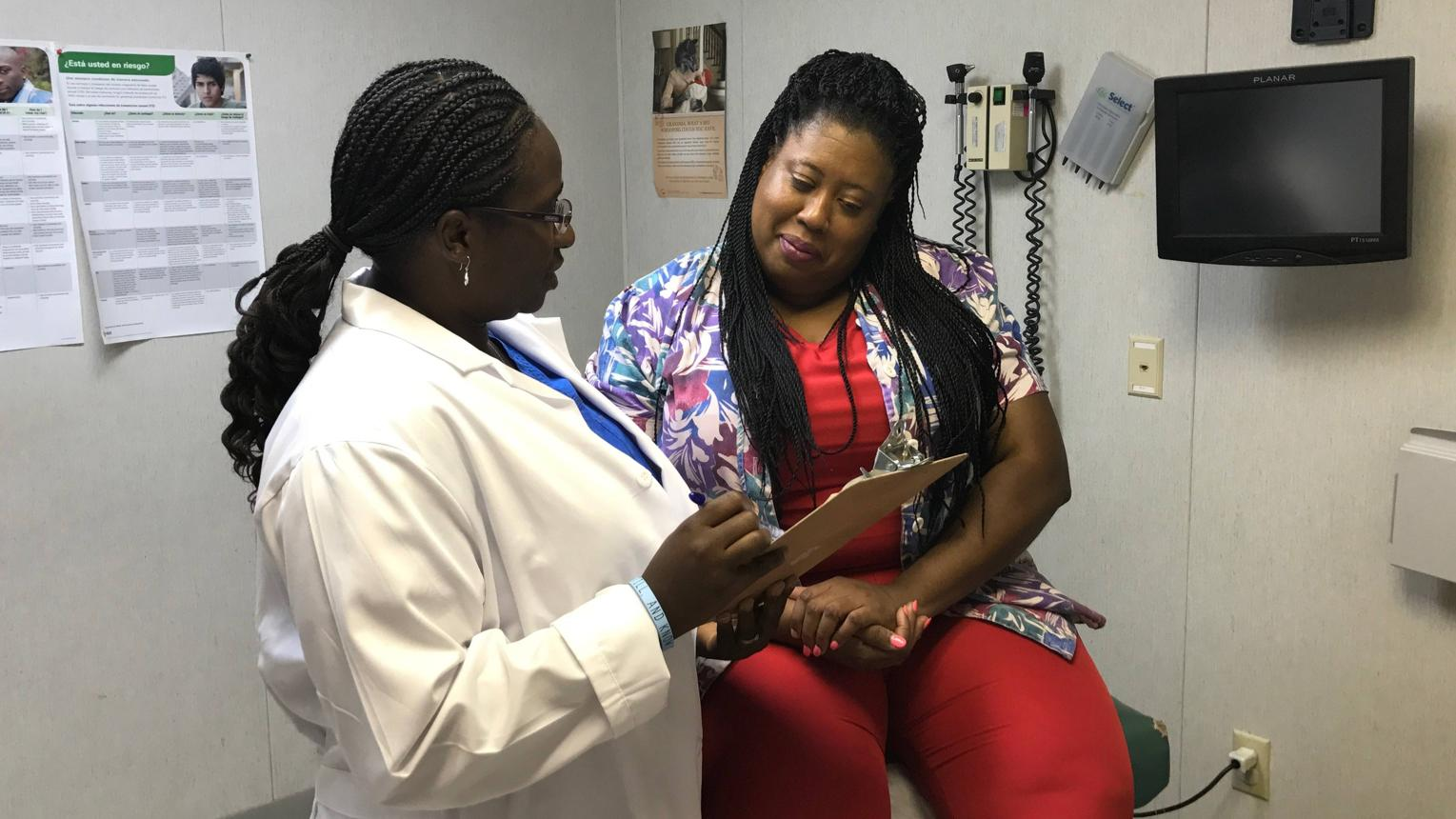
Among the most urgent challenges are obesity and diabetes, two conditions that affect millions of Americans and disproportionately impact Black adults. While these health issues can affect anyone, Black communities experience some of the highest rates of diabetes and obesity in the nation.
The crisis is not simply about weight or diet. It is about access, opportunity, and whether people have the tools needed to live healthier lives.
A Growing Health Challenge
Obesity has become one of the nation’s largest public health concerns, increasing the risk of serious conditions including type 2 diabetes, heart disease, stroke, kidney disease, and certain cancers.
Black adults experience obesity at higher rates compared with many other racial and ethnic groups in the United States. This disparity is connected to a variety of factors, including differences in access to healthy foods, safe spaces for physical activity, healthcare services, and preventive resources.
Diabetes has also become a major concern. Type 2 diabetes, which is strongly influenced by lifestyle, genetics, and environmental factors, affects Black Americans at significantly higher rates than white Americans.
The impact extends beyond individuals. Families and communities often carry the financial and emotional burden of managing chronic illness.
The Connection Between Obesity and Diabetes
Obesity does not automatically lead to diabetes, but excess body weight can increase the risk of developing insulin resistance, one of the major causes of type 2 diabetes.
When the body becomes less responsive to insulin, blood sugar levels can rise over time, eventually leading to diabetes if not addressed.
Preventive care, including regular screenings, nutrition support, physical activity programs, and early intervention, can dramatically reduce complications.
The challenge is making those resources available before serious health problems develop.
The Role of Food Access
One of the biggest contributors to health disparities is the unequal availability of nutritious food.
Many predominantly Black neighborhoods face limited access to grocery stores offering affordable fresh fruits, vegetables, lean proteins, and whole grains. Instead, residents may have more access to fast food restaurants, convenience stores, and highly processed foods.
These environments are sometimes described as food deserts or areas with limited food access.
However, many community leaders argue that the issue is more complex than simply individual food choices. People cannot choose healthier options if those options are unavailable, unaffordable, or difficult to reach.
Healthcare Access and Preventive Care
Preventive healthcare can save lives by identifying health risks before they become severe.
Routine checkups, blood pressure screenings, diabetes testing, nutrition counseling, and early treatment can help people manage their health more effectively.
Yet many Black Americans face barriers to consistent healthcare, including:
- Limited access to nearby clinics and specialists
- Insurance challenges
- Transportation issues
- High healthcare costs
- Lack of culturally responsive care
- Historical mistrust caused by past medical abuses and discrimination
When people delay care, conditions that could have been managed early may become more serious.
The Importance of Community Solutions
Across the country, community organizations, churches, health centers, and local leaders are developing programs designed specifically for the needs of Black communities.
These efforts include:
- Community fitness programs
- Diabetes prevention classes
- Nutrition education
- Farmers markets
- Health screenings
- Support groups
- Partnerships with local healthcare providers
Many successful programs focus on meeting people where they are rather than blaming individuals for health challenges.
The Rise of New Treatment Options
Recent years have brought new attention to obesity and diabetes treatment, including advances in medications that help regulate blood sugar and support weight management.
New therapies have created opportunities for some patients, but access remains a major concern. Cost, insurance coverage, and availability can determine who benefits from these medical breakthroughs.
Health advocates argue that innovation must be paired with affordability and equal access.
Building a Healthier Future
Reducing obesity and diabetes disparities in Black communities will require more than encouraging individual lifestyle changes.
It will require investment in neighborhoods, affordable healthcare, better food access, preventive services, and trust between patients and medical providers.
Health equity means creating conditions where everyone has a fair opportunity to live a healthy life.
The future of public health depends on recognizing that wellness is shaped not only by personal decisions but also by the environments people live in every day.
—Vanessa Edwards, B1Daily






Leave a comment