—Michael Lyles, B1Daily
“We don’t actually need the building to be functional; we just need the zoning to remain ‘industrial’ until the rezoning board meets in October.”
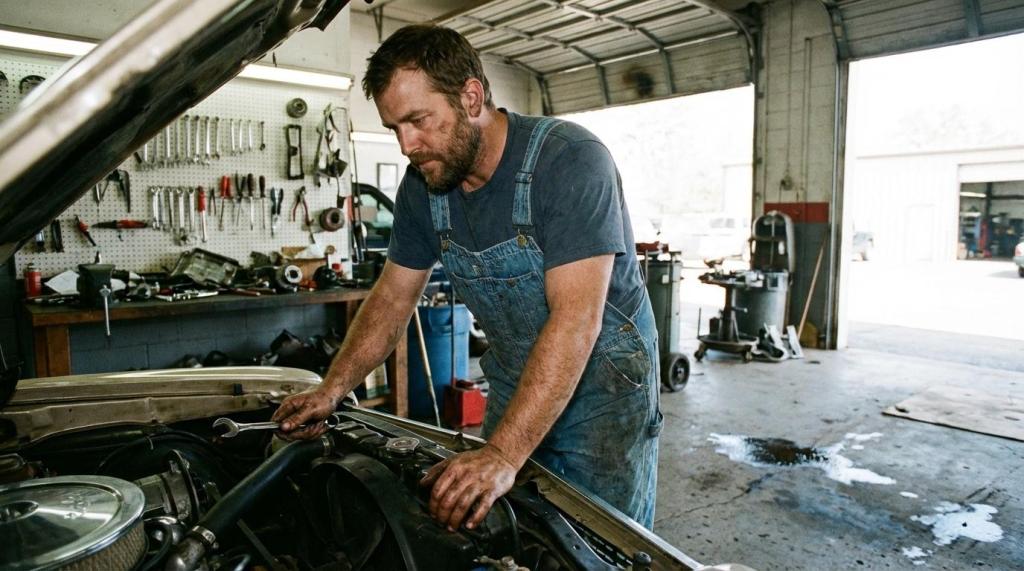
That is a sentiment echoed across a dozen different zip codes, from the Rust Belt to the Sun Belt. It is the mantra of the modern corporate acquisitor. While the average American is preoccupied with the rising cost of a brake job, a quiet, systemic shift is occurring in the landscape of American infrastructure. The local repair shop the greasy, family-owned hub of the neighborhood, is being liquidated.
Not by competitors, but by the titans of passive investment: BlackRock and Vanguard.
To the casual observer, it seems absurd. Why would the world’s largest asset managers, firms that deal in trillion-dollar indices and sovereign debt, care about a three-bay garage in Ohio or a transmission shop in Florida? They don’t care about the transmissions. They care about the land and the aggregation.
The Strategy of “Roll-ups”
The phenomenon is known as a “roll-up strategy.” Private equity arms and institutional investors identify fragmented industries services where thousands of small, independent operators hold a significant portion of the market share and begin buying them up.
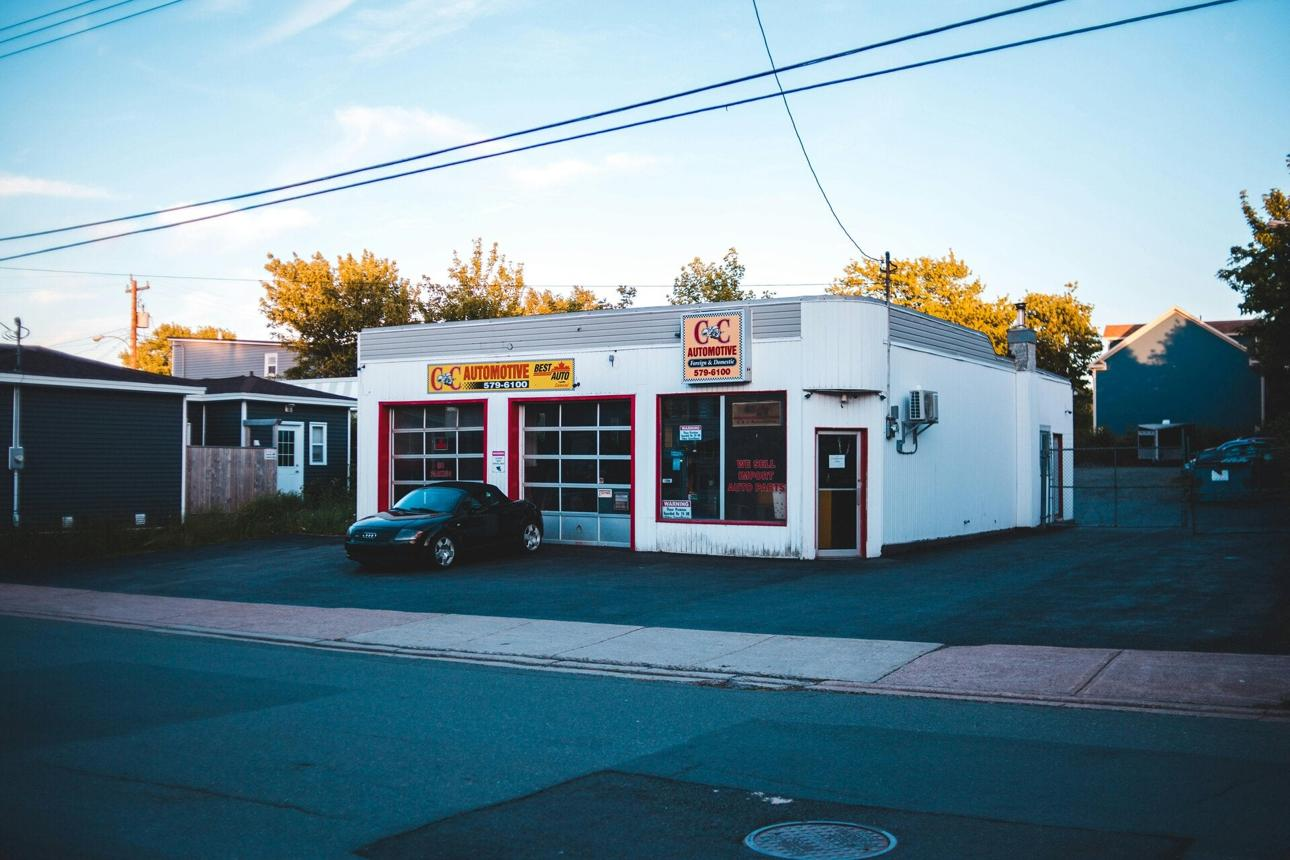
The goal is rarely to operate a better repair shop. The goal is to consolidate the market, standardize the pricing (usually upward), and then “optimize” the portfolio. Optimization is a corporate euphemism for cutting costs. In the context of a repair shop, this means firing the master technicians who have twenty years of experience but demand a living wage, and replacing them with lower-tier technicians operating under a corporate script.
But the trend has shifted from operational consolidation to something more predatory: Strategic Closure.
The Valuation Trap
BlackRock and Vanguard do not “buy shops” in the way a neighbor buys a business. They invest in the private equity firms and Real Estate Investment Trusts (REITs) that do the buying. These REITs are currently engaging in a land-grab of light-industrial zoning.
By acquiring the land beneath the repair shop, these entities gain a physical foothold in urban corridors. Once the “portfolio” reaches a certain density, the business model shifts. The repair shop is closed—not because it isn’t profitable, but because the land is more valuable as a vacant lot awaiting a luxury mixed-use development or a “last-mile” logistics hub for e-commerce giants.
The result is a “repair desert.” As the local shops vanish, the consumer is pushed toward the dealership’s service center or corporate-owned chains, where the “Right to Repair” is nonexistent and the margins are astronomical.
The Death of the “Tinker” Economy
The closure of these shops represents more than just a loss of convenience; it is the erasure of a specific kind of American economic autonomy. The local mechanic was the last bastion of the “tinker economy,” where a level of trust and transparency existed between the provider and the consumer.
When a REIT closes a shop to “optimize” a land parcel, they aren’t just removing a business; they are removing a community resource. You cannot download a transmission flush. You cannot “cloud-compute” a head gasket. By treating physical repair infrastructure as a mere line item on a balance sheet, the institutional investors are creating a bottleneck in the physical world.
The Macro Effect
As BlackRock and Vanguard increase their stakes in the REITs that control these industrial parcels, we are seeing a trend toward “Rentier Capitalism.” In this model, the goal is not to produce a service or a product, but to own the space where those services happen and extract rent.
If the goal is simply to hold the land until the value peaks, the actual functionality of the shop becomes an inconvenience. The tools are auctioned off, the lifts are dismantled, and the “Closed” sign becomes a permanent fixture.
The American driver is left in a precarious position: owning a vehicle they can no longer afford to fix, in a town where the only place to fix it has been converted into a holding asset for a fund based in New York.
—Michael Lyles, B1Daily






Leave a comment