
—Barrington Williams, B1Daily
Across the United States, a quiet but powerful movement is underway: the reclamation of Indigenous ancestry. This is not merely a trend of genealogical curiosity, but a profound spiritual and political homecoming. Black Americans are rediscovering their indigenous roots.
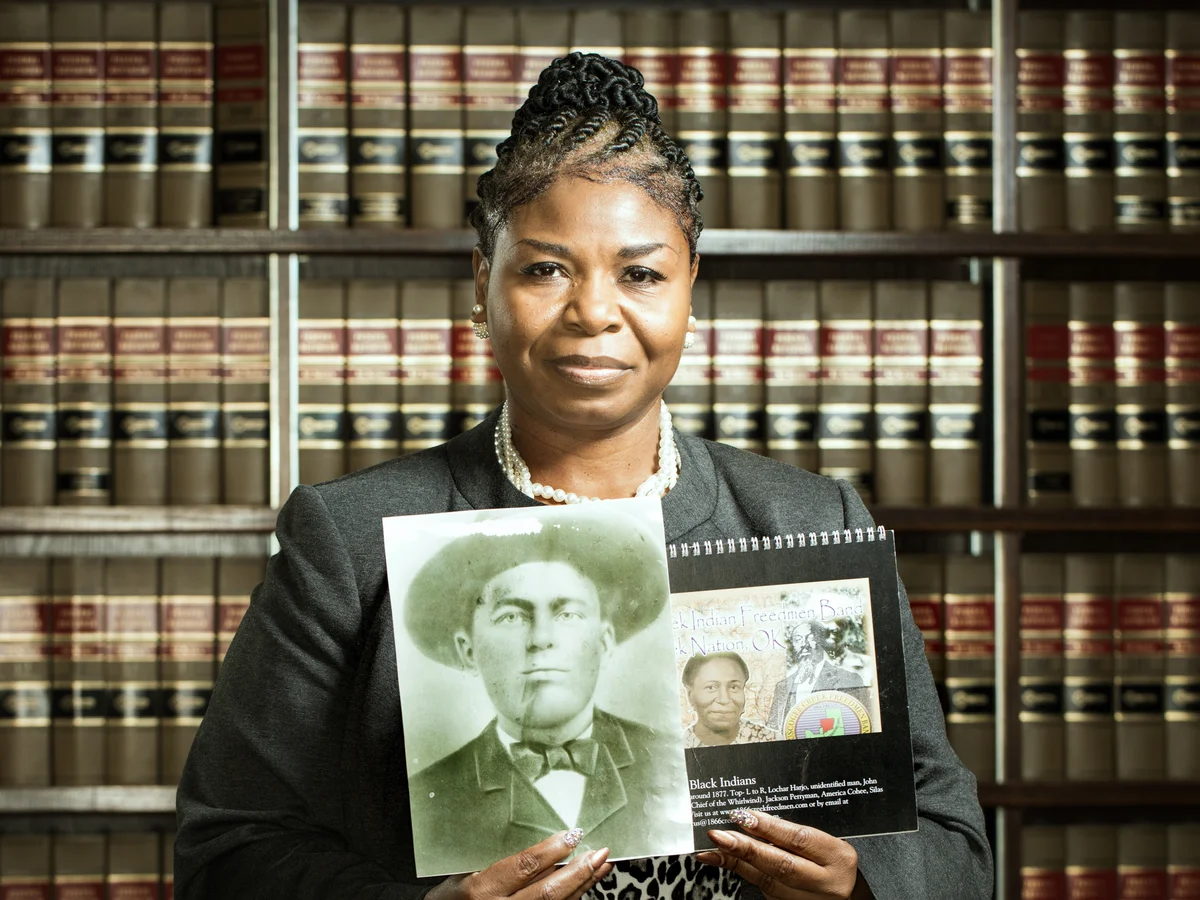
To understand why this reclamation is happening now, one must understand how the erasure occurred. In the 19th and early 20th centuries, the American legal system operated on a binary of “White” or “Colored.” However, as the legalities of land ownership and citizenship shifted, the “one-drop rule” served a dual purpose. While it was used to disenfranchise Black people, it also effectively absorbed them into a generic “Black” category, erasing their specific ties to the Indigenous nations of the Americas.
Many Black Americans carry “ghost DNA” genetic markers of Native American ancestry that were scrubbed from family trees by census takers, biased historians, and the trauma of survival. In many cases, admitting to Indigenous roots was dangerous; in others, the cultural markers (language, herbal medicine, weaving) were passed down as “family traditions” without the explicit label of “Native,” blurring the line between ancestral memory and historical fact.
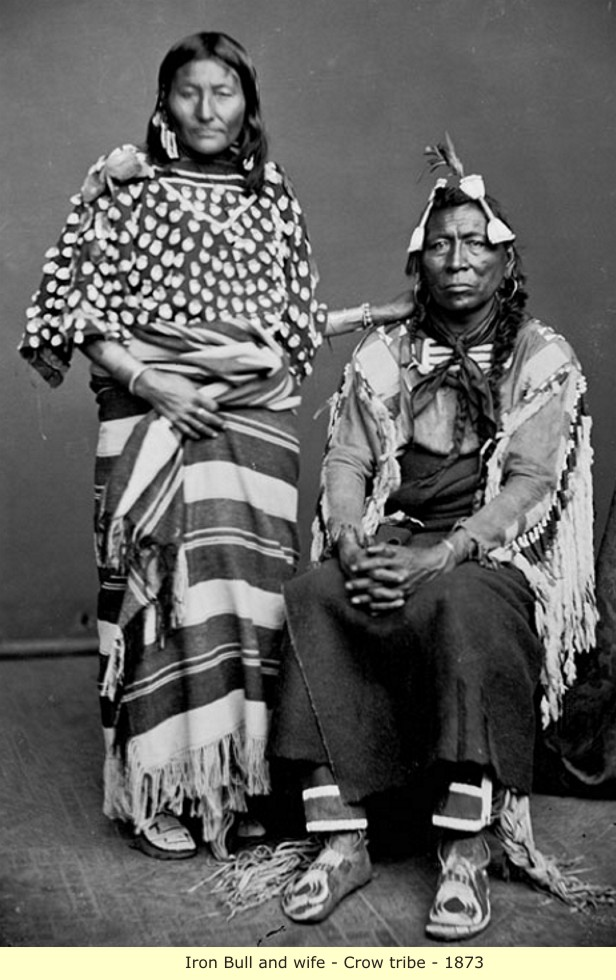
The modern surge in reclamation is often sparked by the ubiquity of DNA testing. A person discovers a percentage of Native American DNA and suddenly the “family legends” about a Cherokee great-grandmother or a Muscogee lineage move from the realm of myth to the realm of data.
However, the movement has evolved beyond the “percentage” on a screen. Scholars and community leaders are pushing for a shift from genetic identity to relational identity.
The process of reclamation begins with genealogical forensic work, a meticulous excavation of 19th-century census records where labels like “Colored” or “Mulatto” often served as convenient masks for Indigenous identities.
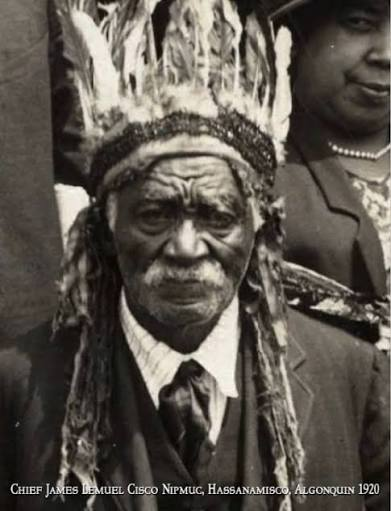
This archival recovery evolves into a tangible cultural reconnection, as individuals relearn their ancestral relationship with the land, studying the specific flora, water systems, and spiritual practices of the regions their forebears once inhabited. Ultimately, this journey fosters a deep inter-tribal solidarity, building essential bridges between the Black community, forgotten Black tribes, and current sovereign Tribal Nations by recognizing that the histories of indigenous peoples are inextricably linked through a legacy of shared struggle and coexistence.
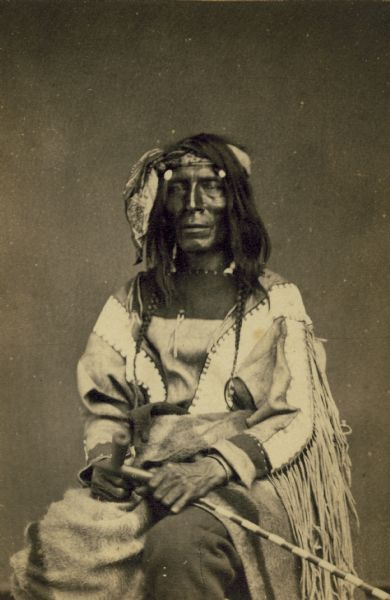
Reclaiming Indigenous ancestry is not without tension. Within some Native communities, there is a rightful caution regarding often white “$5 pretendians” or those claiming heritage solely for social capital. However, for many Black Americans, the Native community sees this reclamation is an act of decolonization.
By acknowledging their Indigenous roots, they are challenging the colonial narrative that they are “foreigners” to the American landscape. It is a claim to indigeneity a statement that they are not just descendants of enslaved people brought to a new land, but people who have been woven into the soil of this continent for centuries.
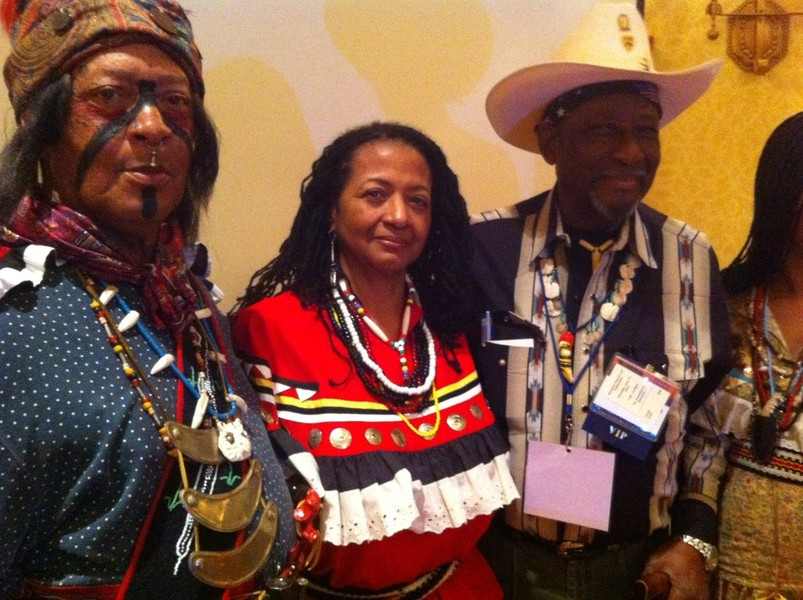
Ultimately, this movement is about healing a fragmented identity. For the person who has always felt a visceral, inexplicable connection to the red clay of Georgia or the marshes of Louisiana, the reclamation of Indigenous ancestry provides a vocabulary for that feeling.
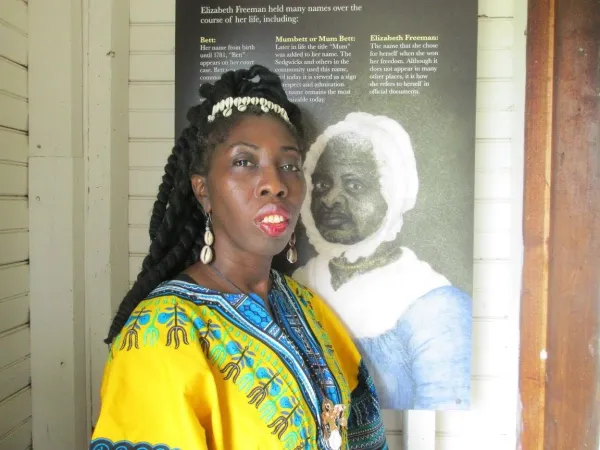
It is the realization that the “Black experience” in America is not a monolith, but a tapestry. It is the understanding that while the chains of slavery were forged in Africa and Europe, the resilience to survive them was often nurtured by the knowledge, medicine, and kinship of the Indigenous peoples who shared the land.
As more Black Americans look backward, they are finding that they aren’t just searching for ancestors, they are searching for the map that leads them back to a sense of belonging in a land that tried to tell them they didn’t belong.
—Barrington Williams, B1Daily





Leave a comment