—Sylvester Loving, B1Daily
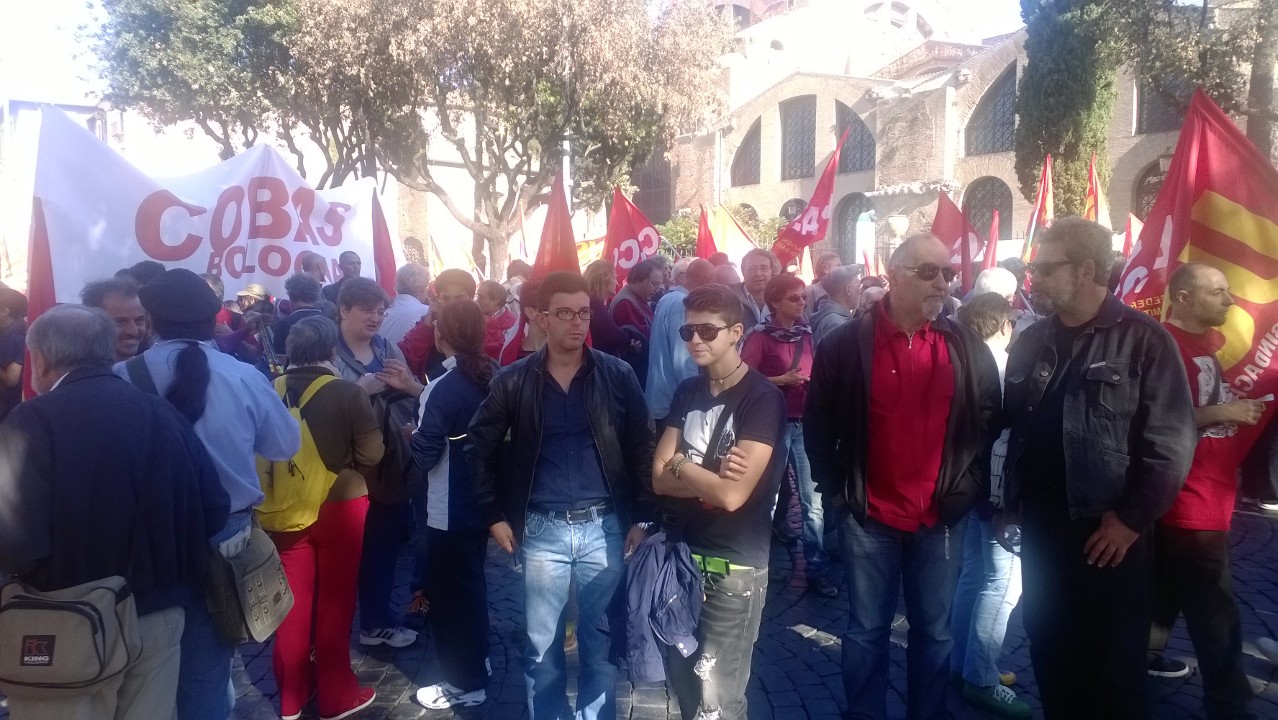
ROME — Tens of thousands of Italian workers and students marched across the country Friday, November 20, in a sweeping protest over stagnant wages, soaring household costs and the government’s spending priorities. The demonstrations challenged Prime Minister Giorgia Meloni’s economic agenda as activists questioned why military expenditure is rising while families struggle to afford housing and basic services.

The general strike was organized by CGIL, Italy’s largest trade union, with separate action by grassroots unions including Cobas. Demonstrations took place in more than 100 cities, including Rome, Milan, Turin, Naples and Palermo. CGIL leader Maurizio Landini said more than one million people participated, a union estimate that had not been independently confirmed by authorities.
Workers demanded pay increases, renewed labor contracts, stronger pensions and greater investment in healthcare and schools. Students joined the marches to protest housing costs and what they described as an erosion of their future prospects. The action disrupted schools, healthcare facilities and some local transport, although legally required minimum services remained in place.
The anger is directed partly at Meloni’s proposed €26 billion budget for 2027. Union leaders argue that the package does too little to restore purchasing power after years of inflation and insufficiently protects public services. Opposition Democratic Party leader Elly Schlein accused the government of favoring additional military spending while shortchanging healthcare, education and housing. Her characterization of the budget is a political criticism, not an independently established accounting of every spending provision.
Military spending has become a potent symbol of the dispute. Student organizers across Europe have rallied under the message that governments should fund young people’s futures rather than wars. In Italy, protesters say expanded defense commitments must be weighed against the immediate needs of workers, pensioners and families. Supporters of stronger defense budgets, however, argue that European security threats and NATO commitments cannot simply be ignored.
The government has rejected the suggestion that it is indifferent to household pressures. Industry Minister Adolfo Urso criticized the timing of the strike, saying organizers had called it before seeing the budget’s details, while Labor Minister Marina Calderone said the administration had taken steps to address wages. The dispute is therefore not only about the size of public spending, but also who benefits from it and how quickly.
Friday’s action follows major Italian demonstrations on October 30 and coincides with youth protests in other European countries. With Italy approaching parliamentary elections in 2027, the protests present Meloni’s government with a political warning: promises of national strength may prove difficult to sell when voters believe their own living standards are moving in the opposite direction.
—Sylvester Loving, B1Daily
Leave a Reply