—Kerry Hill, B1Daily
WASHINGTON — President Donald Trump has replaced White House National Cyber Director Sean Cairncross after a turbulent week of technology outages disrupted airlines, banks, Microsoft services and sensitive federal systems, putting renewed attention on the government’s ability to manage digital emergencies.
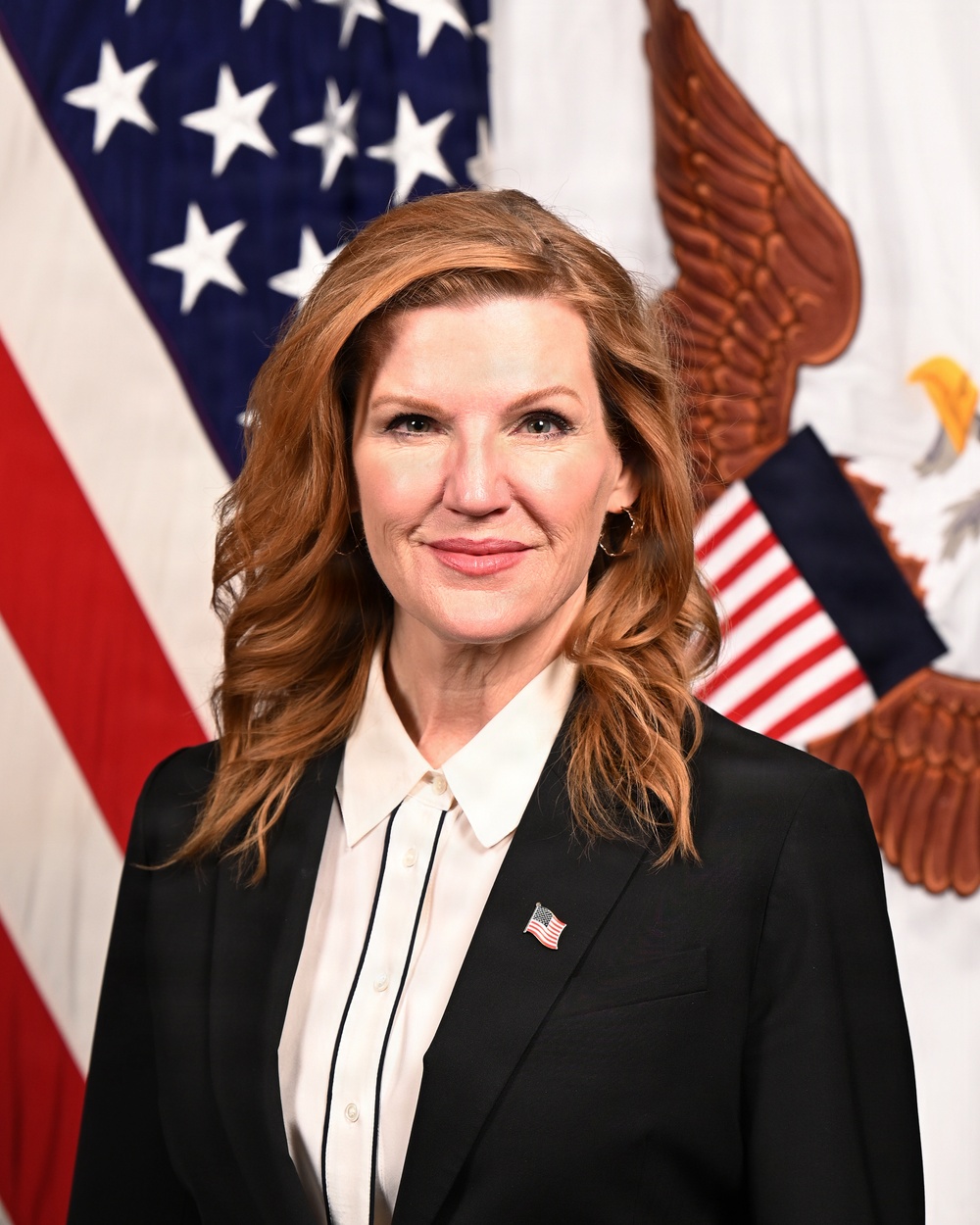
The White House announced November 20 that Kirsten Davies, the Pentagon’s chief information officer, had been selected to lead the Office of the National Cyber Director. Davies will serve in an acting capacity while a permanent appointment awaits Senate confirmation. Cairncross, a former Republican National Committee executive who had held the position since August 2025, is leaving the administration.
Multiple news organizations reported that Cairncross was fired, citing administration sources who questioned his cybersecurity credentials. Other accounts initially characterized his departure as voluntary or amicable. Cairncross did not publicly describe a dispute with the president, instead saying he was proud of his work protecting critical infrastructure and confronting foreign threats.
The shake-up follows a striking series of failures. Recent outages affected Microsoft users, banking access, air traffic control and the National Security Agency’s internal network. A nationwide interruption to air travel disrupted thousands of flights, amplifying concern ahead of the Thanksgiving travel period.
But the incidents should not be mislabeled as a coordinated cyberattack. Senior administration officials say investigators have found no evidence that the outages are connected or were caused by foreign hackers. Officials and industry experts have pointed instead to separate maintenance problems, technical changes and software-patching complications as possible explanations.
That distinction does not make the disruptions harmless. Modern government and commerce depend on tightly connected systems, and even accidental failures can ripple across transportation, finance and national security. The cyber director’s office is supposed to coordinate federal cybersecurity strategy, not operate every private company’s network or prevent every equipment malfunction.
Davies brings a more conventional technology background to the role, having served as a senior cybersecurity executive at Unilever and held technology leadership positions at other multinational companies before joining the Pentagon. The administration says her appointment will help modernize federal systems and strengthen national cyber resilience.
The leadership change leaves Washington facing a larger question than who occupies one office: whether federal agencies, private infrastructure operators and the White House can communicate quickly and transparently when critical systems fail. As the country heads into one of its busiest travel and shopping periods, that answer matters regardless of whether the next disruption comes from an attacker or an ordinary technical mistake.
—Kerry Hill, B1Daily


Leave a Reply