—Sylvester Loving, B1Daily
For the white supremacist architects of the Holocaust and the commanders of the SS, the Atlantic Ocean was not merely a geographical barrier; but a cleansing agent. Between 1945 and 1950, a sophisticated pipeline known as the “Ratlines” transformed South America, and specifically Argentina, into a sanctuary for the architects of genocide.
The Logistics of Escape: The Ratlines
The escape was rarely a solo venture. It was a systemic operation facilitated by a strange bedfellows’ alliance: remnants of the Nazi party, members of the Catholic clergy, and intelligence agencies.
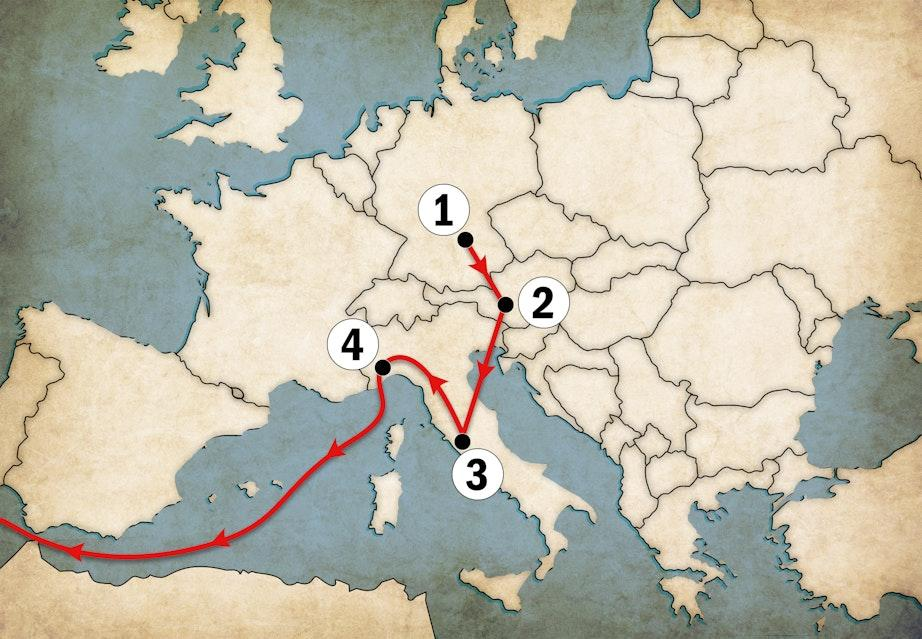
The “Ratlines” typically began in Italy. Refugees would move through “safe houses” and monasteries, often aided by priests who believed they were saving Christians from the “godless” Soviets. From Genoa or Naples, they boarded ships bound for Buenos Aires. Many traveled under assumed identities, their passports forged by collaborators who viewed the Third Reich’s collapse as a tragedy rather than a triumph.
Why Argentina?
Argentina was the destination of choice not by accident, but by design. Under the presidency of Juan Perón, Argentina maintained a posture of neutrality during the war and a deep admiration for European military discipline and industrialization.
Perón viewed the arriving Nazis not as war criminals, but as technical experts. He wanted German scientists to modernize the Argentine army and engineers to jumpstart the national industry. By offering state-sponsored employment and residency, Perón essentially laundered the reputation of these fugitives, integrating them into the fabric of Argentine society.
The Ghost of the Banality of Evil: Adolf Eichmann
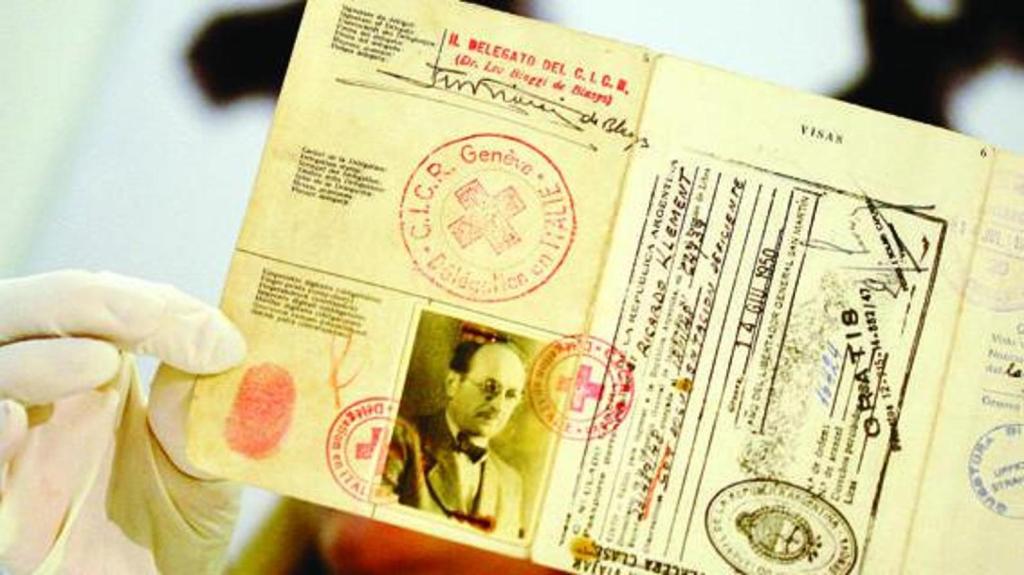
The most infamous resident of this shadow community was Adolf Eichmann. The man responsible for the logistics of the “Final Solution”, the one who scheduled the trains to Auschwitz,spent years living in a nondescript neighborhood in Buenos Aires.
To his neighbors, he was “Ricardo Klement,” a quiet, unassuming employee at a Mercedes-Benz plant. He lived a life of profound domesticity, a stark contrast to the industrial-scale slaughter he had coordinated. This dichotomy, the mundane life of a suburban father versus the monstrous reality of a mass murderer became the focal point of Hannah Arendt’s theory on the “banality of evil.”
Eichmann’s sanctuary ended in 1960. The Mossad, Israel’s intelligence agency, tracked him down in a daring operation. He was kidnapped from a Buenos Aires street, spirited away in secret, and flown to Israel. His subsequent trial served as a global reckoning, stripping away the anonymity that Argentina had provided.
The Legacy of the “Colonies”
Beyond Eichmann, thousands of others found refuge. From high-ranking officials like Josef Mengele the “Angel of Death” who evaded capture until his death in Brazil, to mid-level officers who established farming colonies in the Argentine pampas.
These communities were not merely hiding spots; they were ideological bunkers. For years, former Nazis lived in secluded clusters, raising children in the faith of the Third Reich, far from the eyes of the Nuremberg tribunals.
The story of the Nazis in Argentina is a cautionary tale about the white supremacy and its fear of of international justice.
It reveals how easily the “worst of the worst” can be absorbed by a welcoming state when political expediency outweighs moral imperative. For decades, the pampas of Argentina held a secret: that the architects of the Holocaust had not all been defeated in the bunkers of Berlin, but had simply changed their address.
—Sylvester Loving, B1Daily





Leave a comment