—Sylvester Loving, B1Daily
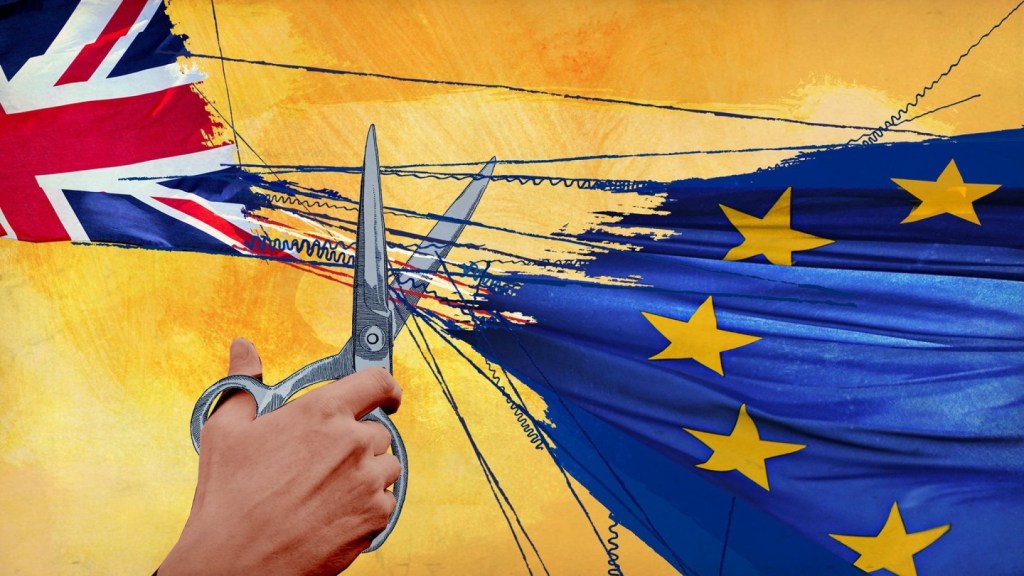
When the United Kingdom voted to leave the European Union in 2016, supporters promised a new era of economic independence. They argued that Brexit would allow Britain to reclaim control over its borders, laws, and trade policy while unlocking new opportunities around the world.
Nearly a decade later, however, many economists argue that Brexit has imposed significant costs on the British economy, even as supporters maintain that its long-term benefits have yet to be fully realized.
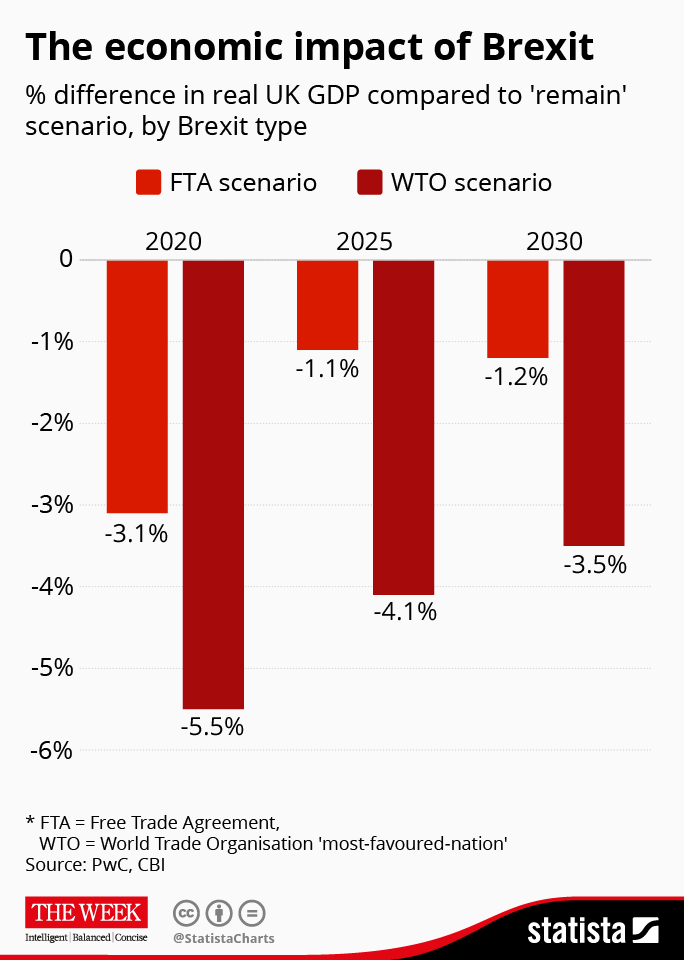
The debate over Brexit has shifted from whether leaving the European Union was the right political decision to what it has ultimately cost the country economically.
While Britain has also faced major challenges such as the COVID-19 pandemic, the global energy crisis, and high inflation, numerous economic studies have concluded that Brexit has reduced trade, business investment, and economic growth compared with what likely would have occurred had the UK remained in the European Union. Many economists estimate that Britain’s economy is smaller than it otherwise would have been because of the new barriers to trade with its largest and closest market.
One of the most immediate consequences of Brexit was the introduction of customs paperwork, regulatory checks, and additional trade requirements between the United Kingdom and the European Union.
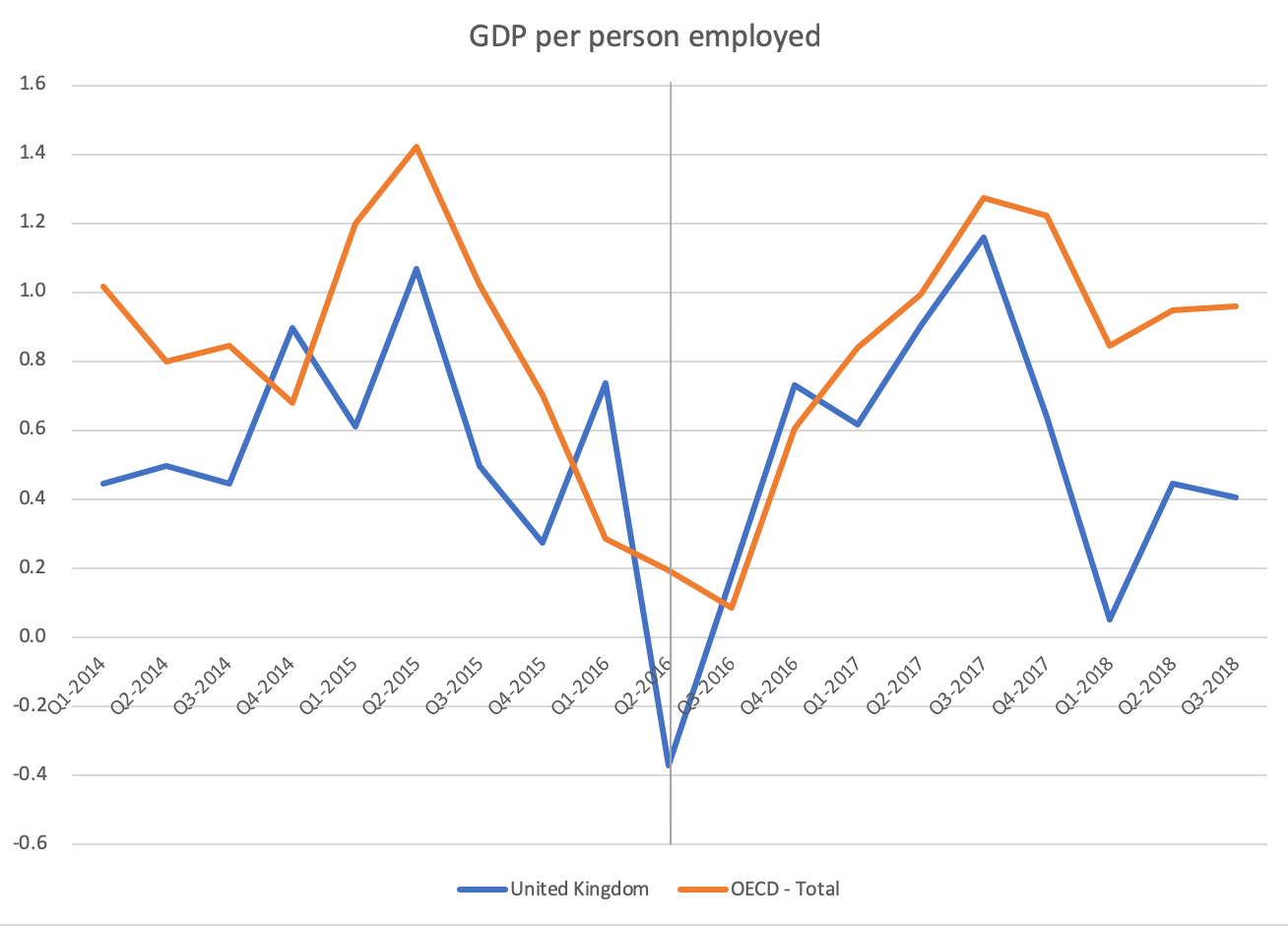
Businesses that once moved goods freely across Europe suddenly faced increased administrative costs, border delays, and more complex export procedures. Small businesses were particularly affected, with some deciding that the additional costs of complying with new customs rules made exporting to Europe no longer financially worthwhile. Although the UK has negotiated trade agreements with countries outside Europe, the European Union remains Britain’s largest trading partner, making friction with that market especially significant.
Brexit also created uncertainty for businesses, particularly during the years of negotiations over the UK’s future relationship with the European Union. Many companies delayed investments or reconsidered expansion plans while awaiting clarity on future trade rules. Some multinational corporations moved portions of their operations, staff, or financial assets to European cities such as Amsterdam, Dublin, Paris, and Frankfurt to maintain easier access to the EU’s single market. Economists have argued that weaker investment has contributed to slower productivity growth across the British economy.
Changes to immigration policy also reshaped Britain’s labor market. Ending the free movement of workers between the UK and the European Union reduced the number of European workers entering sectors such as agriculture, hospitality, construction, transportation, and healthcare. Many employers reported labor shortages that increased operating costs and contributed to supply chain disruptions. Supporters of Brexit argue that these changes encourage businesses to invest in British workers and raise wages, while critics contend that the shortages have hurt economic growth and increased prices for consumers.
London remains one of the world’s most important financial centers, but Brexit altered its relationship with European financial markets. Some banking operations, stock trading activity, and financial services moved to cities within the European Union as firms sought to preserve uninterrupted access to European clients. Although London continues to play a leading global financial role, many analysts believe Brexit reduced some of the competitive advantages that came with membership in the EU’s single market.
Not everyone agrees that Brexit has been an economic failure. Supporters argue that many of Britain’s economic difficulties were caused by external events, including the pandemic, global inflation, supply chain disruptions, and Russia’s invasion of Ukraine rather than Brexit itself. They also point to the UK’s ability to negotiate independent trade agreements, establish its own regulations, and control immigration policy as important long-term benefits that cannot be measured solely through economic statistics.
Critics acknowledge those gains but argue they have not yet offset the economic costs associated with weaker trade, reduced investment, and slower economic growth. They contend that while Britain remains one of the world’s largest economies, leaving the European Union has made it more difficult for businesses to compete in European markets and has reduced the country’s overall economic potential.
Nearly a decade after the referendum, Brexit remains one of the most consequential political and economic decisions in modern British history. The United Kingdom continues to adapt to its post-EU future, but the debate over its impact is far from settled. While supporters believe the full benefits of sovereignty and regulatory independence will emerge over time, many economists conclude that Brexit has, at least so far, imposed measurable economic costs that continue to shape Britain’s future.
—Sylvester Loving, B1Daily





Leave a comment