—Michael Lyles, B1Daily
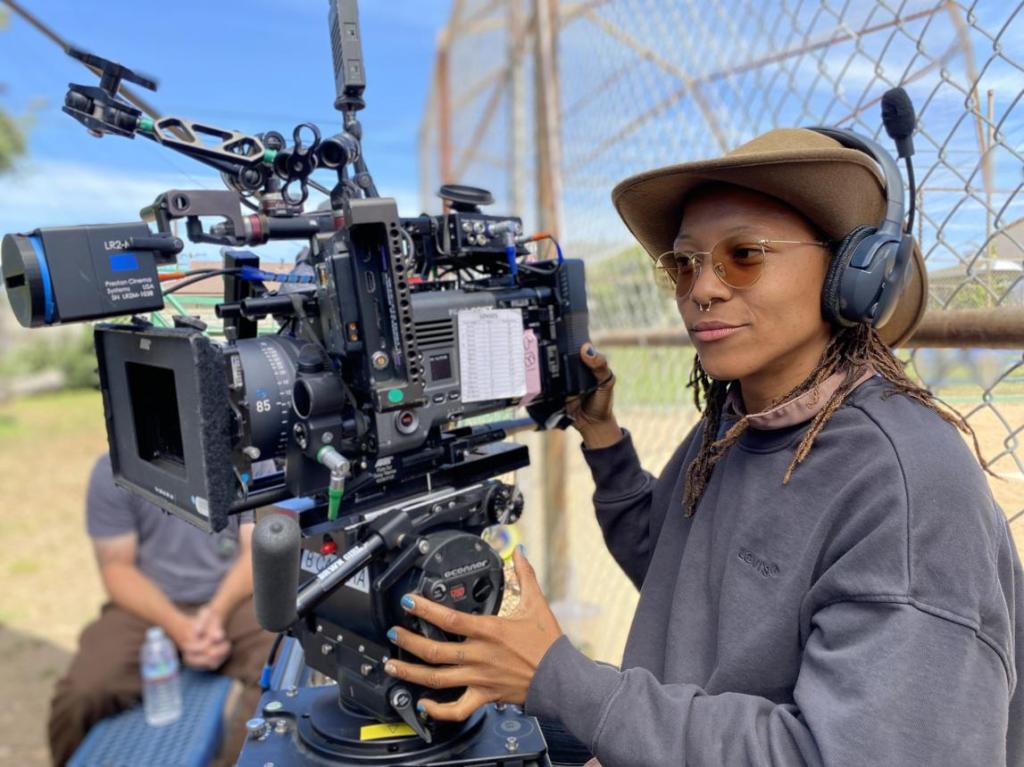
Black Americans have helped shape the entertainment industry through their creativity, acting, music, writing, and cultural influence. Yet when the cameras stop rolling and the profits are distributed, Black communities often receive only a fraction of the wealth generated by their own stories. As Atlanta has transformed into one of the world’s premier film and television production hubs, many financial experts and entrepreneurs argue that Black investors have an opportunity to become owners, not just participants, in one of America’s fastest-growing creative economies.
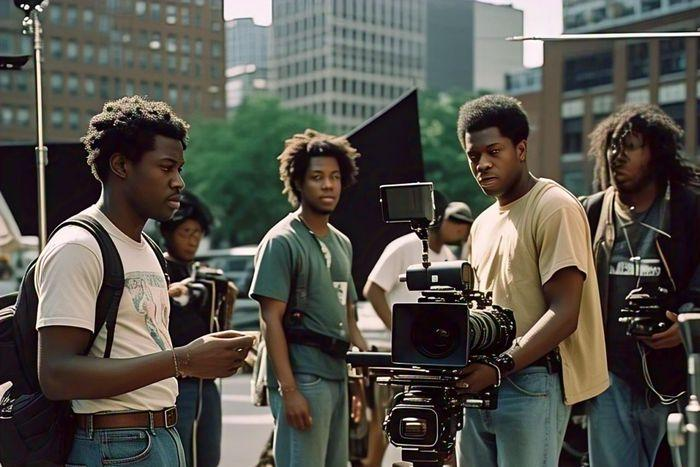
Atlanta’s rise has been nothing short of remarkable. Once considered a secondary filming location behind Los Angeles and New York, the city now hosts hundreds of television series, feature films, and streaming productions each year. Georgia’s generous film tax incentives, modern production facilities, skilled workforce, and diverse filming locations have attracted major studios including Disney, Netflix, Warner Bros. Discovery, Amazon MGM Studios, Universal Pictures, and Apple TV+. Tyler Perry’s studio complex, one of the largest film production facilities in the United States, has further cemented Atlanta’s reputation as “Hollywood of the South.”
For Black Americans, the significance goes beyond entertainment. Atlanta has long been recognized as a center of Black business, higher education, politics, and culture. The city’s growing film industry has created thousands of jobs for actors, directors, editors, set builders, costume designers, electricians, caterers, security companies, trucking firms, and countless small businesses. Every production brings millions of dollars into local communities, creating opportunities that extend far beyond the movie screen.
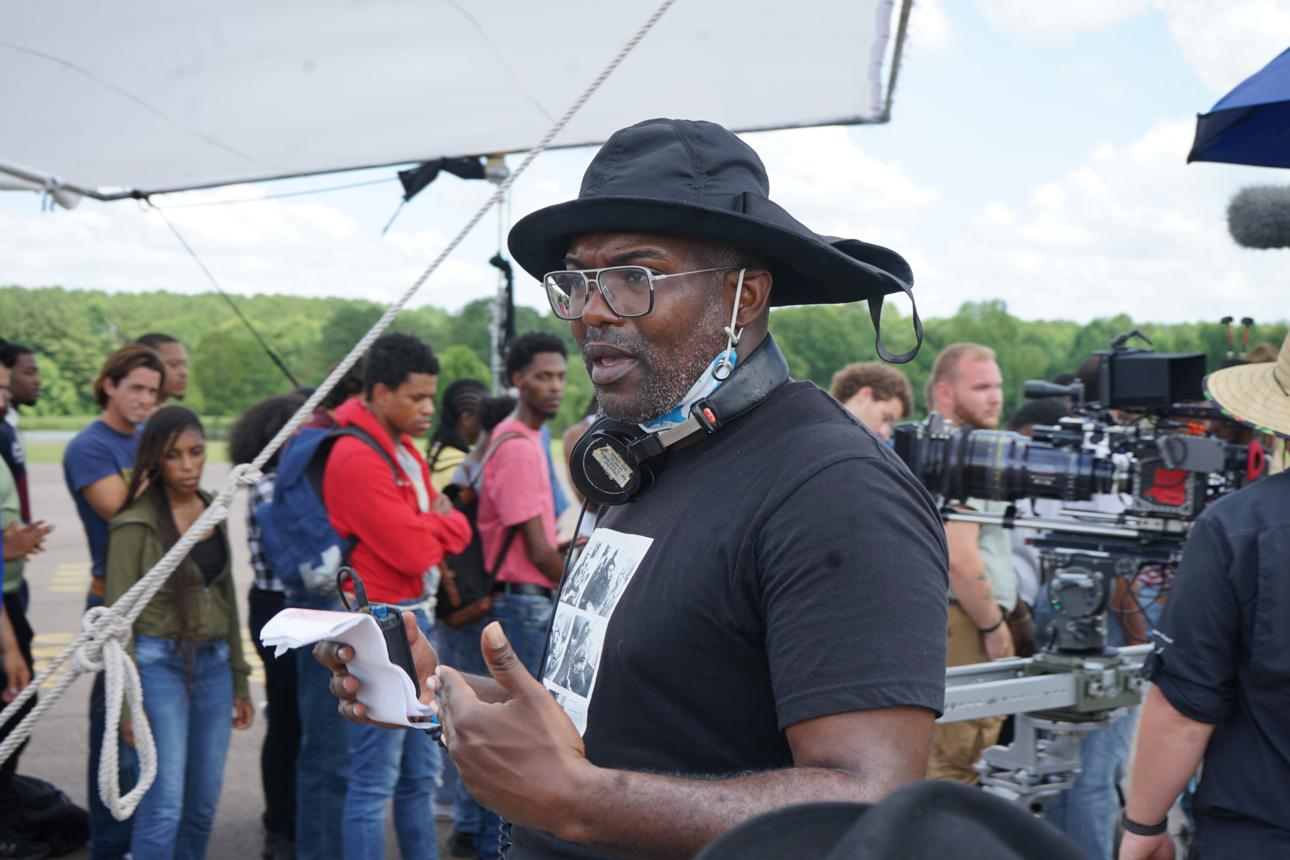
Despite this growth, ownership remains a challenge. While Black talent is increasingly visible on screen, Black ownership of production companies, sound stages, equipment rental firms, post-production facilities, financing companies, and entertainment real estate remains comparatively limited. That represents both a challenge and an opportunity. Wealth is often created not simply by earning wages but by owning the businesses and assets that generate those wages.
Investing in Atlanta’s entertainment ecosystem does not necessarily require financing a blockbuster movie. Investors can participate in companies that provide equipment rentals, lighting, transportation, catering, wardrobe, construction, visual effects, digital media, talent management, and production services. Others may choose to invest in commercial real estate near studio developments, hospitality businesses that serve production crews, or technology firms that support filmmaking. These businesses often benefit from the continued expansion of the entertainment industry without relying on the success of a single film or television show.
The rise of streaming platforms has also increased demand for original content. Netflix, Amazon Prime Video, Disney+, Hulu, Apple TV+, and other services continue competing for audiences by producing new series and films, many of which are filmed in Georgia. That sustained demand has helped create a production pipeline that extends well beyond traditional Hollywood studios, offering opportunities for independent filmmakers, entrepreneurs, and investors alike.
Financial experts often emphasize the importance of diversification, and the entertainment industry should be viewed through that lens. Film and television investments carry risks, particularly when funding individual productions, but investing in the broader infrastructure surrounding production can offer more stable opportunities. Equipment suppliers, logistics companies, soundstage operators, and real estate developers often generate revenue regardless of whether a particular movie becomes a blockbuster.
Atlanta also offers something that cannot be measured solely in financial terms: the chance to build generational wealth within a community that has long been a center of Black entrepreneurship. Increased Black ownership in the entertainment economy could mean more locally owned businesses, more financing for independent creators, more jobs within Black communities, and greater control over how stories are told and who profits from them.
No investment is guaranteed to succeed, and anyone considering investing in film-related businesses should conduct careful research, understand the risks, and consult qualified financial professionals when appropriate. However, Atlanta’s continued emergence as a global production powerhouse presents an opportunity that many believe deserves serious attention.
For generations, Black Americans have contributed immeasurably to American entertainment through talent and creativity. The next chapter may be about something even more powerful: ownership. By investing not only in the artists but also in the businesses, infrastructure, and real estate that support the industry, Black investors can participate in building long-term wealth while strengthening one of the nation’s most important centers of Black economic growth.
—Michael Lyles, B1Daily





Leave a comment