
—Adrian Mitchell, B1Daily
A wave of coordinated cyberattacks targeting more than 30 municipal water systems in Minnesota has renewed concerns about the vulnerability of America’s critical infrastructure. Federal agencies, including the FBI and the Cybersecurity and Infrastructure Security Agency (CISA), are investigating the incidents, with early assessments indicating the attacks bear similarities to previous campaigns attributed to Iranian-affiliated hackers. At the same time, cybersecurity professionals emphasize that digital attribution is rarely immediate or absolute, and that caution is warranted before treating any preliminary assessment as a definitive conclusion.
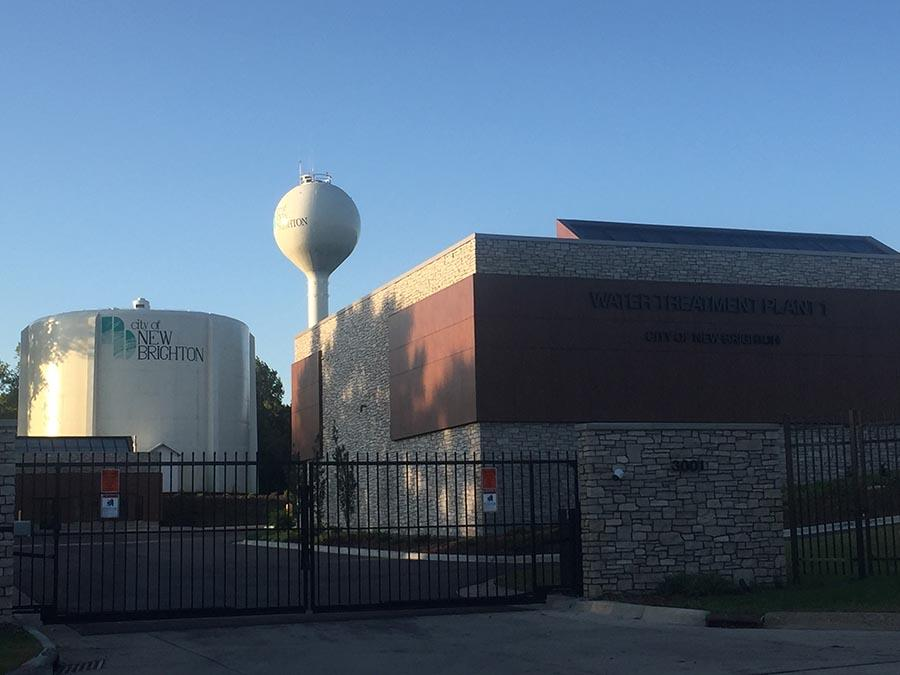
The attacks, which occurred over a two-day period, disrupted operational technology at several water utilities. Some communities temporarily experienced reduced water pressure or switched to manual operations while technicians restored affected systems. Authorities have stated there is no evidence that drinking water quality was compromised, but the incidents highlighted how cyber intrusions can interrupt essential public services even without causing physical damage.
Federal investigators say the attacks resemble techniques previously associated with Iranian-linked cyber groups, particularly those known for targeting programmable logic controllers (PLCs) used in industrial control systems. CISA had already warned earlier this year that Iranian-affiliated actors were actively probing critical infrastructure, including water and wastewater facilities, prompting utilities nationwide to strengthen cybersecurity measures.
Even so, experts stress that “resemble” does not necessarily mean “proven.” Attribution in cyberspace is one of the most technically challenging aspects of digital investigations. Sophisticated attackers often route operations through compromised computers around the world, recycle malware used by other groups, or intentionally imitate another nation’s tactics in an effort to mislead investigators. These so-called “false flag” operations can complicate efforts to determine who is actually responsible.
Because of these challenges, cybersecurity analysts typically rely on a combination of technical forensics, infrastructure analysis, malware signatures, intelligence collection, and behavioral patterns before assigning responsibility with high confidence. Public statements made early in an investigation often describe a suspected connection rather than a confirmed attribution.
That distinction has become particularly important in the Minnesota attacks. While multiple reports cite investigators who believe an Iranian connection is likely, officials have also acknowledged that the investigation remains ongoing and that a formal public attribution has not yet been announced.
Some cybersecurity specialists also note that attackers sometimes deliberately copy the methods of well-known state-sponsored hacking groups in hopes of directing blame elsewhere. If investigators relied only on malware code or a familiar attack pattern, they could potentially be misled. That is why attribution normally requires a broader body of evidence than a single technical indicator.
The investigation has also unfolded amid heightened geopolitical tensions between Washington and Tehran, adding another layer of public scrutiny. National security experts caution that geopolitical context can inform an investigation, but it does not replace technical evidence. Sound attribution depends on corroborated forensic findings rather than assumptions based solely on international events.
The recent attacks also underscore a broader reality: America’s water infrastructure has become an increasingly attractive target regardless of who is behind individual incidents. Many municipal utilities operate legacy industrial control systems that were designed decades ago with reliability, not cybersecurity, as the primary objective. Smaller utilities often lack dedicated cybersecurity staff or the resources needed to implement advanced defenses, making them attractive targets for both nation-state actors and criminal hackers.
Whether investigators ultimately conclude that the Minnesota attacks were conducted by Iranian-affiliated hackers, another nation-state, an independent cybercriminal group, or actors attempting to impersonate Iran, the case illustrates why digital forensics takes time. Accurate attribution is essential not only for holding the correct perpetrators accountable but also for avoiding diplomatic or policy decisions based on incomplete information.
For now, the evidence publicly available points investigators toward an Iranian-linked operation, but officials continue to characterize that assessment as part of an active investigation rather than a finalized determination. Until that process is complete, cybersecurity experts say it is prudent to distinguish between a likely attribution and a confirmed one.
—Adrian Mitchell, B1Daily






Leave a comment