—Barrington Williams, B1Daily
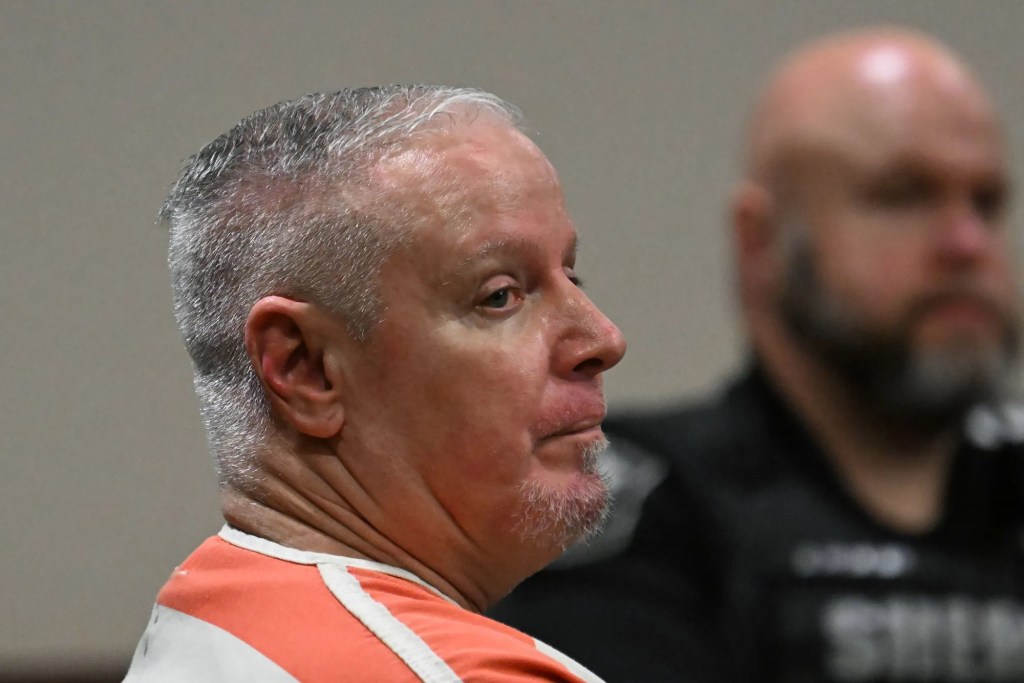
The sentencing of Colin Gray, the father of Apalachee High School shooter Colt Gray, represents a watershed moment in American criminal justice. On July 30, 2026, a Georgia judge sentenced Gray to 15 years in prison after he was convicted of second-degree murder, involuntary manslaughter, cruelty to children, and reckless conduct for his role in enabling the 2024 school shooting that claimed the lives of four people.
Unlike previous school shooting prosecutions that focused solely on the individual who pulled the trigger, this case centered on whether a parent’s decisions directly contributed to the tragedy.
Prosecutors successfully argued that Colin Gray knowingly provided his son with the rifle used in the attack despite multiple warning signs, including his son’s deteriorating mental health, fascination with mass shootings, and prior interactions with law enforcement regarding violent threats.
The judge ultimately imposed a 15-year prison sentence, rejecting prosecutors’ request for a substantially longer term while emphasizing that Gray’s negligence was a direct contributing factor to the murders, even though he did not personally commit the shootings.
A New Era of Parental Accountability
For decades, parents of school shooters were rarely charged with crimes unless they actively participated in the attack. The legal landscape began shifting in 2024 when Jennifer Crumbley and James Crumbley were convicted of involuntary manslaughter after their son carried out the 2021 shooting at Oxford High School in Michigan.
The Georgia case, however, went further.
Instead of relying solely on involuntary manslaughter, Georgia prosecutors secured convictions that included second-degree murder under Georgia law. Legal analysts say this significantly expands the circumstances under which parents can face criminal punishment when they ignore obvious warning signs and allow dangerous minors access to firearms.
Why This Case Is Different
According to evidence presented during the trial, prosecutors argued that Colin Gray:
- Purchased the AR-style rifle used in the attack.
- Allowed his teenage son continued access to firearms.
- Was aware of disturbing behavioral warning signs.
- Failed to adequately secure the weapons.
- Failed to obtain meaningful intervention despite evidence that his son was struggling.
The jury concluded that these actions rose above poor parenting and amounted to criminal negligence that helped make the massacre possible.
The Precedent Going Forward
While every criminal case depends on the laws of its particular state, the Georgia conviction sends a powerful message to prosecutors nationwide.
Parents may now face greater legal exposure if investigators can prove they:
- Know their child has made credible violent threats.
- Ignore clear evidence of dangerous behavior.
- Provide or permit access to firearms despite obvious risks.
- Fail to secure weapons from minors.
- Disregard documented mental health concerns when combined with access to deadly weapons.
Legal experts caution that this does not mean parents will automatically be criminally liable whenever a child commits a violent act. Prosecutors still must prove each element of the charged offenses under state law, including the required mental state and causal connection between the parent’s conduct and the crime. The Georgia case instead illustrates that, in some circumstances, parental conduct can satisfy those legal standards.
Could More Parents Be Charged?
The answer appears to be yes.
The Georgia case follows the Michigan prosecutions and comes as prosecutors in other states have pursued charges against parents accused of allowing children access to firearms used in school shootings. Each case turns on its own facts and state statutes, but the trend suggests increased scrutiny of parental decisions surrounding firearm access and known warning signs.
Whether this develops into a lasting national legal trend remains to be seen. Future appellate decisions and prosecutions will shape how broadly these theories of liability are applied. Even so, the sentencing of Colin Gray has already become one of the most closely watched examples of parental accountability in the aftermath of a school shooting.
For families, gun owners, educators, and prosecutors alike, the message is increasingly clear: when a parent knowingly ignores serious warning signs and enables access to deadly weapons, the legal consequences may extend far beyond the person who ultimately commits the violence.
—Barrington Williams, B1Daily






Leave a comment