
—Michael Lyles, B1Daily
For too long, Africa has exported enormous quantities of gold, bauxite, diamonds, cobalt, lithium, copper, and other valuable minerals to the rest of the world. Too often, however, the continent has exported them in raw form, allowing foreign refineries and manufacturers to capture the highest-value stages of production.
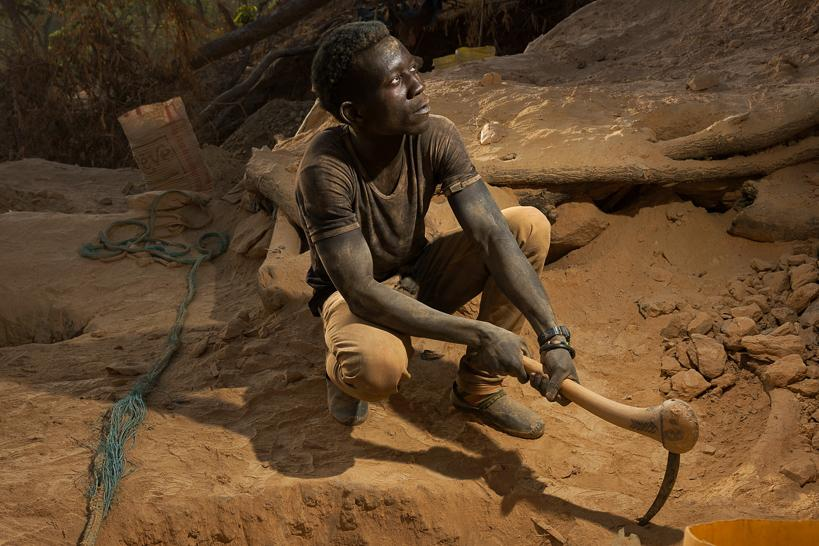
Guinea’s recent decision to suspend or restrict the export of unrefined gold by certain operators marks another step in a growing movement among African nations to keep more of the value created by their natural resources within their own borders.
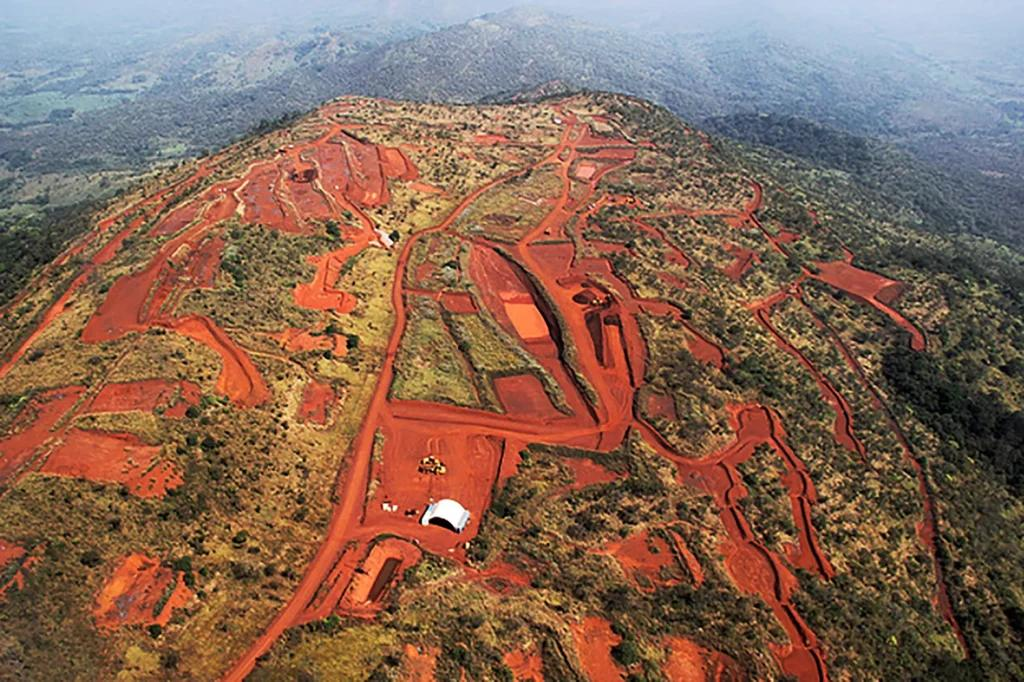
Guinea is one of Africa’s richest countries in mineral wealth. While it is best known for possessing some of the world’s largest reserves of bauxite, the country also produces significant quantities of gold.
Officials have argued that refining more of those resources domestically could increase government revenue, create skilled jobs, improve tax collection, and strengthen Guinea’s industrial base. Rather than exporting raw materials and importing finished products at much higher prices, policymakers want more of the value chain to remain inside the country.
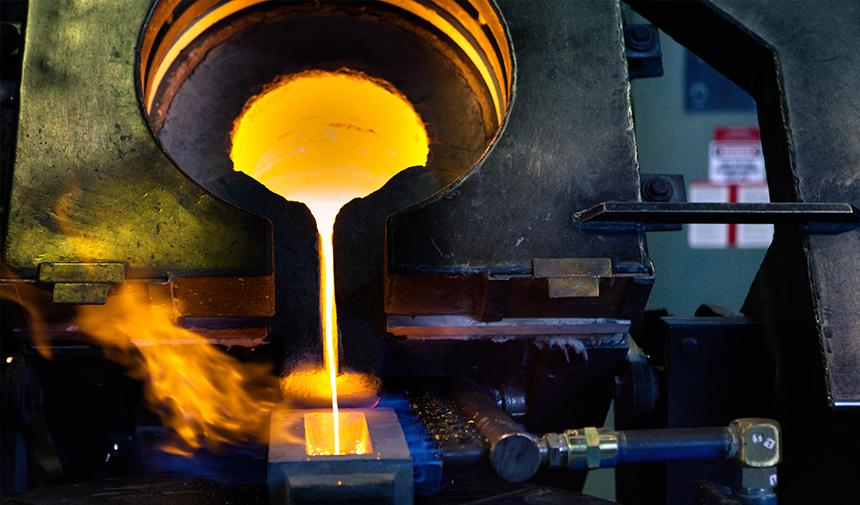
That strategy reflects a broader trend across Africa. Countries including Zimbabwe, Tanzania, Indonesia (outside Africa), and others have adopted policies encouraging or requiring local processing of certain minerals before export. The goal is straightforward: instead of selling raw commodities at relatively low prices, nations hope to profit from refining, manufacturing, and adding value before products reach international markets.
The financial logic is compelling. When gold leaves a country as unrefined ore or doré bars, much of the profit from refining, certification, fabrication, and downstream manufacturing is earned elsewhere. Those activities generate high-paying technical jobs, investment in industrial infrastructure, and additional tax revenue. By building domestic refineries and supporting related industries, African governments hope to capture a larger share of the economic benefits generated by their natural resources.
Local refining can also strengthen financial sovereignty. Gold refined and certified domestically can support national reserves, improve transparency in production, reduce illegal smuggling, and make it easier for governments to collect royalties and taxes. In countries where informal mining is widespread, processing minerals through licensed domestic facilities may help reduce revenue losses associated with illicit exports.
For Guinea, the policy is also about economic diversification. Mining already plays a major role in the country’s economy, but relying solely on raw commodity exports leaves governments vulnerable to swings in global prices. Developing refining capacity, engineering services, transportation networks, and manufacturing industries could create additional sources of long-term economic growth while expanding opportunities for skilled workers.
Supporters of local refining argue that Africa has spent decades exporting wealth while importing finished products made from its own resources. Gold extracted from African mines may ultimately return to the continent as expensive jewelry, industrial components, or investment products after foreign companies have captured much of the value added during processing. They contend that increasing domestic refining is one way to reverse that pattern and promote greater economic self-sufficiency.
There are, however, important challenges. Building modern refineries requires substantial investment, reliable electricity, transportation infrastructure, technical expertise, environmental safeguards, and strong regulatory oversight. If those conditions are not in place, export restrictions can discourage investment, reduce production, or encourage smuggling into neighboring countries. Investors also seek predictable regulations, making policy stability essential for attracting long-term capital.
Another challenge is competition. Established refining centers in countries such as Switzerland, the United Arab Emirates, India, and China benefit from decades of experience, advanced technology, and extensive global trading networks. African refineries will need to meet international quality standards while remaining competitive in pricing and efficiency.
Even so, many economists argue that the long-term objective is sound. Countries rich in natural resources often generate greater prosperity when they move beyond extraction and participate in higher-value stages of production. Processing minerals domestically can create industrial clusters that support manufacturing, logistics, engineering, finance, and research, multiplying the economic benefits far beyond the mine itself.
Guinea’s approach will likely be watched closely across Africa. If successful, it could encourage more governments to invest in domestic refining industries and seek a larger share of the profits generated by their own natural resources. If the policy struggles because of infrastructure constraints or declining investment, it may serve as a cautionary example of the difficulties involved in transforming resource wealth into industrial development.
What is clear is that Africa’s conversation about minerals is changing. Increasingly, the debate is no longer centered on how much gold, copper, cobalt, or lithium can be exported. It is about how much value can be created before those resources ever leave the continent.
—Michael Lyles, B1Daily





Leave a comment