
—Kerry Hill, B1Daily
When a police shooting or use-of-force incident captures national attention, one question almost always follows within hours: Where is the body camera footage?
Days turn into weeks. Weeks become months. Families wait. Communities speculate. Social media fills the information vacuum with competing narratives, edited clips, rumors, and conspiracy theories. By the time official footage is finally released, public trust has often eroded beyond repair.
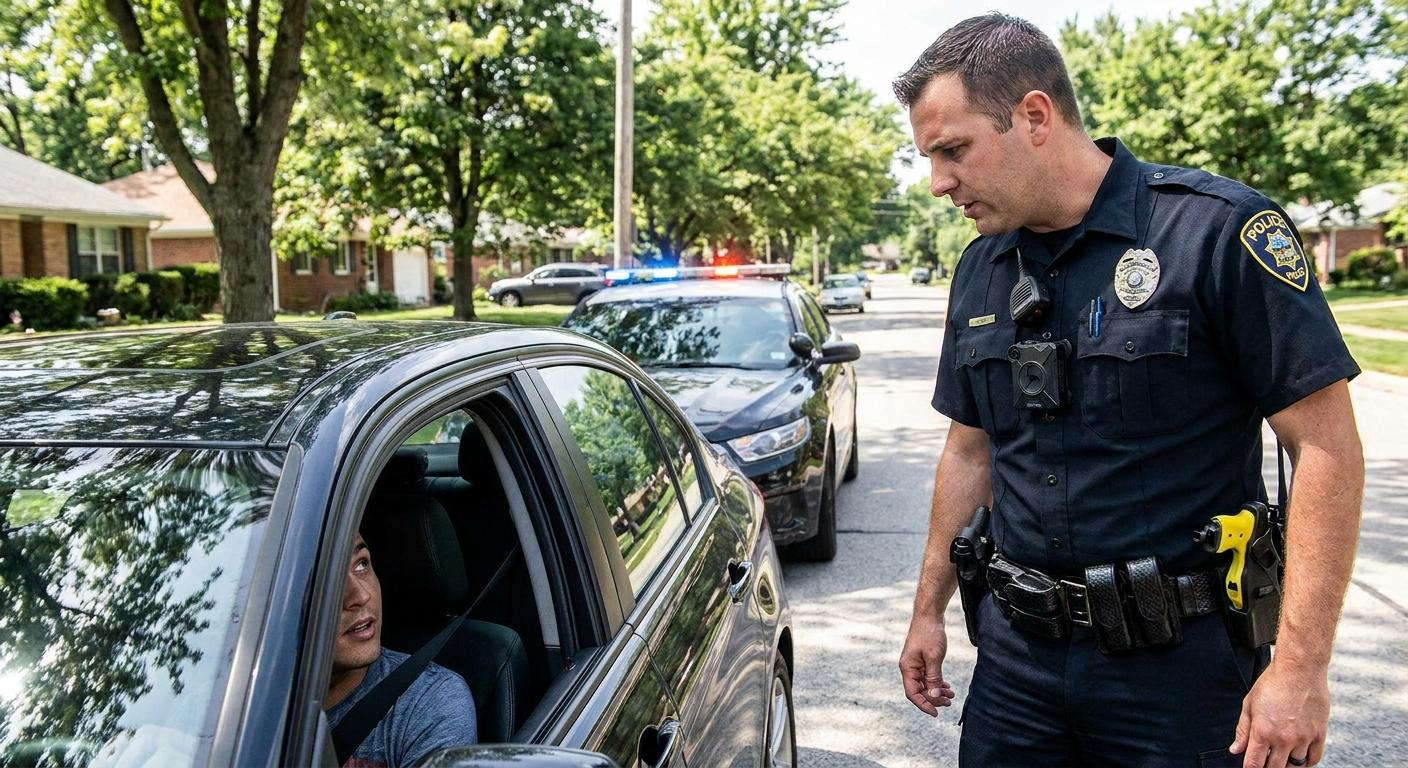
America has invested billions of dollars equipping police officers with body cameras under the promise that greater transparency would strengthen accountability. Yet in many jurisdictions, that promise remains only partially fulfilled. A camera that records an encounter but whose footage is withheld indefinitely does little to reassure grieving families or skeptical communities.
If body cameras exist to increase public confidence, then excessive delays in releasing footage undermine one of their central purposes.
Transparency Should Not Be an Afterthought
Body cameras were widely promoted as a breakthrough in police accountability. The public was told these devices would provide objective evidence, reduce false allegations, protect officers from unfounded accusations, and document encounters that might otherwise depend solely on conflicting testimony.
Those goals remain worthwhile.
But transparency loses much of its value when critical evidence remains locked away while officials control the public narrative.
Communities should not have to wait months simply to see what their own tax dollars paid to record.
Delays Create an Information Vacuum
Every day footage remains unreleased, speculation grows.
Witness accounts circulate.
Unofficial videos emerge.
Social media influencers offer theories.
Political activists fill the silence.
By the time authorities release official footage, millions of people may already have formed conclusions based on incomplete information.
This dynamic benefits no one.
If the footage supports the officers’ actions, prompt disclosure can correct misinformation before it spreads further.
If the footage reveals misconduct, early transparency allows agencies to acknowledge mistakes, begin accountability processes, and demonstrate that no one is above the law.
Either way, timely disclosure promotes informed public discussion.
Families Deserve Answers Before the Headlines Move On
Perhaps the greatest injustice falls on the families.
Parents, children spouses, siblings.
They are often left waiting while agencies cite ongoing investigations without providing meaningful updates.
Whether an incident ultimately proves legally justified or unlawful, families deserve prompt information about what happened to their loved ones.
Transparency should not depend on media pressure or public demonstrations.
It should be part of a consistent process applied regardless of the officer involved or the community affected.
Legitimate Investigative Needs Exist
Calls for faster release should not ignore legitimate concerns.
Investigators may need time to interview witnesses before widespread publication of video.
Footage may contain graphic images, sensitive medical information, or identifying details involving minors or uninvolved individuals.
These concerns are real.
They deserve thoughtful consideration.
However, protecting an investigation should not become a blanket justification for months of secrecy without explanation.
Many states already balance these competing interests through redactions, limited delays, or judicial review.
The challenge is finding policies that preserve investigative integrity while respecting the public’s interest in transparency.
Uniform Standards Could Improve Public Confidence
One reason controversy persists is the lack of consistency.
Some departments release footage within days.
Others wait until criminal investigations conclude.
Some publish videos only after court orders or public records litigation.
The result is a patchwork system that varies dramatically depending on where an incident occurs.
States could establish clearer standards specifying when footage should generally be released, while recognizing limited exceptions for compelling investigative or privacy reasons.
Predictable rules would benefit both law enforcement and the communities they serve.
Transparency Protects Officers Too
This debate is often framed as police versus the public.
That is a false choice.
Prompt release of body camera footage can also protect officers from false accusations.
Videos have repeatedly demonstrated that early reports of critical incidents may omit important context.
When officers act lawfully, timely disclosure can prevent misinformation from damaging careers and public confidence.
Transparency is not anti-police.
It is pro-accountability.
It is also pro-facts.
Public Trust Cannot Thrive Behind Closed Doors
Trust is difficult to earn and remarkably easy to lose.
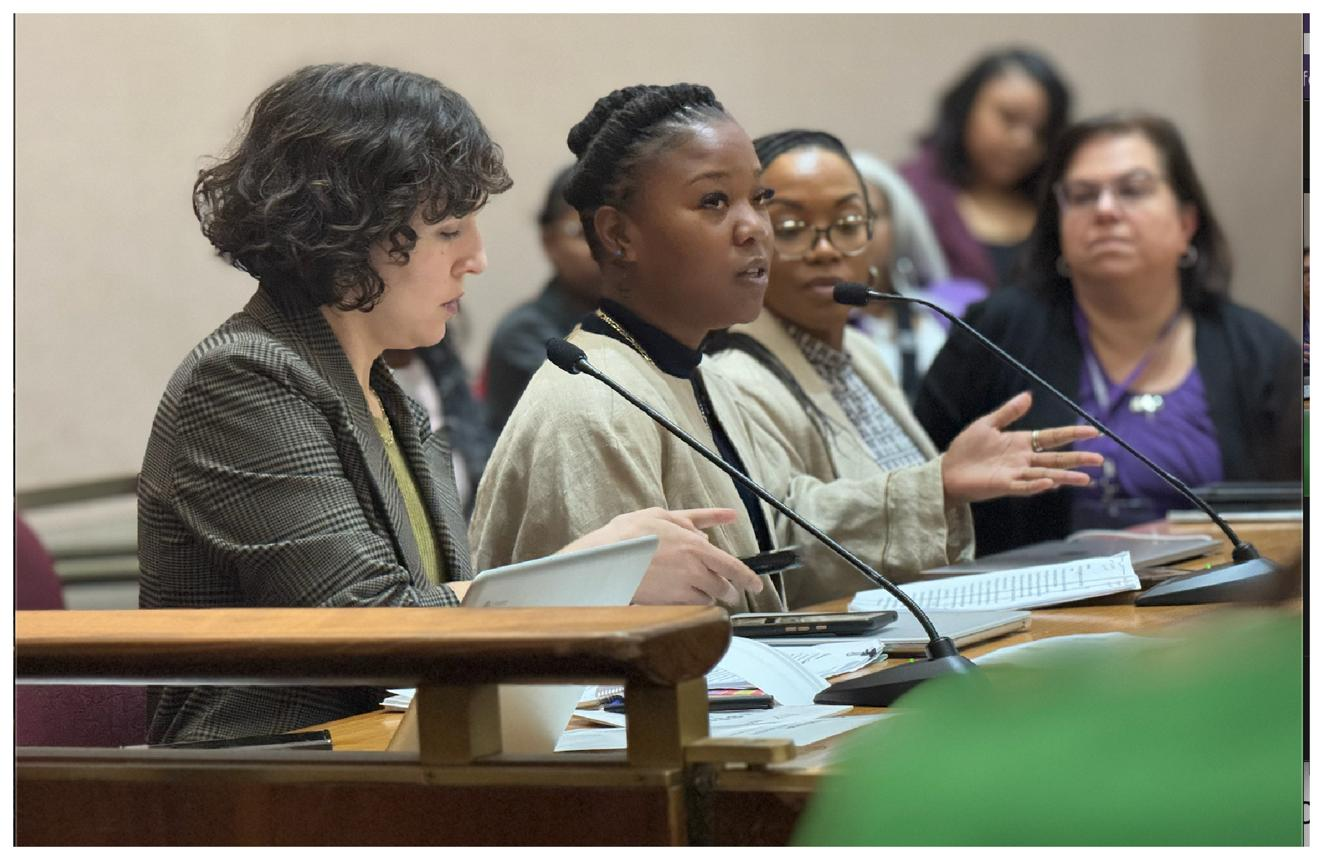
Communities are more likely to accept difficult conclusions, including findings that officers acted lawfully, when they believe investigations were conducted openly and evidence was shared promptly.
Conversely, prolonged secrecy often fuels suspicion regardless of what the footage ultimately shows.
That suspicion carries consequences extending far beyond a single case.
It influences future interactions between police and residents, jury pools, witness cooperation, and confidence in the justice system itself.
Cameras Alone Cannot Deliver Accountability
Body cameras were never meant to be decorative equipment clipped onto a uniform.
Their value depends on how the evidence they capture is handled.
Recording encounters without timely transparency risks transforming accountability into another bureaucratic promise.
States should carefully evaluate whether current disclosure policies adequately balance investigative needs, privacy interests, and the public’s legitimate expectation of transparency. Clear timelines, narrowly tailored exceptions, independent oversight where appropriate, and regular communication with affected families could help strengthen confidence in the process.
The debate is ultimately about more than video.
It is about whether the justice system believes transparency strengthens public trust or whether information should remain inaccessible until controversy subsides.
The answer to that question will shape confidence in American policing for years to come.
—Kerry Hill, B1Daily






Leave a comment