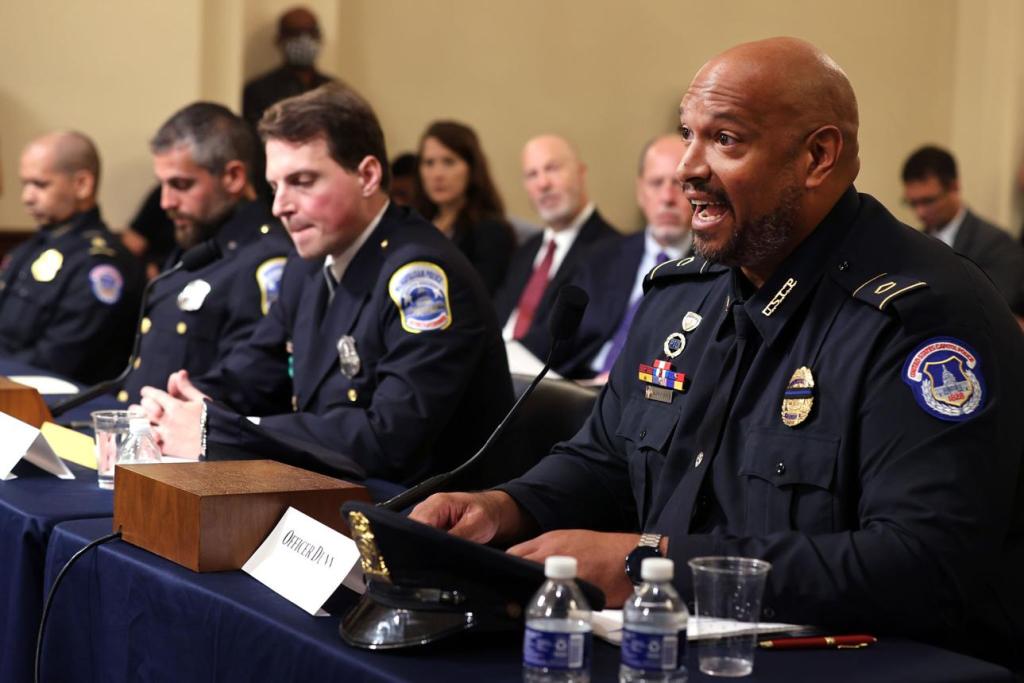
—Kerry Hill, B1Daily
The summer of 2020 marked one of the largest protest movements in American history. Following the murder of George Floyd by a Minneapolis police officer, millions of Americans took to the streets demanding sweeping changes to policing, accountability, and the criminal justice system. City councils pledged reform, corporations announced racial justice initiatives, and lawmakers at every level promised that policing in America would never be the same.
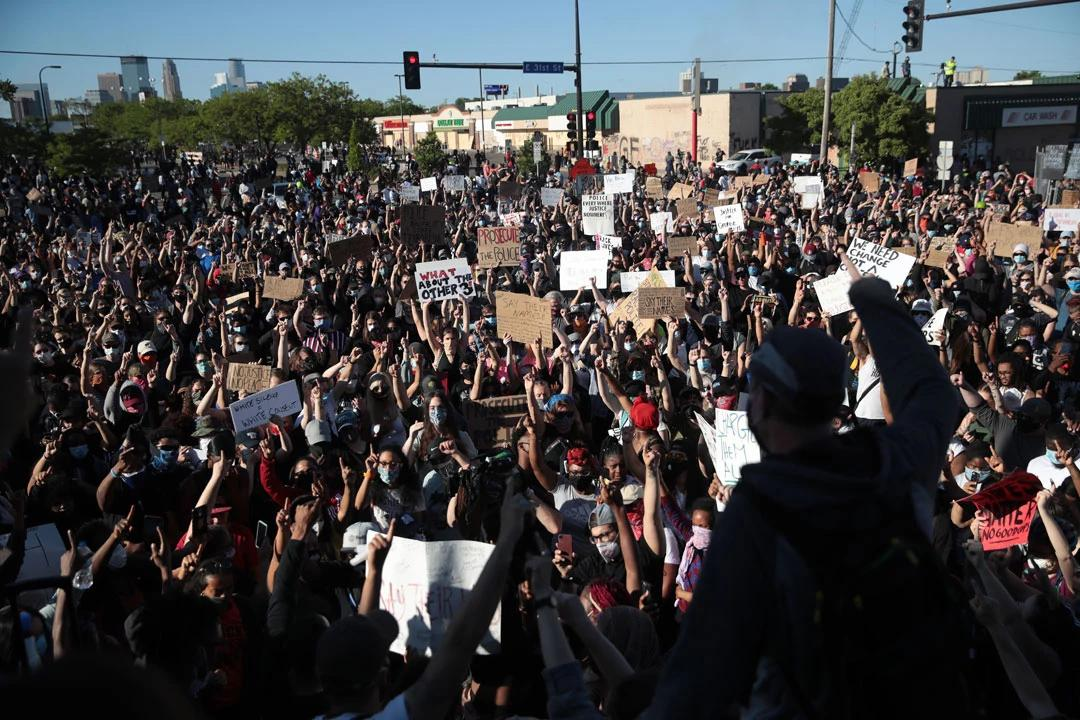
Six years later, the landscape looks far more complicated.
Some reforms have fundamentally changed how departments operate. Others have stalled in legislatures or been reversed amid concerns over rising crime, officer shortages, and public safety. While many Black communities acknowledge progress in certain areas, they also argue that the pace of reform has been uneven and that many of the structural problems exposed in 2020 remain unresolved.
As the nation enters another election cycle, police reform has become less about slogans and more about evaluating what has actually changed.
Body Cameras Are Now the Norm
One of the most visible changes since 2020 has been the expansion of body-worn cameras.
Many police departments that previously lacked comprehensive body camera programs now require officers to wear them during patrols. Departments have also adopted policies governing when cameras must be activated and how long footage must be retained.
Supporters argue that body cameras improve transparency, provide valuable evidence during investigations, and can protect both civilians and officers by documenting encounters.
Critics respond that cameras alone do not guarantee accountability if departments delay releasing footage, fail to enforce activation policies, or impose limited consequences for violations.
The debate has shifted from whether officers should wear cameras to how departments should manage the evidence those cameras produce.
Use-of-Force Policies Have Evolved
Following nationwide demonstrations, many agencies revised their use-of-force policies.
Several departments expanded de-escalation training, strengthened reporting requirements, and updated guidance regarding chokeholds, neck restraints, and the duty of officers to intervene when colleagues use excessive force.
Many law enforcement leaders argue these reforms have improved professionalism and reduced unnecessary confrontations.
Civil rights advocates counter that policy changes must be accompanied by consistent enforcement and independent oversight if they are to build lasting public trust.
Qualified Immunity Remains a Divisive Issue
One of the most contentious debates following 2020 centered on qualified immunity, the legal doctrine that can shield government officials, including police officers, from certain civil lawsuits.
Reform advocates argued that narrowing or eliminating qualified immunity would strengthen accountability for constitutional violations.
Police organizations maintained that officers need legal protections when making split-second decisions under dangerous circumstances.
While some states enacted changes affecting civil liability under state law, Congress has not adopted nationwide legislation eliminating qualified immunity.
The issue remains a focal point in broader discussions about police accountability.
Independent Investigations Have Expanded
Several states have moved responsibility for investigating police use-of-force incidents from local prosecutors to state attorneys general or independent investigative agencies.
Supporters argue that independent investigations reduce potential conflicts of interest and increase public confidence in the findings.
Opponents caution that creating new investigative structures can add complexity and delay without necessarily improving outcomes.
Nevertheless, independent review has become a more common feature of police oversight than it was prior to 2020.
Recruitment and Retention Challenges
Police departments across the country continue to report difficulties recruiting and retaining officers.
Law enforcement agencies cite retirements, resignations, heightened public scrutiny, and competition from private-sector careers as contributing factors.
Some officials argue that staffing shortages increase workloads, lengthen emergency response times, and reduce proactive policing.
Others contend that improving accountability and strengthening community trust are essential components of attracting a new generation of officers committed to professional policing.
The challenge for many departments has become balancing reform efforts with maintaining adequate staffing levels.
Community Trust Remains Uneven
While some cities report improved relationships between police and residents through community policing initiatives, others continue to experience deep mistrust following high-profile incidents.
Community advisory boards, youth engagement programs, neighborhood partnerships, and expanded officer training have become more common in many jurisdictions.
Yet trust remains difficult to rebuild after years of strained relationships.
For many Black Americans, confidence in law enforcement continues to depend less on policy announcements than on whether officers are consistently held accountable when misconduct occurs.
Crime and Reform Have Become Politically Linked
Since 2020, debates over police reform have increasingly intersected with concerns about violent crime.
Some elected officials argue that certain reform measures reduced proactive policing and contributed to staffing shortages that affected public safety.
Others dispute a direct causal relationship, pointing to the many social and economic factors that influence crime rates.
The resulting political debate has often presented policing and reform as competing priorities, even though many community leaders argue that effective policing and meaningful accountability should reinforce one another rather than exist in opposition.
Technology Is Changing Oversight
Modern policing increasingly relies on technology beyond body cameras.
Departments now use license plate readers, gunshot detection systems, drones, facial recognition tools in some jurisdictions, and artificial intelligence to assist investigations and allocate resources.
These technologies may improve investigative capabilities, but they have also prompted concerns about privacy, surveillance, data accuracy, and the potential for disparate impacts on communities.
Balancing innovation with civil liberties has become a growing challenge for policymakers.
The Road Ahead
Police reform is no longer defined solely by the demonstrations of 2020.
It has become an ongoing policy discussion involving legislatures, courts, police departments, civil rights organizations, and local communities.
Some Americans believe reforms have gone too far and risk weakening public safety.
Others argue that meaningful accountability remains incomplete and that many of the systemic issues highlighted in 2020 have yet to be fully addressed.
The next phase of police reform will likely focus less on broad national movements and more on measurable outcomes: reductions in excessive force complaints, improvements in public trust, transparent investigations, officer recruitment, constitutional policing, and safer communities.
Whether viewed as unfinished business or a process already well underway, police reform remains one of the defining public policy debates of modern America. Its success will ultimately be measured not by campaign promises or political rhetoric, but by whether communities and law enforcement alike believe the system is both effective and accountable.
—Kerry Hill, B1Daily






Leave a comment