—Kerry Hill, B1Daily
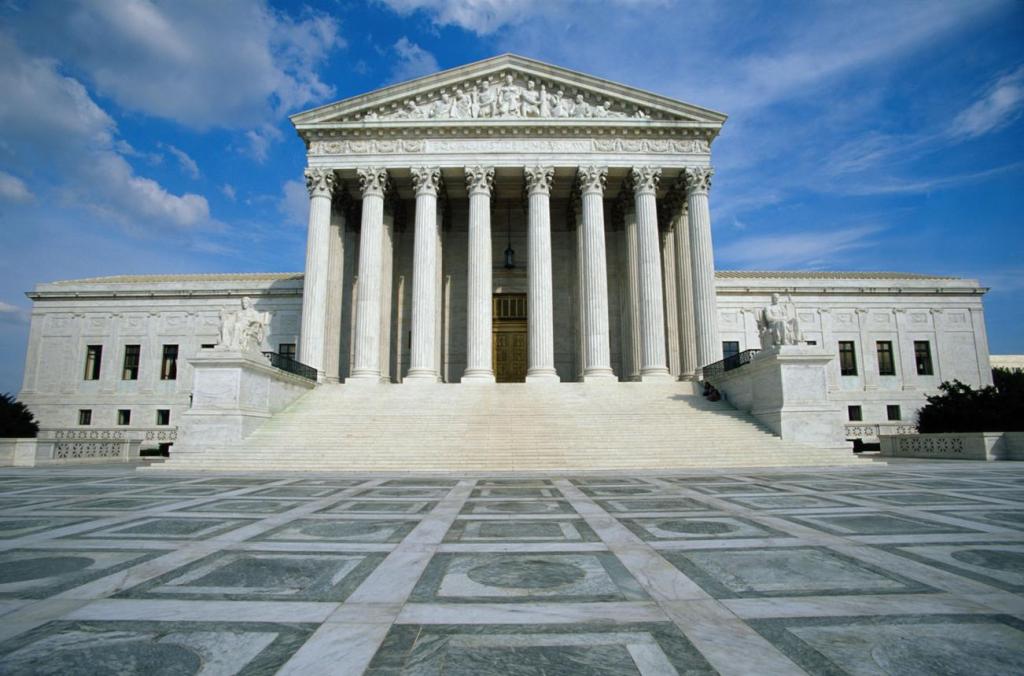
Election Day may decide who holds office, but many of the battles over Black political power are fought months or even years earlier inside courtrooms. Across the United States, judges are increasingly deciding disputes over congressional maps, legislative districts, voter access laws, and election procedures that can determine whether Black communities have an equal opportunity to elect candidates of their choice.
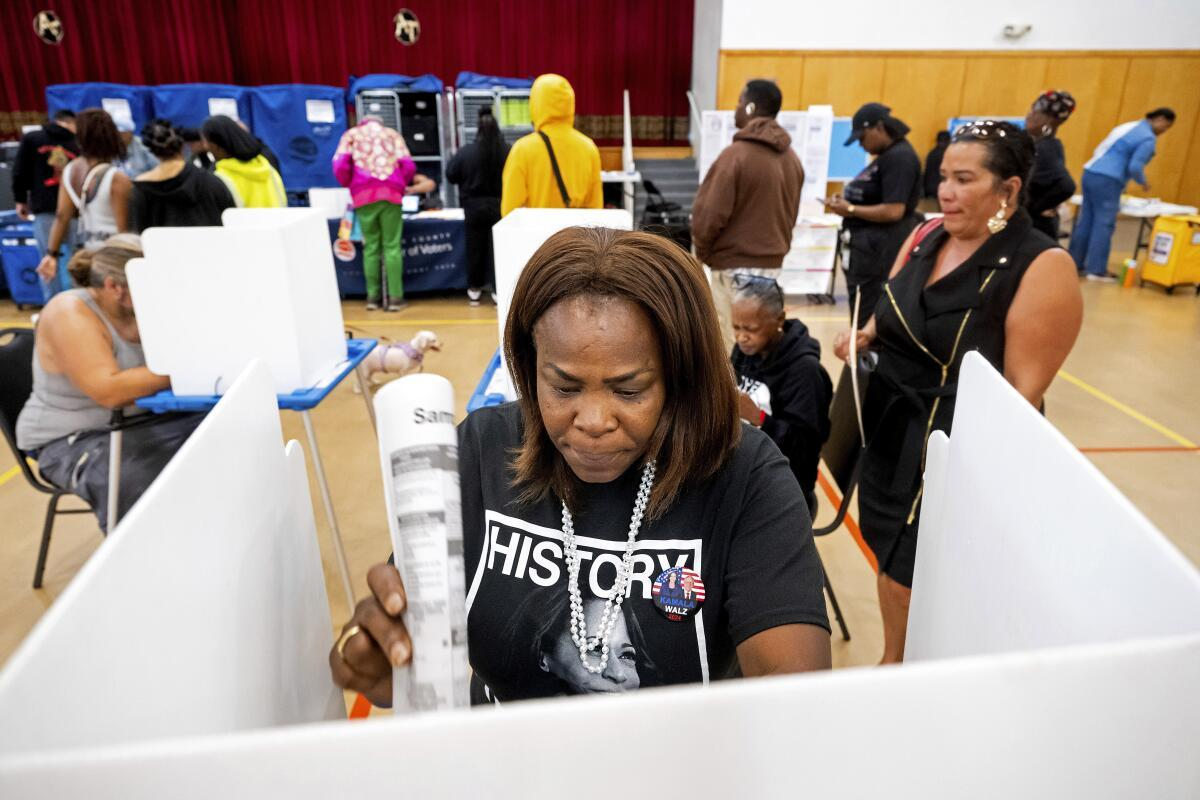
As the 2026 election cycle unfolds, voting rights litigation has become one of the most consequential forces shaping Black political representation. Supporters of these lawsuits argue they are essential for enforcing constitutional protections and the Voting Rights Act, while critics contend that courts have become too involved in what they view as inherently political decisions about elections and redistricting.
The outcome of these legal battles often affects far more than a single election. Court rulings can reshape legislative maps, alter election procedures, and influence political representation for years to come.
The Voting Rights Act Remains Central
The Voting Rights Act of 1965 remains one of the most significant civil rights laws in American history. Among its provisions, Section 2 prohibits voting practices that discriminate on the basis of race. Lawsuits under Section 2 frequently challenge electoral systems or district maps that plaintiffs argue dilute the voting strength of minority communities.
Since key portions of the Act’s federal preclearance framework were invalidated by the Supreme Court in 2013, many disputes that once would have been reviewed before taking effect are now addressed through litigation after challenged laws or maps are enacted.
As a result, federal courts have become the primary arena for resolving many voting rights disputes.
Redistricting Has Become the Front Line
Every ten years, states redraw congressional and legislative districts following the national census.
The process is intended to reflect population changes, but it has also become one of the most heavily litigated aspects of American politics.
Voting rights organizations have challenged district maps in several states, arguing that Black voters were either divided among multiple districts or concentrated into a small number of districts in ways that weakened their overall electoral influence. Defendants in these cases often respond that their maps comply with constitutional and statutory requirements and reflect legitimate redistricting principles rather than racial discrimination.
When courts conclude that a map violates federal law, states may be required to redraw districts before upcoming elections.
Why Representation Matters
Supporters of robust voting rights enforcement argue that fair representation influences more than election outcomes.
Legislatures determine funding for public education, transportation, healthcare, economic development, public safety, and countless other issues affecting everyday life.
When communities believe their voting strength has been diluted, many argue their ability to influence those policy decisions is diminished as well.
Critics, however, caution against drawing districts primarily on the basis of race, arguing that doing so can create constitutional concerns and reinforce racial divisions within the political process.
These competing principles frequently place courts in the position of balancing equal voting opportunity with constitutional limits on the use of race in redistricting.
The Growing Importance of State Courts
While federal courts often receive the most public attention, state supreme courts have also become major players in voting rights litigation.
Many state constitutions include protections for free elections, equal protection, or voting rights that differ from federal law.
Consequently, challenges to election laws and district maps increasingly proceed in both state and federal court systems, sometimes producing different legal outcomes depending on the claims involved.
This dual-track litigation has made voting rights cases more complex and more influential than ever before.
Technology Is Changing Election Litigation
Advances in geographic information systems, demographic analysis, and statistical modeling have transformed modern voting rights litigation.
Experts now analyze detailed census data, voting patterns, and electoral history to evaluate how district boundaries may affect different communities.
Supporters argue these tools provide courts with stronger empirical evidence when evaluating discrimination claims.
Critics caution that predictive modeling has limitations and should not replace broader legal and constitutional analysis.
Regardless of perspective, technology now plays a central role in how these cases are litigated.
Black Political Representation Continues to Evolve
Black political representation has grown substantially since passage of the Voting Rights Act, with Black Americans serving in Congress, state legislatures, mayoral offices, and numerous local governments across the country.
At the same time, debates continue over whether existing election systems provide equal opportunities for minority communities to elect preferred candidates.
Some advocates argue that additional legal protections remain necessary because racial disparities in political influence persist.
Others contend that representation should be pursued through race-neutral election policies that treat all voters equally under the law.
These differing perspectives ensure that voting rights litigation remains one of the most contested areas of constitutional law.
The Future Will Likely Be Decided in Court
As new election laws are enacted and future redistricting disputes emerge, litigation will likely continue to shape the nation’s political landscape.
The central questions remain largely unchanged: How should equal voting opportunity be measured? When does a district map unlawfully dilute minority voting strength? What role should race play in protecting voting rights while remaining consistent with constitutional principles?
The answers will not come solely from legislatures or election officials.
Increasingly, they will come from judges interpreting decades of civil rights legislation, constitutional doctrine, and evolving election law.
For Black political representation, those judicial decisions will continue to influence not only who appears on the ballot but also whether communities believe their voices carry equal weight in American democracy.
—Kerry Hill, B1Daily




Leave a comment