—Matt Gwinta, B1Daily
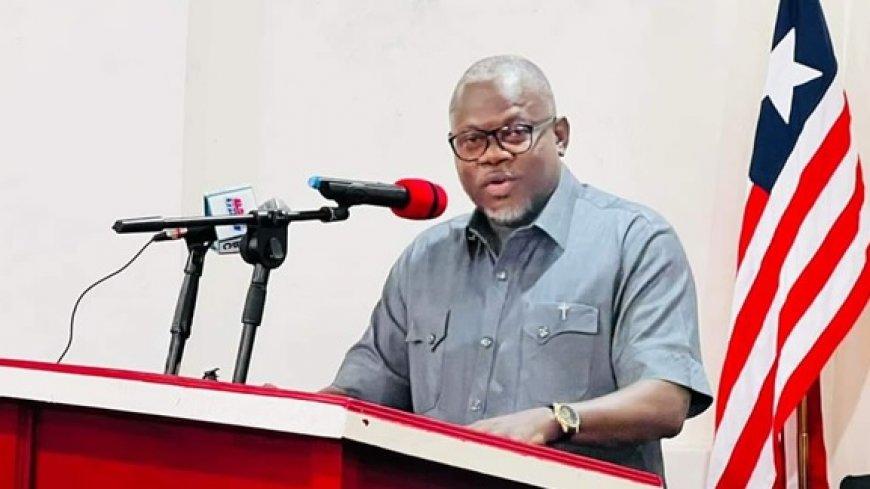
Liberia has agreed to receive as many as 1,200 people removed from the United States who are not Liberian citizens, placing the West African country at the center of the Trump administration’s expanding use of third countries as destinations for deportees.
According to the Liberian government, the agreement involves third-country nationals from other African and Western nations. Liberia’s Information Minister Jerolinmek Piah said the arrangement follows an exchange of notes signed between Liberia and the United States last year. The first group of 20 people is scheduled to arrive in Liberia on August 20.
Importantly, Liberia’s government stressed that the people being transferred are not being characterized as criminals and are not being prosecuted under either U.S. or Liberian law. That distinction is important because deportation or removal from the United States does not by itself establish that someone committed a crime.
The agreement represents one of the larger third-country removal arrangements reached by the United States as President Donald Trump’s administration continues pursuing a tougher immigration enforcement strategy. Rather than returning every deportee directly to his or her country of citizenship, third-country arrangements provide the U.S. government with additional destinations for certain people it seeks to remove.
For Liberia, however, accepting potentially 1,200 foreign nationals raises important questions. The government will have to explain how the arrivals will be housed, supported and integrated, what legal status they will possess in Liberia, and what financial or diplomatic commitments the United States has made in connection with the arrangement.
The deal could also become politically sensitive because earlier reports that African governments might receive U.S. deportees had already generated public concern in Liberia. AllAfrica notes that the Liberian government previously said no formal request had been made amid reports surrounding discussions between the Trump administration and African leaders.
Liberia and the United States have unusually deep historical ties, but accepting people deported from America who are citizens of neither country takes that relationship into complicated territory. As the first arrivals land, attention will likely shift from the agreement itself toward a much larger question: what exactly does Liberia receive in exchange for accepting responsibility for people the United States wants removed?
—Matt Gwinta, B1Daily




Leave a comment