—Michael Lyles, B1Daily
Nigeria is Africa’s most populous country, a major oil producer and home to some of the continent’s richest people. Yet beneath that enormous economic potential sits a brutal contradiction: extraordinary private wealth exists alongside widespread poverty and collapsing household purchasing power.
The World Bank estimates that more than 60% of Nigerians lived below the country’s national poverty line in 2025, while poor households can spend as much as 70% of their income simply feeding themselves. Another World Bank measure found extreme poverty rose from 34.7% in 2018-19 to 41.8% in 2022-23.

At the opposite end of the economy sits astonishing wealth.
Oxfam reported in January 2026 that the wealth of African billionaires increased 36.5% during 2025, while Nigerian industrialist Aliko Dangote’s fortune had reached approximately $24.8 billion. Oxfam argues that Nigeria’s concentration of wealth reflects deeper structural problems involving taxation, monopoly power and access to political and economic influence.
Lagos Can Look Like Two Different Countries
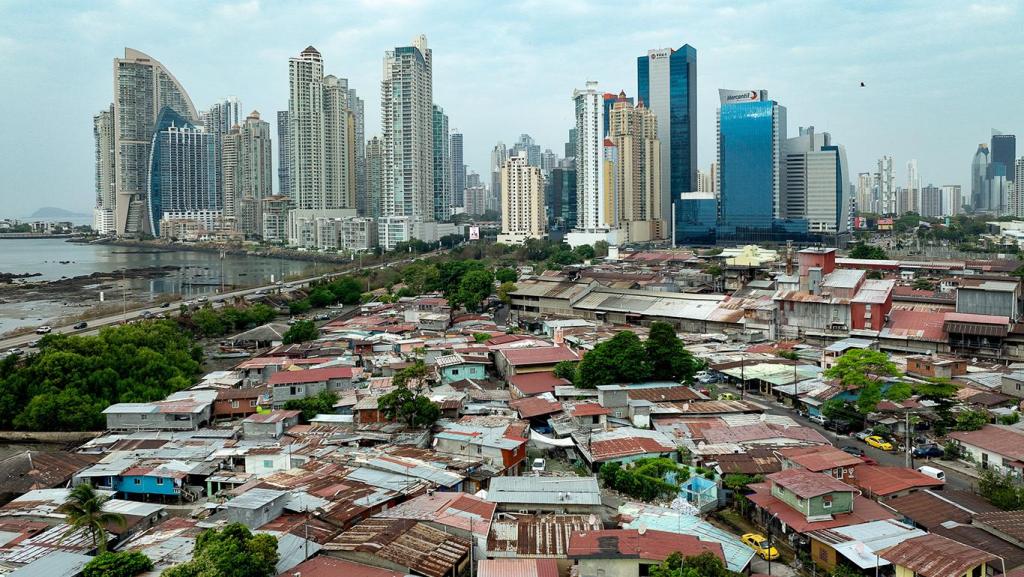
Few places visualize the divide better than Lagos.
Luxury towers, expensive automobiles and enormous private developments exist within the same metropolis as sprawling informal settlements where reliable electricity, sanitation and secure housing can remain difficult to obtain.

But Nigeria’s inequality isn’t simply rich versus poor. Geography matters enormously.
The World Bank found a 57.4% poverty rate in northern Nigeria in 2022-23, compared with 21.2% in the south. That means where a Nigerian is born can dramatically influence the economic opportunities available to them.
Nigeria has recently made genuine macroeconomic progress. The World Bank says inflation has eased, government revenues have improved and economic growth has remained relatively robust. The problem is that these improvements have not yet translated into a comparable recovery in household incomes, while poverty remains extremely high.
That should be Nigeria’s economic alarm bell.

A country can produce billionaires, luxury developments and impressive GDP figures while millions of ordinary people experience an entirely different economy.
Economic growth matters. Investment matters. Successful Nigerian businesses should be able to prosper. But a healthy economy cannot be measured solely by the fortunes created at its summit.
Nigeria’s larger challenge is ensuring that its tremendous wealth-generating potential creates jobs, education, infrastructure, affordable food and upward mobility beyond the small portion of society already positioned to capture it.
Otherwise, Nigeria risks becoming extraordinarily good at creating wealth without becoming equally good at spreading opportunity.
—Michael Lyles, B1Daily



 B1Daily
Leave a comment