—Terrence Dorner, B1Daily
The Second Amendment was written in 1791, but the weapons Americans possess have never remained frozen in 1791. That raises a distinctly 21st-century constitutional question: If technology evolves, shouldn’t the meaning of “arms” be capable of evolving with it?
The Supreme Court has already rejected the basic argument that the Second Amendment protects only weapons that existed when the Constitution was written. In District of Columbia v. Heller, the Court said the amendment extends, at least initially, to modern instruments that constitute “bearable arms.” The Court has also recognized modern weapons such as stun guns as potentially falling within the amendment’s scope.
That makes drones an intriguing frontier.
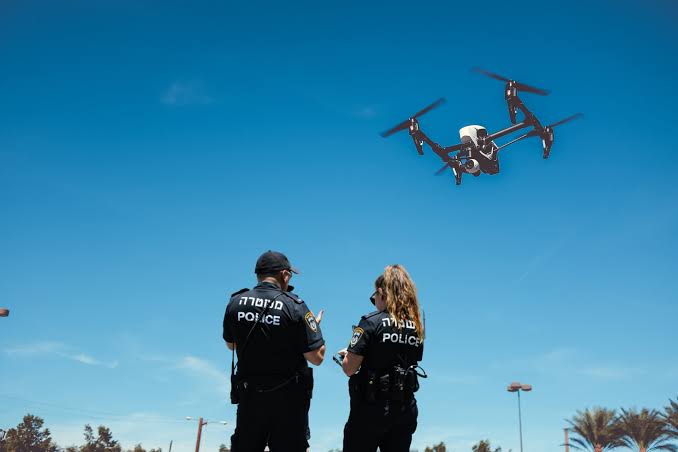
Civilian drones are normally cameras, aircraft and recreational tools, not weapons. An armed drone, however, combines a weapon with remote technology. If firearms can evolve from muskets into modern handguns and rifles while retaining constitutional protection, advocates could argue that remotely operated defensive technology deserves consideration too.
But that argument runs directly into the limits of Second Amendment doctrine. Heller emphasized that the right is not unlimited and discussed restrictions involving “dangerous and unusual” weapons. Congress has also previously confronted the public-safety implications of privately weaponized drones, including concerns about their use in American airspace.
So perhaps the real debate isn’t simply “Are drones protected?” It is what characteristics turn a new technology into constitutionally protected “arms,” and what regulations remain permissible once that happens?
A technologically progressive interpretation of the Second Amendment would force courts to wrestle with precisely that question. Constitutional rights already operate in worlds their authors never personally encountered. The First Amendment protects communication over the internet. The Fourth Amendment confronts digital surveillance. The Second Amendment increasingly faces its own technological test.
If constitutional rights survive technological change, the debate over the Second Amendment may eventually have to move beyond the gun.
—Terrence Dorner, B1Daily





Leave a comment