—Barrington Williams, B1Daily
There is a disturbing question hanging over American politics: Why haven’t the recent suspicious hanging deaths of Black Americans triggered a much louder response from national Democratic leaders?
The word lynching carries enormous historical and legal weight, and it should not be applied to an individual death before evidence establishes that a homicide motivated by racial terror occurred. But when Black Americans are found hanging under circumstances that families, attorneys, or activists question, America’s history makes rigorous investigation and transparency essential.
And yet much of Washington seems remarkably quiet.
Some Democrats Have Spoken Up, But Where Is the Broader Outcry?
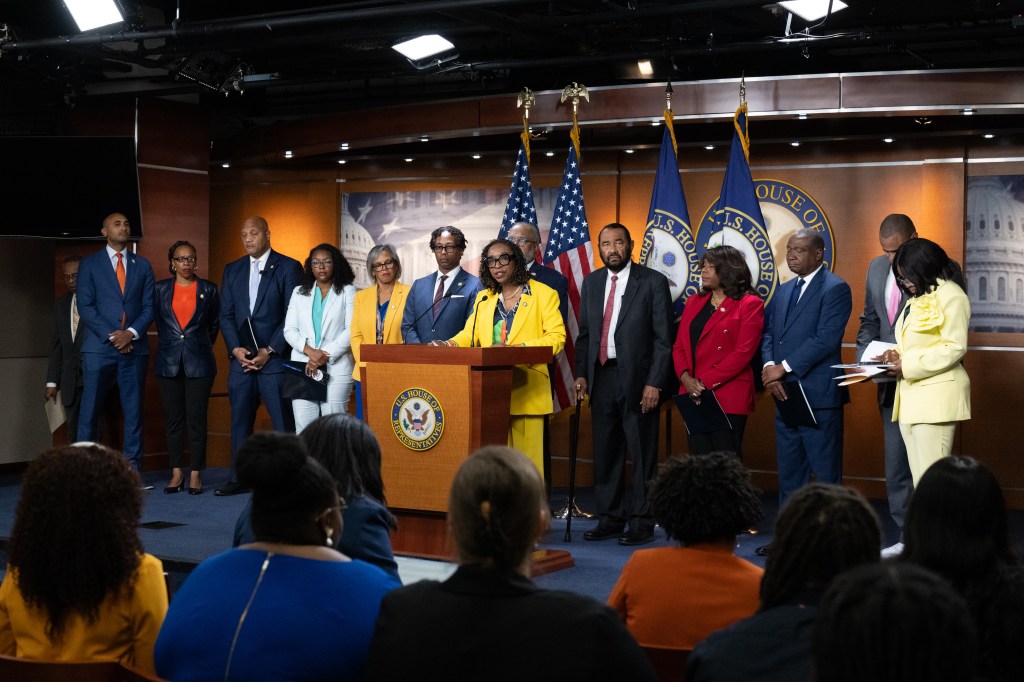
It would be inaccurate to say Democrats have been completely silent. Rep. Ayanna Pressley and dozens of other members of Congress have demanded federal investigations into hanging deaths involving Black Americans.
That matters. But a congressional letter should be the beginning of political scrutiny, not the finale.
Where are the sustained congressional hearings? Where is the constant pressure for investigative transparency? Where are the nationally televised demands for answers from federal law-enforcement officials?
Democrats routinely emphasize their commitment to Black voters, civil rights and racial justice. Those promises create an obvious expectation: when Black families believe suspicious deaths have not been adequately investigated, their concerns should command serious political attention.
America’s History Makes Silence Dangerous
Nobody should declare a death a lynching merely because the victim was Black and found hanging. Evidence matters.
But history matters too.
America spent generations allowing racial terror killings to occur while authorities sometimes failed to investigate them adequately, declined to prosecute perpetrators, or simply looked away. That history is precisely why suspicious deaths involving circumstances historically associated with lynching deserve exceptional investigative care.
The answer isn’t conspiracy theories.
The answer is aggressive investigation, independent review and public transparency.
If authorities determine that a death was suicide or otherwise noncriminal, release enough evidence to explain that conclusion. If unanswered questions remain, investigate them. And if evidence indicates criminal activity, follow that evidence wherever it leads.
Black families should not have to become amateur detectives simply to feel confident that the death of their loved one was taken seriously.
Black Voters Shouldn’t Have to Beg for Attention
This is where Democrats face an uncomfortable political contradiction.
Black Americans remain an important Democratic constituency, yet issues involving Black communities can sometimes struggle to receive sustained national attention once the headlines fade.
Sending a letter is meaningful. Holding a press conference is meaningful. But accountability requires persistence.
If lawmakers believe these deaths warrant federal scrutiny, then keep asking questions until those questions are answered. Demand updates. Hold hearings where appropriate. Push for consistent investigative standards. Ask whether federal civil-rights resources are sufficient. Make certain grieving families know their government is actually listening.
That isn’t prejudging an investigation.
That’s oversight.
The Standard Should Be Simple: Give Black Families the Truth
America does not need politicians announcing verdicts before investigators establish the facts. It needs politicians willing to make certain that the facts are actually uncovered.
Every suspicious death will not turn out to be a lynching. Some may ultimately have explanations completely unrelated to racial violence.
But every Black family deserves a thorough investigation when circumstances warrant one.
Democratic leaders frequently invoke the history of the civil-rights movement and America’s struggle against racial violence. Those words carry responsibilities.
When Black Americans fear that history may be echoing in the present, silence isn’t enough.
Ask questions. Demand evidence. Insist on transparency. And don’t stop paying attention simply because the news cycle has moved on.
—Barrington Williams, B1Daily






Leave a comment