—Sylvester Loving, B1Daily
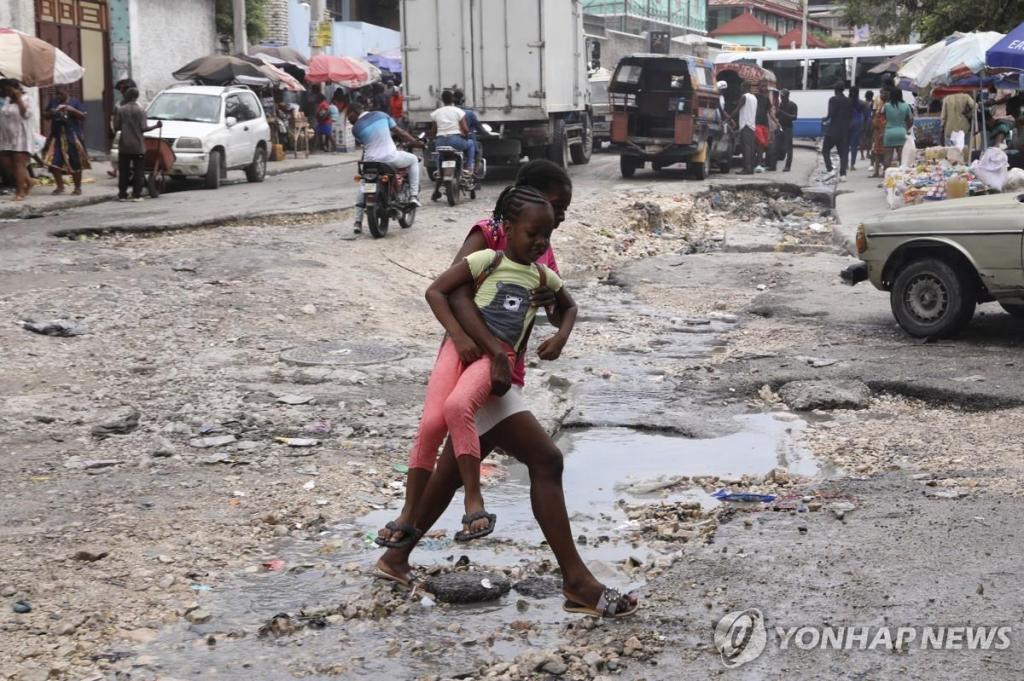
The Caribbean is sold to the world as paradise. Crystal-clear waters, luxury resorts, pristine beaches, and multimillion-dollar vacation properties dominate the advertisements. But venture beyond the tourist districts of several Caribbean nations, and a far less glamorous reality emerges: deteriorating roads, unreliable electricity, inadequate drainage, aging water systems, and public infrastructure struggling to meet the needs of ordinary citizens.
For a region that generates billions of dollars through tourism, the contrast between its international image and the daily experiences of its residents can be astonishing.
The Caribbean does not suffer from a complete absence of infrastructure. Countries such as Barbados, Trinidad and Tobago, and the Bahamas have developed substantial transportation, telecommunications, and utility networks. However, infrastructure quality varies dramatically across the region, and serious deficiencies persist even in economies heavily dependent on international visitors.
The uncomfortable question is why so many Caribbean governments have struggled to transform tourism revenue, foreign investment, and natural resources into reliable public services.
Jamaica: Tourism Wealth and Infrastructure Frustration
Jamaica illustrates the contradictions of Caribbean development. The island attracts millions of visitors and maintains an internationally recognized tourism industry, yet communities continue struggling with damaged roads, intermittent water supplies, drainage problems, and expensive electricity.
Heavy rainfall regularly exposes weaknesses in drainage and road maintenance, while rural communities face additional difficulties accessing dependable public utilities.
The problem is not simply a lack of investment. It is also the challenge of ensuring that infrastructure spending produces durable improvements across the country rather than concentrating benefits around major commercial and tourism corridors.
Jamaica’s reliance on privately operated utilities has also generated debate over electricity costs, public accountability, and whether essential services should be managed primarily around shareholder returns.
Haiti: Infrastructure Collapse Meets Political Instability
Haiti faces an especially severe infrastructure crisis. Political instability, gang violence, natural disasters, and longstanding institutional weaknesses have damaged transportation networks, disrupted electricity distribution, and limited access to safe drinking water.
In many communities, residents depend on private generators, water deliveries, and informal transportation systems because public services are unavailable or unreliable.

The consequences extend beyond inconvenience. Poor infrastructure restricts business development, complicates medical emergencies, undermines education, and makes disaster recovery considerably more difficult.
Haiti’s circumstances are particularly severe, but they demonstrate how deteriorating public infrastructure can reinforce poverty and instability.
Electricity, Water, and Roads: The Region’s Persistent Weaknesses
The Caribbean Development Bank estimates that only about 53% of the region’s roads are paved. Meanwhile, the World Bank has identified persistent problems with water reliability, expensive electricity, and aging power-generation systems.
These are not minor inconveniences. Businesses cannot operate efficiently without dependable electricity, farmers cannot move goods competitively without reliable roads, and families cannot maintain healthy living conditions without clean water and functioning sanitation.
For small island nations, the cost of constructing and maintaining infrastructure is particularly high. Imported materials, limited domestic markets, hurricanes, and mounting public debt complicate development. But those challenges also make competent planning and long-term investment more essential.
Who Really Benefits From Caribbean Development?
The Caribbean’s dependence on tourism creates an uncomfortable economic question: How much of the wealth generated by international visitors actually reaches the communities surrounding major resorts?

Tourism supports millions of jobs across the region, but employment alone does not guarantee affordable housing, reliable utilities, or modern public transportation. International hotel ownership, imported supplies, and profits transferred abroad can also limit the money circulating through local economies.
That does not mean tourism investment is inherently harmful. It means governments must negotiate development agreements that deliver tangible public benefits rather than simply celebrating visitor arrivals and new hotel construction.
Caribbean Governments Must Think Beyond Tourism
The region needs an infrastructure strategy that prioritizes residents as much as investors. Modern roads, dependable water systems, renewable electricity, stronger public transportation, and reliable telecommunications should be central economic priorities.
Regional cooperation could also reduce costs. Shared procurement, coordinated energy investments, and improved maritime transportation could help smaller countries overcome the limitations of their individual markets.
The Caribbean Development Bank and international lenders are already financing infrastructure improvements. The challenge is ensuring that these investments are maintained, distributed fairly, and protected against increasingly destructive natural disasters.
A country cannot build a sustainable economy on beautiful beaches while allowing essential public services to deteriorate.
The Caribbean possesses extraordinary natural resources, strategic geographic advantages, and enormous human potential. Its future should not depend exclusively on selling outsiders a luxurious version of paradise.
The real measure of Caribbean development should be whether the people who actually live there can enjoy dependable electricity, clean water, safe roads, and functioning public services.
Until that becomes the standard, the distance between the Caribbean’s tourist image and its economic reality will remain one of the region’s most consequential development challenges.
—Sylvester Loving, B1Daily




Leave a Reply