—Josh Allen, B1Daily
From overpriced electronics to subscription-based everything, corporate America has mastered the art of charging more while delivering less.
Remember when buying something meant you actually owned it? When appliances lasted longer than a celebrity marriage, software didn’t demand a monthly ransom, and your refrigerator wasn’t trying to connect to Wi-Fi?
Welcome to the glorious age of enshittification, where corporations have apparently decided that making quality products is an outdated business model and squeezing every possible dollar out of consumers is the future.
The term enshittification, popularized by technology writer Cory Doctorow, originally described how digital platforms deteriorate over time. Companies attract users with excellent services, gradually prioritize business customers and advertisers, and eventually extract as much value as possible from everyone involved.
But the concept increasingly feels applicable far beyond the internet. From automobiles to household appliances, consumers are confronting a marketplace where unnecessary complexity, recurring fees, planned obsolescence, and declining customer service have become familiar frustrations.
Congratulations! Your $1,500 Refrigerator Needs a Software Update
Modern corporations have developed a remarkable talent for transforming ordinary products into unnecessarily complicated technological experiments.
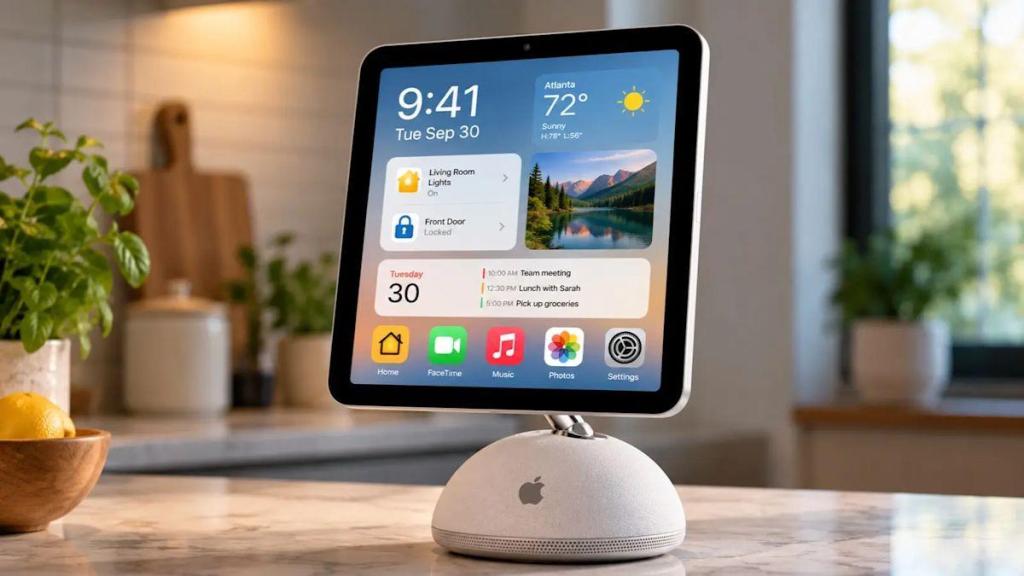
Refrigerators now come equipped with touchscreens, washing machines have smartphone applications, and automobiles increasingly rely on software systems to operate features that previously required nothing more than a button.
Some innovations genuinely improve convenience, efficiency, and safety. Others introduce new failure points, expensive repairs, and technological dependencies that consumers never requested.
A refrigerator doesn’t need to become your digital assistant. It needs to keep the chicken cold.
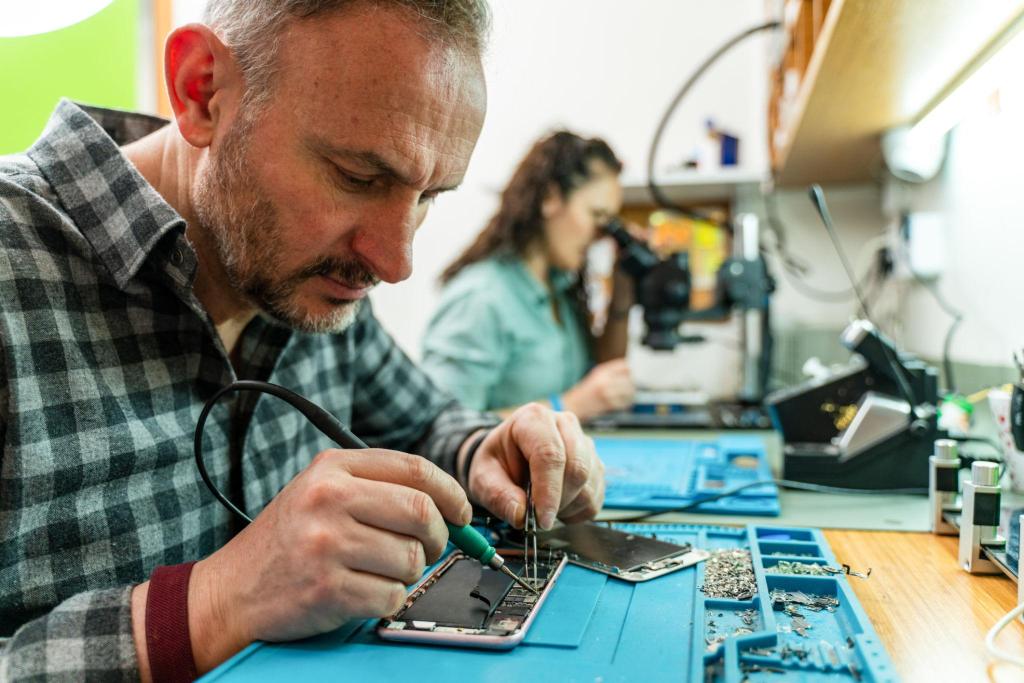
Meanwhile, manufacturers increasingly integrate components that are difficult or expensive to replace, leaving consumers choosing between costly repairs and purchasing entirely new products.
Apparently, durability doesn’t generate enough repeat customers.
You Bought It, But Do You Really Own It?
Perhaps the most irritating development is the corporate obsession with subscriptions.
Software that once required a single purchase now frequently demands recurring payments. Streaming services continue introducing new pricing tiers, advertising restrictions, and additional fees. Automakers have even experimented with charging customers subscriptions for certain vehicle features.
Imagine purchasing a car with heated seats physically installed, only to discover that activating them requires permission from a corporate billing department.
Congratulations. You’ve purchased the hardware, but the company would still like rent.
This business model raises an uncomfortable question: Are corporations selling products anymore, or merely granting temporary access to things consumers already paid for?
The Great Corporate Quality Collapse
Consumers frequently complain that clothing wears out faster, electronics are harder to repair, furniture relies on cheaper materials, and customer service has become an obstacle course of automated responses.
Not every product is worse than its predecessor. Modern manufacturing has also delivered significant improvements in reliability, efficiency, and affordability across numerous industries.
Nevertheless, the pressure to minimize production costs while maximizing shareholder returns can create incentives to sacrifice durability, repairability, and long-term customer satisfaction.
Why manufacture something that lasts fifteen years when you can sell a replacement in five?
Why provide affordable replacement parts when consumers can be encouraged to purchase an entirely new device?
And why hire enough customer service representatives when an automated chatbot can repeatedly apologize while solving absolutely nothing?
Corporate innovation, ladies and gentlemen.
Even the Internet Has Become a Digital Landfill
The internet offers perhaps the clearest illustration of Doctorow’s original argument.
Social media platforms that once prioritized connecting people increasingly bombard users with advertisements, sponsored recommendations, and algorithmically promoted content.
Search engines must contend with low-quality, search-optimized material. Streaming services divide entertainment across numerous subscriptions. Video platforms interrupt content with advertisements while promoting premium plans to escape them.
Even products marketed as revolutionary artificial intelligence can become vehicles for another monthly payment, another upsell, or another excuse to replace human customer support.
The consumer experience becomes secondary to monetization.
What began as a service gradually transforms into a tollbooth.
Consumers Are Paying More for Less Control
The larger issue isn’t simply that corporations occasionally manufacture disappointing products. It’s that consumers increasingly face restrictions on repairing, modifying, transferring, or fully using the things they purchase.
This has helped fuel the right-to-repair movement, which seeks to give consumers and independent repair shops better access to parts, tools, and technical information.
The debate also extends to software ownership, digital purchases, subscription transparency, and the increasingly blurry distinction between owning a product and licensing access to it.
These aren’t trivial inconveniences. They affect household budgets, electronic waste, competition, and consumer independence.
Maybe Corporations Should Try Making Good Products Again
The solution isn’t complicated, although corporate executives might require a seventy-slide presentation to understand it.
Manufacture durable products. Make repairs affordable. Stop hiding basic functionality behind subscriptions. Provide customer service that actually serves customers. And perhaps consider that not every household appliance needs an artificial intelligence assistant.
Profitability and product quality are not inherently incompatible. Companies can innovate, earn money, and still respect the people purchasing their products.
But when corporations prioritize extracting additional revenue over providing lasting value, consumers have every reason to question what they’re paying for.
Enshittification isn’t simply about products getting worse. It’s about a marketplace where customers increasingly pay premium prices for reduced ownership, diminished service, and unnecessary complexity.
And if corporations continue down this road, don’t be surprised when the next $2,000 washing machine requires a subscription to unlock the spin cycle.
—Josh Allen, B1Daily




Leave a Reply