—Pratima Gadal, B1Daily
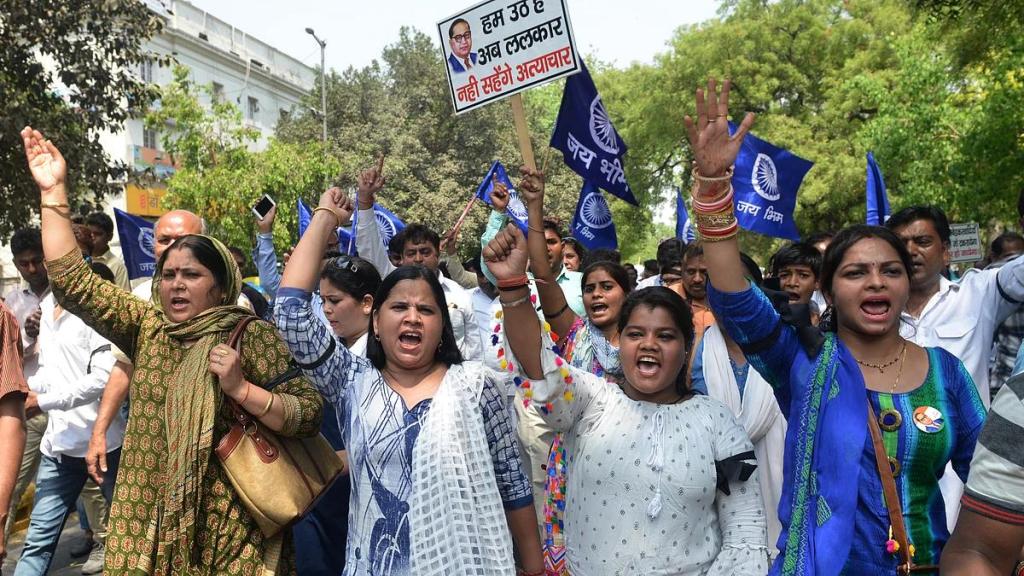
A 35-year-old Indian man was brutally beaten to death in front of his 10-year-old daughter in Uttar Pradesh, igniting outrage over allegations of caste-based violence and exposing the ugly persistence of social discrimination in one of the world’s largest democracies.
The victim, Manoj Gautam, belonged to India’s Dalit community, a historically marginalized population subjected to generations of caste discrimination and social exclusion.
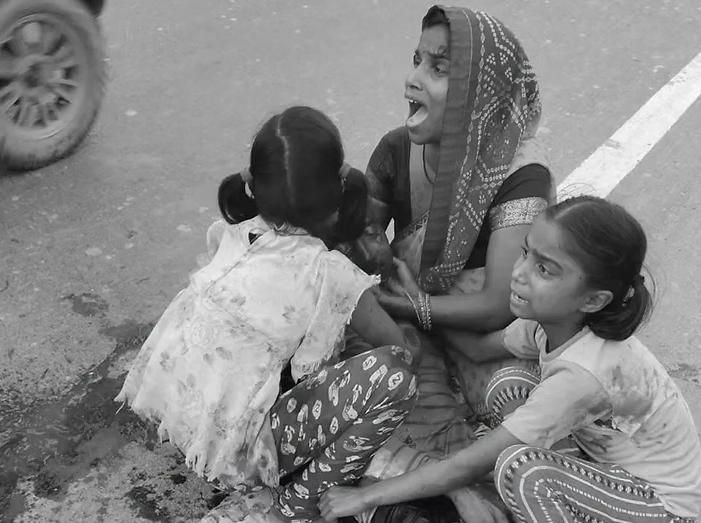
On October 15, 2026, Gautam was reportedly returning from a local market near Ludhaura village in Sitapur district when a group intercepted him and attacked him with wooden sticks. His family alleges that the attackers shouted caste-based insults during the assault.
Gautam was transported to a nearby medical facility, where he was pronounced dead.
For his young daughter, the horrifying experience of witnessing her father’s killing will likely leave emotional scars long after the criminal proceedings conclude.
A History of Conflict and Alleged Caste Hatred
Police have suggested that a longstanding dispute between the families may have motivated the attack. However, Gautam’s relatives insist that caste-based hostility played a role.
Authorities confirmed that Gautam previously filed a complaint against individuals involved in the dispute under India’s Scheduled Castes and Scheduled Tribes (Prevention of Atrocities) Act, legislation intended to protect historically oppressed communities.
Four of six suspects had been arrested as of the initial October 17 reports, while authorities continued searching for the remaining accused.
The precise motive remains under investigation, and the allegations of caste-based abuse have not yet been established in court.
Nevertheless, the killing raises serious concerns about whether India’s existing legal protections are sufficient to prevent violence against vulnerable communities.
India’s Caste System: An Ancient Injustice in a Modern Democracy
India abolished the practice of untouchability under Article 17 of its Constitution, yet caste discrimination continues to affect millions of citizens.
Dalits have historically faced exclusion from social institutions, restrictions on economic opportunity, discriminatory treatment, and violence rooted in inherited social hierarchies.
Although India has enacted legislation to combat these abuses, enforcement and social attitudes remain significant challenges.
A country cannot credibly celebrate democratic equality while allowing inherited social status to determine how its citizens are treated.
The killing of Manoj Gautam illustrates why allegations of caste-motivated violence demand serious investigation rather than dismissal as ordinary interpersonal disputes.
Political Leaders Demand Justice
Chandra Shekhar Azad, a prominent Dalit rights activist and member of India’s Parliament, condemned the killing and demanded that authorities apprehend every suspect.
Azad also called for an impartial investigation and strict legal consequences for those found responsible.
His intervention reflects growing demands for accountability when violence affects historically marginalized communities.
But arrests alone cannot resolve the deeper problem.
India must ensure that caste discrimination complaints are investigated thoroughly, victims receive meaningful protection, and those responsible for violence face appropriate punishment.
India Must Confront Its Caste Problem
The death of Manoj Gautam should disturb anyone who believes that human dignity must never depend on ancestry, inherited social position, or community background.
His family deserves justice, protection, and an investigation that examines every credible allegation, including the possibility of caste-based hatred.
India’s democratic institutions have a responsibility to demonstrate that the law protects Dalit citizens as vigorously as anyone else.
No child should have to watch a parent beaten to death, and no person should face violence because of the social identity assigned to them at birth.
Whether investigators ultimately establish caste hatred, a longstanding personal rivalry, or a combination of motives, Gautam’s killing demands accountability.
For a nation aspiring to global leadership, protecting its most vulnerable citizens is not optional.
It is a fundamental test of democracy.
—Pratima Gadal, B1Daily





Leave a Reply