—Gus Aylen, B1Daily
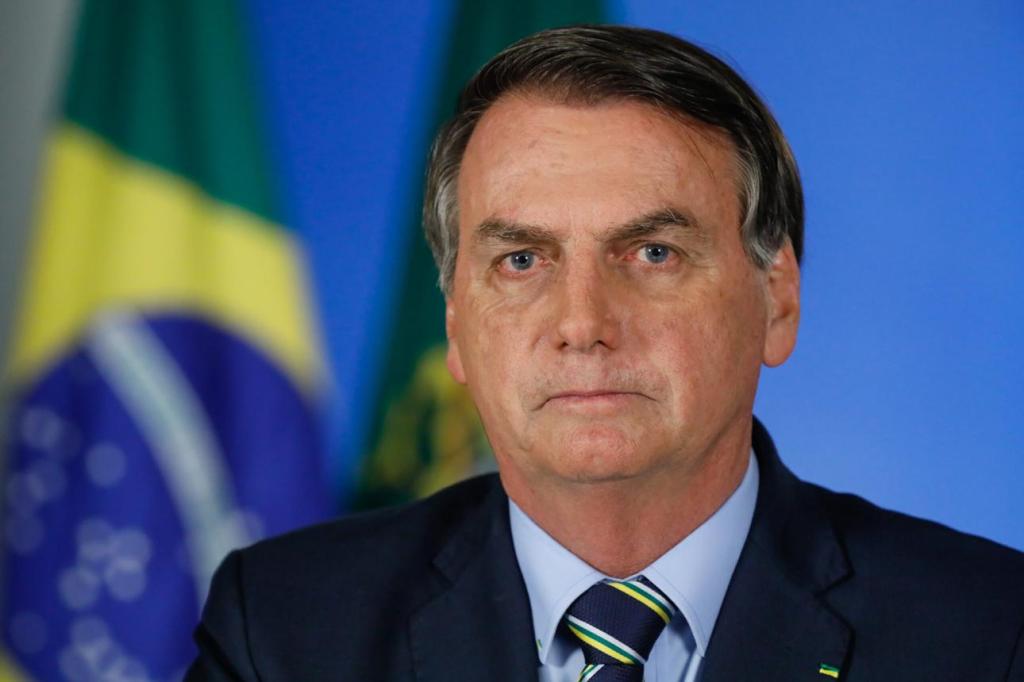
Brazil’s Bolsonaro political dynasty has suffered another humiliating setback, and this time, one of its leading figures has apparently decided that leaving the country is preferable to facing the growing legal and political storm at home.
Flávio Bolsonaro, the son of former Brazilian President Jair Bolsonaro, fled Brazil following his October 25 presidential election defeat to incumbent President Luiz Inácio Lula da Silva. His departure comes amid ongoing investigations into alleged corruption, money laundering, and tax evasion.
The 45-year-old senator reportedly crossed into Argentina with his wife and two daughters late Tuesday before boarding a private charter flight bound for Ecuador. The Trump administration had granted the family U.S. visas, raising the possibility that America could become their eventual destination.
The timing is particularly damning. Brazil’s Supreme Court had ordered Flávio to surrender his Brazilian passports following his election defeat, and his departure coincided with the expiration of that deadline.
Although the investigations remain unresolved and Bolsonaro denies wrongdoing, the spectacle of a defeated presidential candidate leaving the country while facing judicial scrutiny raises serious questions about political accountability.
Corruption Allegations Follow Bolsonaro Out of Brazil
Flávio Bolsonaro faces investigations involving two separate sets of financial allegations.
In one case, Brazilian authorities are examining whether a sports betting company was used to launder money connected to fraudulent deductions from government pension payments.
In another, investigators are examining allegations that Bolsonaro accepted millions of dollars from a banker facing legal troubles.
Prosecutors suspect that some of the funds were used to finance political activities involving his brother Eduardo Bolsonaro and efforts to influence the Trump administration.
Flávio has denied the accusations, and no conviction has been established in these investigations.
Nevertheless, the allegations present an extraordinary contradiction for a political family that built much of its public identity around fighting corruption and challenging Brazil’s political establishment.
When politicians campaign as enemies of corruption, they should be prepared to answer difficult questions about their own financial dealings.
Like Father, Like Son?
The Bolsonaro family’s political troubles extend well beyond Flávio.
Former President Jair Bolsonaro is serving a 27-year-and-three-month sentence following his conviction for participating in a plot to overturn Brazil’s 2022 presidential election.
Jair Bolsonaro previously traveled to Florida after losing that election, returning to Brazil approximately three months later.
His son now faces a remarkably similar political crossroads.
Flávio lost the 2026 presidential runoff to Lula, challenged the election’s legitimacy, and subsequently departed Brazil while facing legal investigations.
The circumstances are not identical, and Flávio has not been convicted of the financial crimes under investigation. Still, the parallels are difficult to ignore.
For a family that has repeatedly portrayed itself as the defender of Brazilian democracy, its confrontations with electoral institutions and the judiciary have become defining features of its political legacy.
Lula’s Victory Signals a Political Rejection of the Bolsonaro Dynasty
Lula’s reelection represents another major setback for Brazil’s far-right political movement.
The incumbent president secured approximately 51.8% of the runoff vote against Flávio Bolsonaro’s 48.2%, overcoming an initial first-round deficit.
The result gives Lula an unprecedented fourth presidential term and reinforces his position as one of Latin America’s most influential political figures.
However, Brazil’s political transformation is far from complete.
Despite Lula’s victory, conservative and far-right lawmakers strengthened their presence in Congress during the 2026 elections. Their growing influence could complicate the president’s efforts to advance economic reforms, environmental protections, and social policies.
This creates an unusual political landscape: a left-wing president facing an increasingly conservative legislature while the country’s most prominent right-wing political family battles legal investigations and internal uncertainty.
Brazil has rejected another Bolsonaro presidency, but it has certainly not eliminated Bolsonaro-style politics.
Is the United States Becoming a Political Refuge for the Bolsonaro Family?
The Trump administration’s decision to grant Flávio Bolsonaro and his family U.S. visas adds another controversial dimension to the situation.
President Donald Trump has repeatedly expressed sympathy for the Bolsonaro family and criticized Brazil’s handling of its political and judicial disputes.
The prospect of an embattled Brazilian politician receiving refuge in the United States could create additional tensions between Washington and Brasília.
But receiving a visa does not automatically establish political asylum, nor does it eliminate potential legal obligations in Brazil.
For Lula’s administration, the issue presents a diplomatic challenge involving Brazilian sovereignty, judicial independence, and relations with Washington.
For the Trump administration, it raises an uncomfortable question: Should America offer a political sanctuary to foreign politicians attempting to avoid judicial scrutiny in their home countries?
Brazil’s Democracy Faces Another Test
Flávio Bolsonaro’s departure is more than an embarrassing political development.
It illustrates the continuing struggle between Brazil’s democratic institutions and a powerful political movement that has repeatedly challenged their legitimacy.
Lula’s government must now navigate a divided electorate, an emboldened conservative Congress, and the possibility of renewed confrontation with Washington.
Meanwhile, Brazilian investigators must establish whether the corruption allegations against Flávio Bolsonaro are supported by sufficient evidence to justify criminal charges.
Political opposition should never be criminalized simply for challenging a government. Equally, political prominence should never provide immunity from legitimate criminal investigations.
The Bolsonaro family has spent years demanding political power while portraying judicial scrutiny as persecution. Now, Brazil’s institutions face the responsibility of demonstrating that accountability applies regardless of political allegiance.
Flávio Bolsonaro may have crossed an international border, but the allegations surrounding his finances have not disappeared.
And as Brazil enters another chapter under Lula, one principle should remain nonnegotiable: electoral defeat does not excuse corruption, and political influence should never place anyone above the law.
—Gus Aylen, B1Daily



Leave a Reply