—Matt Gwinta, B1Daily
European museums are filled with magnificent African sculptures, royal treasures, ceremonial objects, and ancient cultural artifacts. Visitors admire these collections as extraordinary examples of human creativity.
But behind many of those glass displays lies an uncomfortable historical reality.
Some of these treasures arrived in Europe through military conquest, colonial exploitation, coercion, and outright theft.
And more than a century later, former colonial powers continue debating whether African nations deserve to recover objects that never should have been taken.
The question is no longer whether colonial looting occurred. The question is why its consequences remain so difficult to reverse.
The Benin Bronzes Expose Europe’s Colonial Hypocrisy
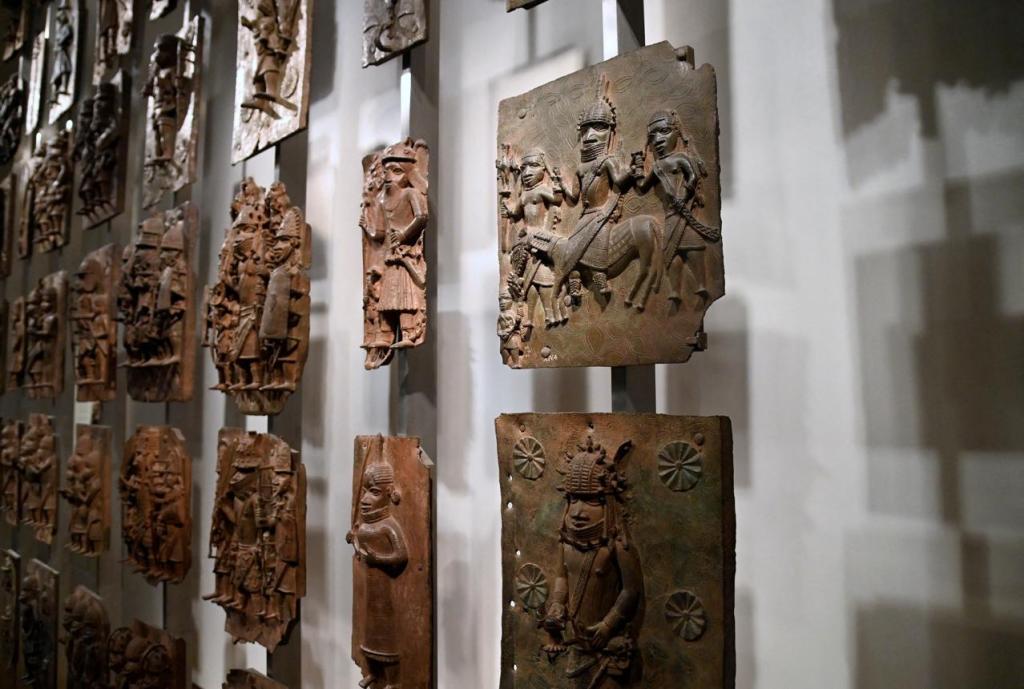
In 1897, British forces invaded the Kingdom of Benin, located in present-day Nigeria, and seized thousands of cultural objects.
Among them were the famous Benin Bronzes, an extraordinary collection of metal plaques, sculptures, and royal artifacts representing centuries of artistic achievement.
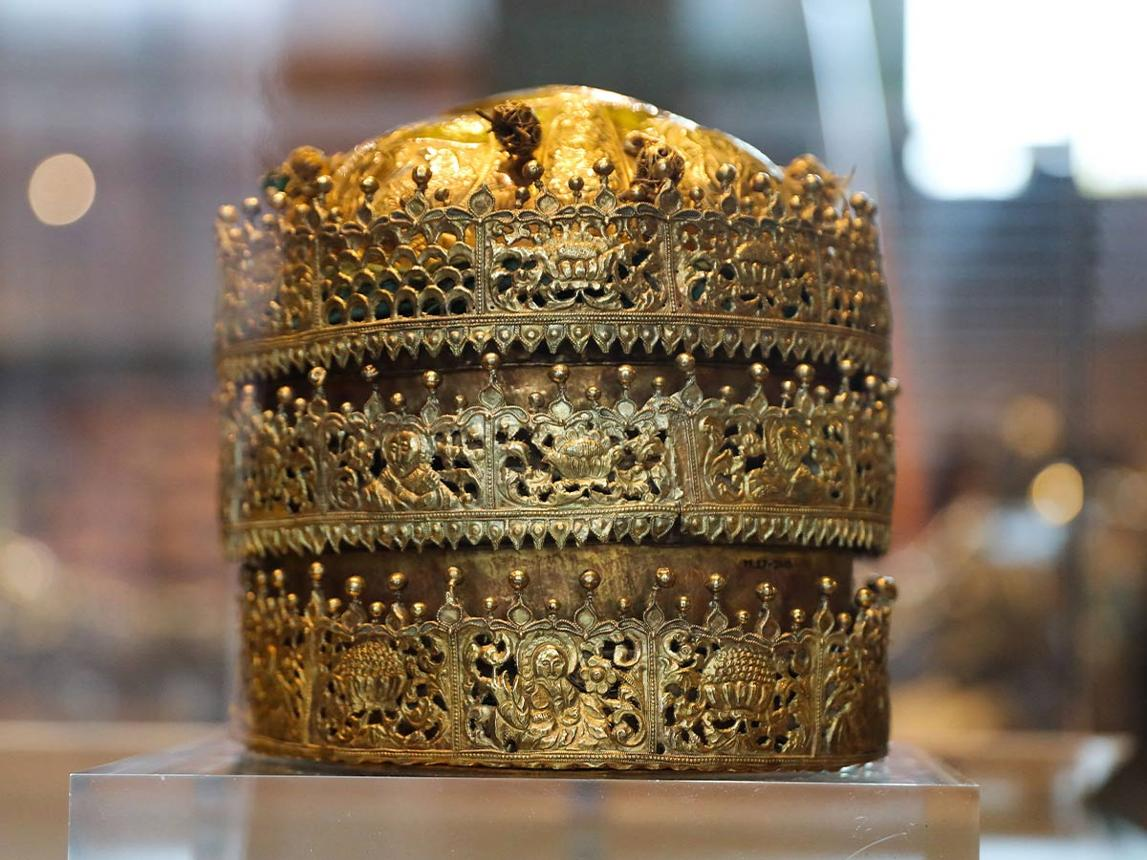
Many eventually entered European museums and private collections.
For generations, institutions displayed these objects as cultural masterpieces while their original communities remained separated from their heritage.
However, the international restitution movement has begun producing results.
In 2025, the Netherlands returned 119 Benin artifacts to Nigeria, acknowledging their connection to the British invasion.
In 2026, Swiss museums returned another 18 objects, while the University of Cambridge transferred legal ownership of 116 Benin artifacts to Nigeria.
These developments demonstrate that restitution is entirely possible when governments and cultural institutions possess the political will.
Who Actually Owns Africa’s Cultural Heritage?
European museums frequently emphasize their legal ownership of disputed collections.
But legal possession and legitimate ownership are not necessarily the same thing.
A museum might have purchased an artifact from a collector who acquired it through colonial-era transactions. Yet if the original object was stolen during a military invasion, subsequent purchases do not erase the historical injustice.
The British Museum presents a particularly controversial example.
British legislation restricts its ability to permanently remove objects from its collections, creating substantial legal obstacles to returning contested artifacts.
However, those restrictions were established by lawmakers.
If Parliament can pass laws protecting museum collections, Parliament can also pass laws allowing stolen cultural property to return home.
The legal system should not become a permanent shield against correcting historical wrongdoing.
The Preservation Argument Is Growing Old
One familiar argument against restitution suggests that European museums possess superior resources for preserving ancient African artifacts.
This reasoning deserves considerable skepticism.
African civilizations created and preserved these cultural treasures long before European institutions acquired them.
Modern African museums, universities, archaeologists, and conservation specialists are fully capable of participating in sophisticated preservation programs.
Certainly, some institutions face funding shortages, security concerns, or infrastructure challenges.
But those problems should encourage international investment and professional cooperation rather than justify indefinite foreign possession.
European museums could help finance conservation facilities, provide technical training, and establish collaborative exhibitions.
Preservation should be a partnership, not an excuse for continued control.
Should Every African Artifact Be Returned?
Here is where the debate becomes more complicated.
Not every African artifact in a European museum was necessarily stolen.
Some objects were purchased through legitimate transactions, exchanged as diplomatic gifts, or acquired under circumstances that require further investigation.
A blanket demand for every African-made object to leave Europe would overlook those distinctions.
Nevertheless, the burden should not fall entirely on African communities to prove wrongdoing centuries after colonial powers disrupted their societies.
Museums should conduct transparent investigations into how their collections were acquired and publish the findings.
Artifacts obtained through military looting, coercion, or demonstrably illegitimate transactions should ordinarily be returned to their rightful owners or successor communities.
Objects acquired through legitimate exchanges may warrant different arrangements, including shared exhibitions and voluntary loans.
The principle should be straightforward: historical ownership deserves greater consideration than institutional convenience.
Cultural Sovereignty Is Bigger Than Museum Exhibits
African artifacts are not merely decorative objects.
Many possess religious, historical, political, and ancestral significance.
Royal sculptures can document the authority of ancient kingdoms. Ceremonial objects may remain essential to living spiritual traditions. Historical collections preserve information about societies whose institutions were disrupted by colonial rule.
Removing these objects separated communities from important expressions of their cultural identities.
Returning them therefore represents more than transferring property.
It allows communities to reclaim authority over how their histories are interpreted, preserved, and presented.
There is also an economic dimension.
African museums and cultural tourism industries could benefit from exhibiting important historical collections in their countries of origin.
Instead of requiring Africans to travel to London or Paris to view portions of their own heritage, restitution could strengthen local educational institutions and cultural economies.
African Governments Must Also Respect Original Communities
Restitution should not simply transfer disputed ownership from European museums to African governments without considering the communities from which objects originated.
The Benin Bronzes, for example, are connected to the historical Kingdom of Benin and its royal institutions.
Determining their rightful custodians requires meaningful consultation with traditional authorities, cultural organizations, historians, and relevant government institutions.
Modern national borders do not always correspond neatly with the societies that created ancient artifacts.
A responsible restitution process must therefore respect both national sovereignty and the rights of originating communities.
Otherwise, cultural objects risk becoming political trophies rather than restored heritage.
Europe Cannot Celebrate African Art While Ignoring African Ownership
The international museum industry frequently celebrates cultural diversity.
Yet that celebration becomes difficult to defend when institutions resist returning objects whose removal was directly connected to colonial violence.
European audiences can continue appreciating African art through legitimate loans, traveling exhibitions, digital archives, and international museum partnerships.
There is no requirement that cultural appreciation depend on permanent foreign ownership.
Indeed, returning disputed objects could create healthier relationships between African and European cultural institutions.
Instead of defending the spoils of empire, museums could become partners in correcting historical injustices.
Restitution Is Long Overdue
Former colonial powers should not be compelled to surrender every African-made artifact simply because it originated on the continent.
But they should face strong legal and diplomatic obligations to return objects acquired through conquest, theft, coercion, and other illegitimate means.
That process must include transparent provenance investigations, meaningful consultation with originating communities, and reforms to laws that obstruct legitimate restitution claims.
African nations should also receive greater support for conservation, research, and cultural infrastructure.
The return of the Benin Bronzes demonstrates that these arrangements are achievable.
What remains uncertain is whether European governments are willing to confront the full implications of their colonial histories.
African cultural heritage should not remain permanently displaced simply because former colonial powers built prestigious museums around it.
A civilization’s history does not become someone else’s property merely because an empire carried it across an ocean.
And after more than a century of displaying Africa’s treasures, Europe should finally recognize the difference between appreciating another civilization’s heritage and claiming ownership of it.
—Matt Gwinta, B1Daily






Leave a Reply