—Sylvester Loving, B1Daily
Britain spent centuries extracting wealth from the Caribbean through slavery, plantation economies, and colonial exploitation. Now, generations later, Caribbean governments are requesting compensation from the very institutions that benefited from that system.
And Britain’s response has been remarkably consistent: absolutely not.
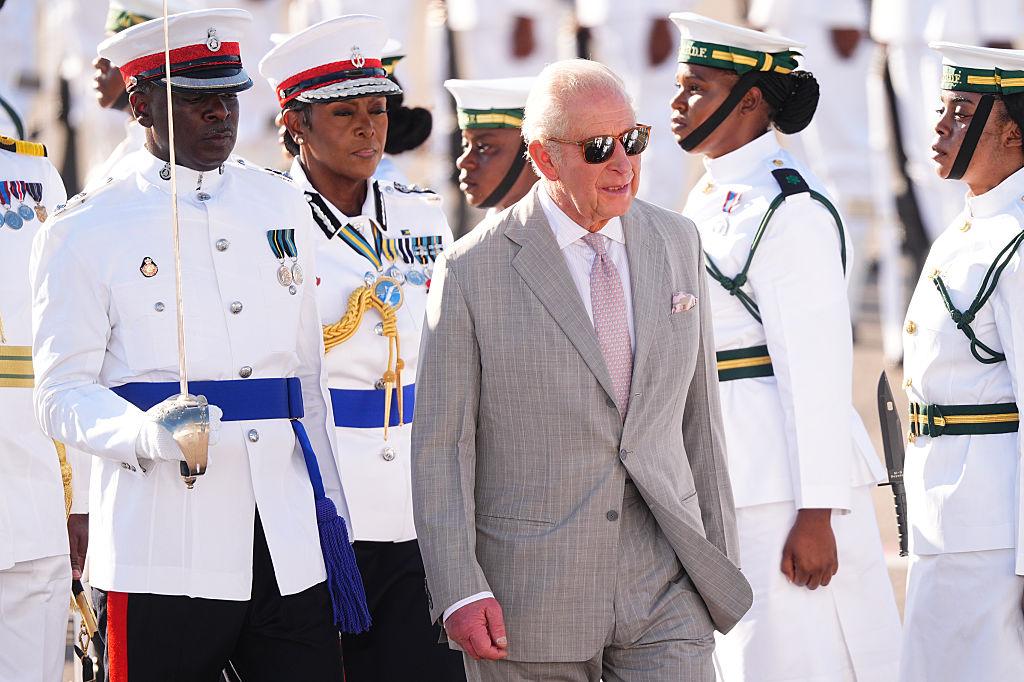
As King Charles III tours the Caribbean in October 2026, the British monarchy faces renewed demands for apologies and reparations. Yet the British government continues rejecting financial compensation, while Buckingham Palace offers carefully worded acknowledgments of slavery’s horrors.
At some point, Caribbean leaders must confront an uncomfortable reality.
Britain has little incentive to surrender billions in potential reparations simply because its former colonies politely request payment.
If Caribbean nations genuinely intend to secure compensation, they need a coordinated strategy that makes continued refusal politically, diplomatically, and economically costly.
Jamaica Is Finally Moving Beyond Symbolic Demands
In September 2026, Jamaica formally petitioned King Charles III to refer questions concerning slavery and Britain’s potential legal responsibility to the Judicial Committee of the Privy Council.
The petition seeks legal clarification about the historical legality of slavery and whether Britain has an obligation to provide reparatory remedies.
This represents an important development.
Rather than simply requesting an apology, Jamaica is attempting to establish a legal foundation for its demands.
However, the petition itself does not seek a specific monetary award, and a favorable legal opinion would not automatically compel Britain to issue payments.
That distinction matters.
Winning acknowledgment is not the same as collecting compensation.
Caribbean governments must develop strategies that move beyond recognition and toward enforceable agreements.
Britain Has Already Made Its Position Clear
British officials have repeatedly stated that the United Kingdom will not pay reparations for its involvement in the transatlantic slave trade.
King Charles has acknowledged slavery’s historical brutality, but his expressions of sorrow have not translated into a formal apology or financial commitment.
Meanwhile, Caribbean leaders continue raising the issue during royal visits and international diplomatic meetings.
The problem is that Britain can absorb criticism without suffering significant consequences.
A royal tour might attract protests. A Commonwealth summit might produce passionate speeches. Another commission might publish a devastating historical report.
But unless those developments create meaningful pressure, London can simply wait for the controversy to subside.
That is why the Caribbean needs more than diplomatic courtesy.
It needs leverage.
Economic and Diplomatic Pressure Should Be on the Table
Caribbean nations should consider coordinated, lawful diplomatic and economic measures designed to make reparations a continuing international priority.
One approach would involve linking future negotiations over selected trade, investment, and development agreements to substantive discussions about reparatory justice.
Another would involve coordinated diplomatic campaigns at the United Nations, Commonwealth meetings, and other international institutions.
Caribbean governments could also pursue additional legal opinions, investigate viable litigation, and seek international support for restitution frameworks.
None of these strategies guarantees success. Trade restrictions could damage Caribbean economies, international courts face jurisdictional limits, and Britain possesses substantial diplomatic influence.
But carefully coordinated pressure would represent a significant departure from merely asking British officials to reconsider their position.
A reparations movement without leverage risks becoming an annual ceremony of speeches, apologies requested, and apologies refused.
The British Monarchy Is Not the Only Institution That Should Answer
The reparations conversation should also examine institutions and businesses that accumulated wealth through colonial slavery.
British banks, insurance companies, commercial enterprises, and wealthy families were historically connected to plantation economies and the transatlantic slave trade.
Some modern institutions have acknowledged historical connections to slavery, while universities and other organizations have launched research and restitution initiatives.
Caribbean governments should investigate documented financial relationships and identify where legal claims, negotiated contributions, or institutional reparations partnerships might be appropriate.
Such efforts must be based on evidence rather than assuming every modern organization bears identical responsibility for historical conduct.
Nevertheless, limiting the conversation exclusively to Buckingham Palace overlooks the broader economic machinery that profited from colonial exploitation.
Caribbean Leaders Must Also Demonstrate Accountability
There is another uncomfortable issue that reparations advocates cannot afford to ignore.
If Britain eventually agrees to provide compensation, who will control the money?
Would payments reach descendants of enslaved people, or would they disappear into government budgets with little public oversight?
Caribbean governments must establish transparent reparations frameworks before receiving substantial compensation.
Independent financial oversight, public reporting, community representation, and measurable development objectives should be central to any agreement.
Reparations could support educational institutions, healthcare systems, housing, infrastructure, cultural restoration, and targeted economic programs.
But without safeguards, compensation intended to repair historical injustice could become another source of political patronage.
The descendants of enslaved people deserve more than watching governments negotiate enormous settlements without explaining how the money will benefit them.
Republicanism Could Become a Powerful Political Statement
Several Caribbean nations continue examining their constitutional relationships with the British monarchy.
Barbados became a republic in 2021, removing the British monarch as its head of state.
Other Caribbean countries, including Jamaica, have pursued discussions about similar constitutional changes.
Becoming a republic does not automatically strengthen a legal reparations claim or create a financial obligation for Britain.
However, it can demonstrate a country’s determination to exercise greater political independence from its former colonial ruler.
Caribbean governments should not threaten constitutional change merely as a bargaining tactic. Republicanism deserves consideration on its own democratic merits.
Still, a region increasingly unwilling to maintain symbolic colonial relationships would send a powerful message about the changing nature of Britain’s influence.
Stop Treating Reparations Like a Royal Favor
The most important change Caribbean leaders must make is psychological and political.
Reparations should not be presented as an act of generosity that Britain might someday bestow upon its former colonies.
They should be pursued as a serious claim for historical redress, supported by evidence, diplomatic organization, legal strategy, and clearly defined demands.
That means establishing realistic compensation proposals, identifying responsible institutions, building international alliances, and preparing for negotiations that could take years.
It also means recognizing that confrontation does not require violence or reckless economic retaliation.
Sustained litigation, coordinated diplomacy, public campaigns, and carefully designed economic leverage can be considerably more effective than another ceremonial appeal.
The Caribbean Needs a Strategy, Not Another Speech
Caribbean nations have already demonstrated that they can organize around reparatory justice.
CARICOM’s reparations framework, Jamaica’s legal petition, and the growing international debate provide a foundation for more coordinated action.
What remains necessary is the political determination to convert those efforts into concrete negotiating power.
Britain has repeatedly indicated that it does not intend to pay reparations voluntarily.
Caribbean leaders should take that position seriously and organize accordingly.
The British Crown should not be treated as a benevolent institution waiting to be persuaded by another heartfelt appeal. It is part of a constitutional system whose government has repeatedly rejected financial responsibility for slavery.
If Caribbean governments want reparations, they must make continued refusal harder to defend and more difficult to ignore.
History suggests that powerful institutions rarely surrender wealth and privilege simply because someone asks nicely.
The Caribbean has already spent enough time requesting acknowledgment.
Now it must build the legal, economic, and diplomatic power necessary to demand a meaningful settlement.
—Sylvester Loving, B1Daily





Leave a Reply