—Vanessa Edwards, B1Daily
Twitch personality and self-proclaimed socialist Hasan Piker has built a lucrative career lecturing Americans about racism, capitalism, oppression, and social justice. Yet beneath the revolutionary branding lies a troubling contradiction: a political commentator who demands sensitivity toward marginalized communities while displaying extraordinary hostility when Black Americans question his positions.
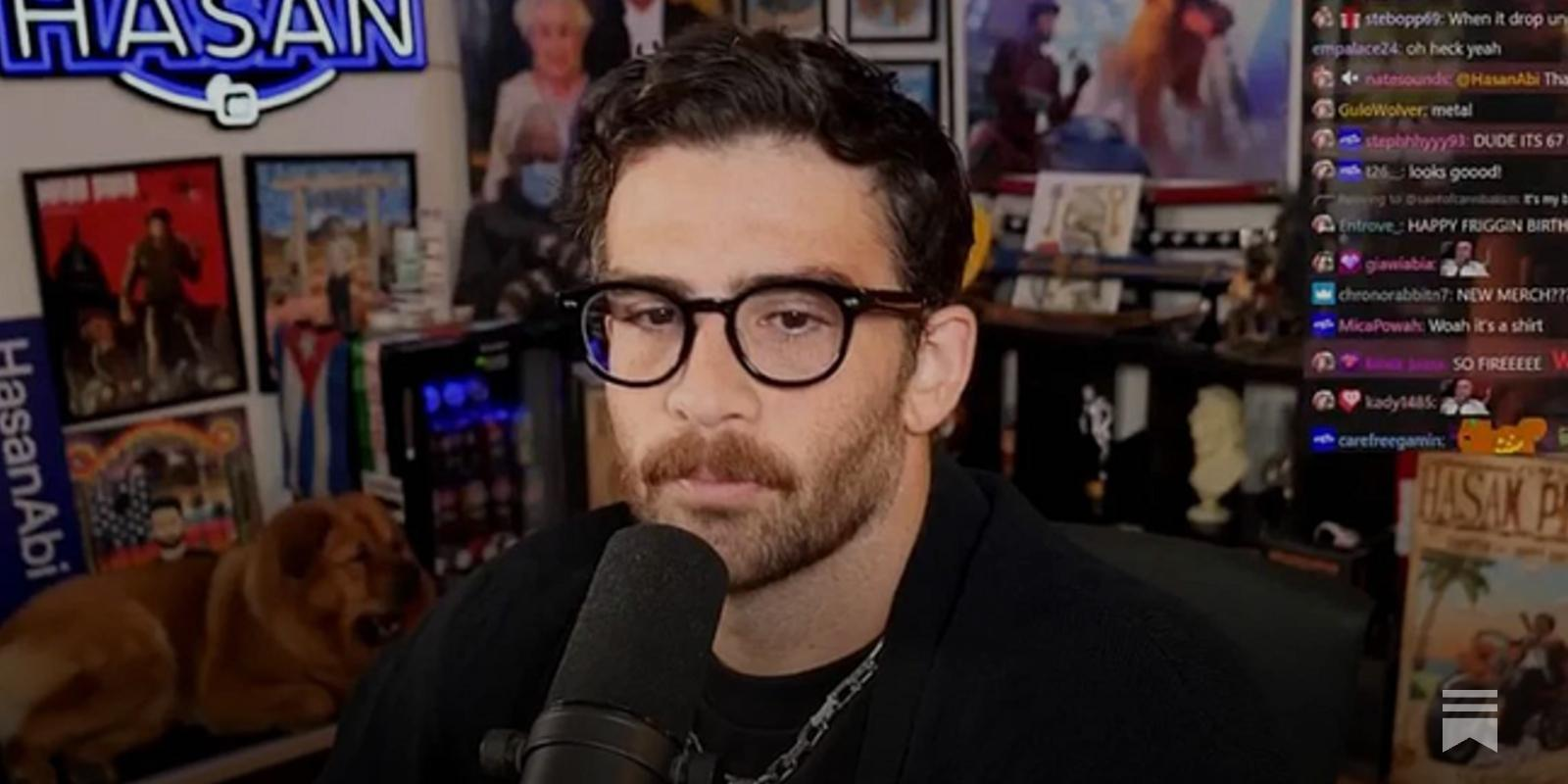
Piker’s controversial exchanges with Black viewers have fueled accusations of anti-Black prejudice, exposing what critics see as a familiar problem within predominantly white progressive spaces. Black political concerns are welcomed when they advance a broader ideological agenda, but independent Black criticism can suddenly become an inconvenience.
When Black Americans Challenge Hasan, the Gloves Come Off
During a June 2025 livestream, Piker confronted a viewer who criticized his commentary about Black voting behavior and questioned his attention to Sudan. Rather than simply addressing the criticism, the streamer launched into an aggressive, profanity-laden response, challenging other Black viewers who wanted to engage in what he characterized as radical activist language.
The confrontation was especially revealing because the underlying disagreement concerned Black political representation. Piker defended his reliance on polling data, but his dismissive treatment of the viewer raised a larger question: Why should a non-Black political commentator expect deference when discussing Black political priorities?
The backlash extended into Piker’s own audience. In October 2025, Black viewers discussing another heated exchange criticized his tone and apparent unwillingness to hear their perspectives. Some described a recurring blind spot toward Black concerns, while others defended him and rejected the accusation that he was racist.
That distinction matters. Not every disagreement with a Black viewer constitutes racism. However, repeated hostility toward Black criticism deserves scrutiny, particularly from someone whose political identity revolves around recognizing systemic inequality.
Progressive Solidarity Shouldn’t Require Black Silence
Perhaps the most disturbing aspect of Piker’s rhetoric is the contradiction between his professed solidarity and his treatment of dissent.
Progressive commentators frequently insist that marginalized communities deserve to be heard. Yet when Black Americans question whether their specific interests are being represented, some discover that solidarity comes with conditions.
Black Americans are not obligated to subordinate their political priorities to socialism, international activism, or any commentator’s preferred ideological framework. Their concerns about reparations, discriminatory institutions, economic inequality, and political representation deserve consideration on their own terms.
Piker is entitled to disagree with those priorities. What he is not entitled to is immunity from criticism simply because he identifies with the political left.
The Lynching Controversy and the Importance of Context
Piker also became the subject of a viral controversy involving comments about lynching Black Americans. Conservative commentator Scott Jennings circulated edited footage that appeared to show Piker endorsing a return to racist violence.
However, independent fact-checkers examined the original recordings and determined that Piker was sarcastically criticizing another person’s racist position, not advocating lynching himself.
In October 2026, Piker filed a $72.5 million defamation lawsuit against Jennings over the characterization.
That allegation should not be repeated as fact. There is enough legitimate material in Piker’s confrontational exchanges with Black viewers to support serious criticism without relying on misleadingly edited footage.
Anti-Blackness Doesn’t Disappear Behind a Socialist Label
The larger issue extends beyond one Twitch personality. Political movements that advertise themselves as champions of equality can still reproduce the very hierarchies they claim to oppose.
A commentator can support universal healthcare, condemn police brutality, oppose discrimination, and still display racial insensitivity when confronted by Black people who refuse to accept his political framing.
For Piker, the challenge is straightforward: Does his commitment to racial justice include respecting Black political independence, even when that independence conflicts with his worldview?
His documented remarks do not conclusively establish that he personally hates Black people. They do, however, provide legitimate grounds to question whether his confrontational approach sometimes trivializes Black perspectives.
And for a commentator who makes a living identifying prejudice in everyone else’s politics, that contradiction is particularly difficult to ignore.
Black Americans do not need Hasan Piker’s permission to define their interests, challenge his politics, or reject his version of progressive solidarity.
—Vanessa Edwards, B1Daily


Leave a Reply