—Barrington Williams, B1Daily
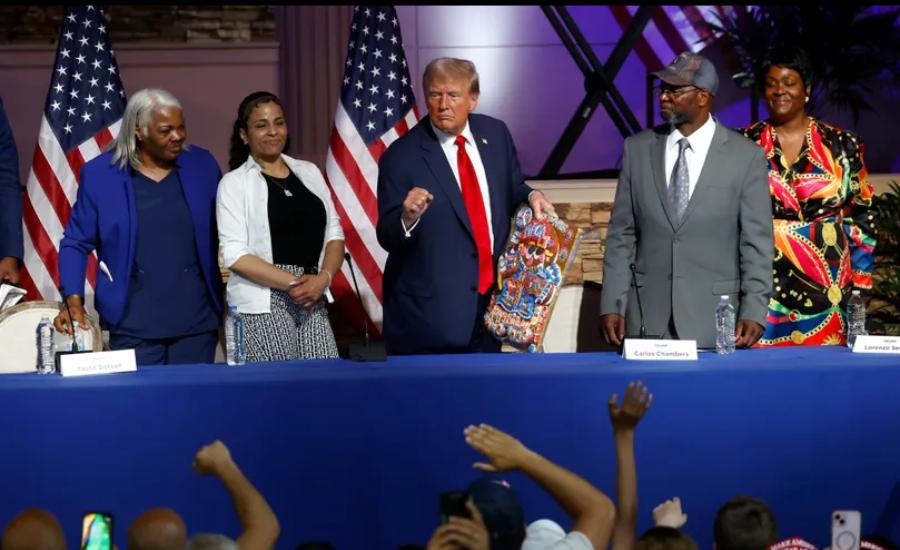
Donald Trump accomplished something significant in 2024. He expanded Republican support among Black voters, a constituency that had overwhelmingly rejected his party for generations. But less than two years later, the political opportunity Republicans celebrated appears to be slipping away.
According to Pew Research Center, Trump captured approximately 15% of the Black vote in 2024, nearly doubling his 8% share from 2020. His support among Black men reached 21%. These were meaningful gains, even though 83% of Black voters still supported Kamala Harris.
Republicans had an opportunity to demonstrate that their appeal extended beyond campaign rhetoric. Instead, their governing agenda became increasingly defined by opposition to diversity, equity, and inclusion programs, federal workforce reductions, and changes to civil rights enforcement.
Nearly Two Years of Republican Power
Following the 2024 election, Republicans controlled the presidency, the House of Representatives, and the Senate. Conservatives also held a 6–3 majority on the Supreme Court, although the justices are not elected representatives of the Republican Party.
From January 2025 through the November 2026 midterms, Republicans enjoyed nearly two years of unified federal political control.
That provided an opportunity to pursue policies addressing persistent Black economic concerns, including homeownership, employment discrimination, access to capital, and generational wealth disparities.
Instead, the administration made eliminating DEI programs one of its most visible priorities.
Republicans argue that race-conscious preferences undermine merit-based hiring and equal treatment. Critics contend that the administration has gone considerably further, weakening mechanisms designed to identify discrimination while offering few comparable initiatives to address the inequalities those mechanisms were created to confront.
The DEI Rollback Had Real Consequences
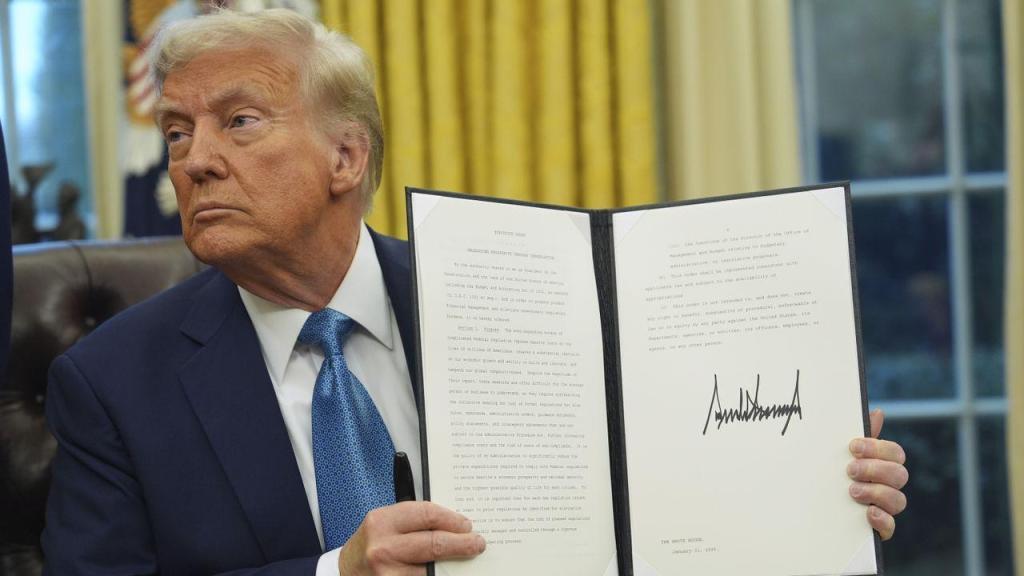
In January 2025, Trump revoked Executive Order 11246, which had required federal contractors to undertake affirmative action to ensure equal employment opportunities.
His administration subsequently moved to restrict disparate-impact enforcement, a legal approach used to challenge seemingly neutral practices that disproportionately disadvantage protected groups.
In March 2026, Trump signed another executive order imposing restrictions on what the administration describes as racially discriminatory DEI activities among federal contractors.
These actions do not establish that every affected program was effective or legally appropriate. Nevertheless, their combined effect has raised concerns about the future of workplace diversity initiatives and civil rights enforcement.
The federal workforce provides an especially revealing example.
An October 2026 Washington Post analysis found that Black federal employment had fallen substantially during the administration’s workforce reductions. Survey estimates indicated that Black government employment remained approximately 20% below its 2024 level during the first nine months of 2026.
Not every departure resulted directly from anti-DEI policies. However, the disproportionate losses illustrate why the administration’s employment agenda has become a significant concern for Black workers.
The Political Gains Began to Erode
Republicans entered 2025 believing they had established a stronger foothold with Black voters, particularly younger men.
But the early signs of political dissatisfaction were difficult to ignore.
A Washington Post analysis of national polling found Trump’s approval among Black Americans declined from approximately 24% during his first three months in office to 13% later in 2025.
By May 2026, Axios reported that Trump’s standing among Black voters had declined from its early-2025 levels, although Republican identification among Black Americans remained higher than in previous years.
That distinction matters. Declining approval does not automatically mean every dissatisfied voter has returned to the Democratic Party.
Black voters are not politically interchangeable, and dissatisfaction with Republicans does not necessarily translate into renewed enthusiasm for Democrats.
Republicans Face a Question of Priorities
The Republican argument against DEI rests on the principle that Americans should receive equal treatment regardless of race.
That is a position with supporters across different political and racial backgrounds.
But the administration’s critics raise a different question: Why has dismantling diversity initiatives received such sustained attention while longstanding disparities in Black wealth, business ownership, and employment remain unresolved?
The answer matters politically because Black voters who considered Republicans in 2024 frequently expressed concerns about economic security, inflation, and opportunity.
A governing agenda that emphasizes eliminating DEI programs without demonstrating measurable improvements in those areas risks disappointing voters who expected something more tangible.
A Political Opening, Not a Permanent Realignment
The Republican Party’s 2024 gains among Black Americans were genuine, but they were never evidence of a wholesale partisan realignment.
The overwhelming majority of Black voters still supported Democrats, and Trump’s improved performance partly reflected differences in voter turnout rather than large numbers of Democrats switching parties.
The subsequent decline in Trump’s approval suggests that Republicans have struggled to consolidate those gains.
With the 2026 midterms arriving, the question is whether Black voters will translate that dissatisfaction into different voting behavior, reduced turnout, or continued political independence.
Republicans spent considerable energy persuading Black Americans that they deserved another look.
The challenge now is demonstrating that the party’s policies have improved their lives rather than merely dismantled programs associated with racial equality.
That record, more than any campaign slogan, will determine whether the party’s 2024 breakthrough becomes the foundation of a lasting coalition or a short-lived political opening.
—Barrington Williams, B1Daily


Leave a Reply