—Michael Lyles, B1Daily
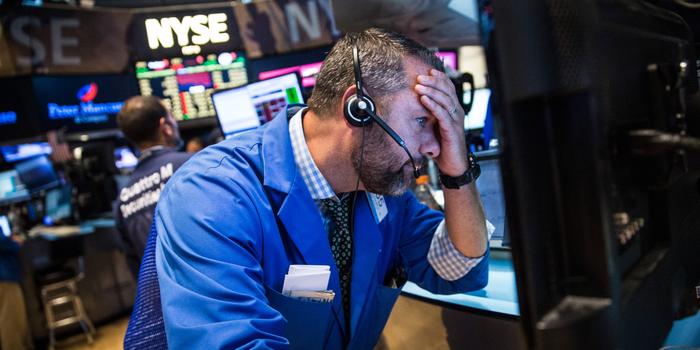
Wall Street’s so-called financial geniuses are discovering that even billion-dollar hedge funds aren’t immune to getting absolutely hammered by the markets.
October 2026 delivered a brutal reckoning for the hedge fund industry, as technology stock declines, rising interest rates, volatile oil prices, and unpredictable global markets inflicted heavy losses on some of finance’s most prestigious investment firms.
According to reporting by Business Insider, major investment managers including Millennium Management, Balyasny Asset Management, and Walleye Capital suffered setbacks, forcing firms to reconsider their investment strategies and eliminate expensive trading positions.
The Billion-Dollar Talent Purge
Walleye Capital, which manages approximately $17 billion, became one of the most prominent casualties after losing 5.9% in October, its worst monthly performance since March 2020.
The firm subsequently dismissed senior investment executive Anil Gondi and announced substantial reductions to its internal stock-picking teams.
Other firms followed with personnel changes. Engineers Gate and Balyasny’s Corbets unit cut investment staff, while Brevan Howard eliminated five credit portfolio manager positions.
Even prominent macro investor Greg Coffey wasn’t spared. His Kirkoswald Capital suffered a monthly decline exceeding 6%, although the fund remained up more than 16% for the year.
The AI Boom Is Becoming a Financial Headache
Much of the industry’s trouble stems from volatility in technology stocks, particularly companies associated with the artificial intelligence investment boom.
Reuters reported that technology-focused long-short hedge funds lost more than 4% during Thursday’s market selloff, effectively erasing much of their earlier annual gains.
JPMorgan estimated that global hedge funds lost approximately 3% in October, while the Nasdaq 100 declined 6.6%.
The downturn exposed a vulnerability in modern hedge fund investing: numerous firms have concentrated substantial capital in overlapping technology positions, creating the possibility of additional selling pressure when managers rush to reduce risk.
Wall Street’s Expensive Reality Check
Hedge funds charge substantial fees for sophisticated investment strategies and access to highly compensated portfolio managers. Yet the latest losses demonstrate that enormous resources and advanced trading systems cannot eliminate market risk.
The industry’s employment model also leaves little room for underperformance. Multi-strategy funds routinely replace investment managers who fail to generate acceptable returns, making layoffs an especially visible consequence of market turbulence.
Still, the recent declines do not establish that the entire hedge fund industry is facing collapse. Performance varies significantly between firms and strategies, and some managers remain profitable for the year.
What October revealed is a financial sector increasingly vulnerable to crowded trades, expensive technology valuations, and sudden market reversals.
For Wall Street’s highly paid investment professionals, the coming months could bring additional restructuring if market volatility persists.
And for investors paying premium fees to have their money professionally managed, the uncomfortable question remains: What exactly are they paying for when the experts get caught in the same market stampede as everyone else?
—Michael Lyles, B1Daily





Leave a Reply