
—Barrington Williams, B1Daily
Black Americans have accumulated something their ancestors were systematically denied for most of the nation’s history: meaningful political power. Black voters can decide mayoral races, determine statewide elections, influence presidential contests, elect members of Congress, and place Black politicians in some of the highest offices in the country.
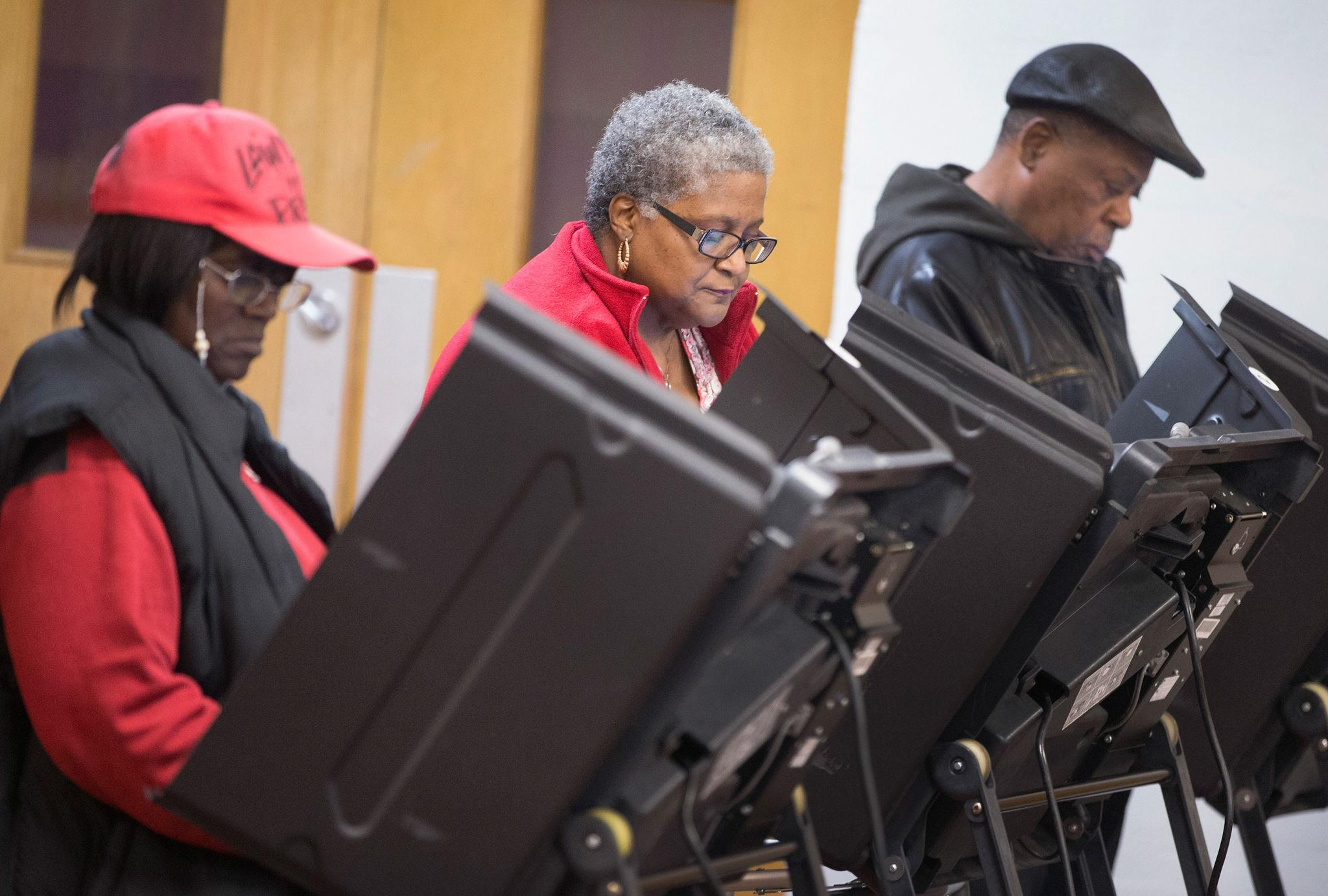
But political representation presents a harder question when the campaign signs come down: What is political power worth if it does not translate into economic power?
That question deserves renewed attention because the economic numbers remain stubborn. Brookings reported in June 2026 that Black homeownership remained around 45 percent, compared with roughly 74 percent for white households. The same analysis pointed to continuing affordability pressures and elevated Black unemployment heading toward the 2026 midterms.
Political representation has expanded dramatically. Economic parity has not followed at anything resembling the same speed.
That disconnect may be one of the defining challenges facing Black politics in the 21st century.
Winning Elections Is Not the Same as Building Wealth
Political power matters enormously.
Elections determine who appoints judges, writes budgets, regulates businesses, funds schools, constructs transportation systems, awards government contracts, enforces civil-rights laws, and establishes housing policy.
But representation is a tool, not an economic outcome.
A Black mayor does not automatically produce Black homeownership. A Black member of Congress does not automatically create Black-owned factories. A diverse city council does not guarantee that Black businesses receive a meaningful share of municipal contracts.
Political victories must eventually collide with economic measurements.
Who owns the homes?
Who owns the businesses?
Who receives the contracts?
Who owns appreciating assets?
Who controls capital?
Who employs the community?
Those questions reveal a different map of American power.
The Homeownership Divide Is an Economic Alarm
Homeownership remains one of America’s principal mechanisms for building household wealth, yet Black Americans continue to face a profound ownership gap.
Brookings has found that housing equity has been an important source of Black wealth growth, but Black homeownership remains dramatically below white homeownership. Its analysis of Federal Reserve data also found business equity to be an important contributor to Black wealth accumulation.
Ownership alone does not erase inequality either.
Earlier Brookings research found that owner-occupied homes in majority-Black neighborhoods were valued approximately $48,000 less on average than comparable homes in neighborhoods with very few Black residents after accounting for differences in home and neighborhood quality, representing an estimated $156 billion in cumulative lost value.
That matters politically because home equity is not merely a number on Zillow.
It can become college tuition.
Startup capital.
Retirement security.
An emergency fund.
An inheritance.
The down payment on another property.
A community whose residents consistently receive less value from major assets begins the economic race carrying ankle weights.
Wealth Produces Its Own Form of Power
Money cannot replace voting rights, but wealth creates leverage that elections alone cannot provide.
Businesses employ people. Property owners influence development. Investors determine where capital flows. Entrepreneurs create supply chains. Homeowners accumulate equity. Institutions with significant assets can finance litigation, political advocacy, scholarships, media organizations, community projects, and new companies.
The Federal Reserve Bank of Minneapolis has highlighted another dimension of the wealth divide: Black Americans hold substantially less wealth than white Americans, while differences in income and asset composition affect their ability to acquire and retain appreciating investments.
This is why the discussion cannot stop at income.
A person earning $80,000 with substantial inherited assets, home equity, investments, and family financial support occupies a radically different economic position from someone earning the same salary while carrying debt and supporting relatives without accumulated wealth.
Income pays bills. Wealth changes possibilities.
Government Contracting Is Political Power Made Economic
One of the clearest opportunities for converting political representation into economic development is government procurement.
Cities, counties, states, school districts, transit systems, and federal agencies collectively spend enormous sums purchasing construction, technology, professional services, transportation, food, equipment, consulting, and countless other goods and services.
Black political leadership should therefore be evaluated not merely by who occupies government offices but by what those governments actually do.
Are procurement systems accessible to smaller businesses?
Are contracts routinely structured so only enormous corporations can realistically compete?
Are minority-business programs producing durable companies or simply impressive-looking annual reports?
Are Black-owned companies graduating from subcontractors into prime contractors?
Those are economic-power questions disguised as administrative policy.
Black Politics Needs an Ownership Agenda
The next phase of Black politics should treat ownership as seriously as representation.
That means examining policies affecting homeownership, entrepreneurship, access to capital, employee ownership, retirement savings, land ownership, government procurement, inheritance, neighborhood development, and financial assets.
It also means rejecting the false choice between structural reform and individual economic responsibility.
People should save, invest, build businesses, improve credit, purchase assets when feasible, and develop financial knowledge.
But government policy determines much of the terrain on which those decisions occur.
Political power can change that terrain.
Representation Must Produce Results
None of this diminishes the historic importance of Black political representation.
It raises the standard for what representation should accomplish.
The ultimate objective cannot simply be placing Black faces inside institutions that continue producing enormous economic disparities.
Political power reaches maturity when it becomes capable of changing material conditions.
The question for the next generation of Black political leadership therefore should not simply be “How many seats did we win?”
It should also be:
What did we build once we sat in them?
—Barrington Williams, B1Daily






Leave a Reply