—Kerry Hill, B1Daily
Koran Irvine was supposed to come home from work. Instead, his family is preparing for a future without him while the retired police detective accused of killing him remains free on bail.
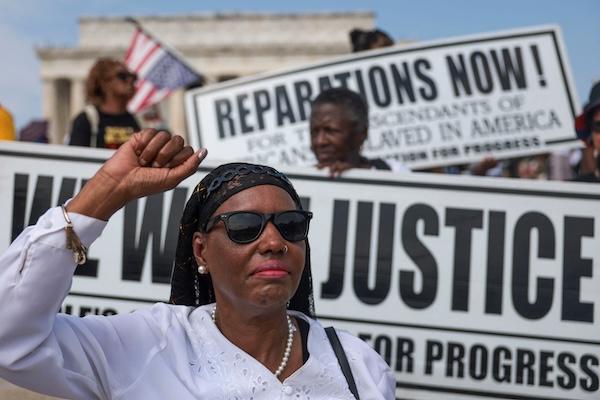
On October 27, hundreds of grieving relatives, friends, Con Edison employees, and concerned New Yorkers gathered in Manhattan’s Foley Square to demand justice for Irvine, a 46-year-old husband, father of two, and utility worker whose life was violently cut short on the George Washington Bridge.
The rally was more than a demonstration against an accused killer. It was a public remembrance of a man whose family, friends, and coworkers described him as generous, hardworking, and deeply devoted to the people he loved.
It was also a protest against a criminal justice system that Irvine’s family believes has treated the former police officer accused of killing him with extraordinary leniency.
A Father Killed on His Way Home
On October 20, Irvine was driving home after working overtime when he encountered Victor Romero, a 62-year-old retired NYPD detective, on the George Washington Bridge.
According to prosecutors, the two drivers nearly collided while changing lanes. Surveillance footage allegedly shows Romero aggressively following Irvine’s Volkswagen Golf before pulling alongside the vehicle and firing a single fatal shot.
Investigators say Romero then drove away, leaving Irvine critically wounded.
Irvine later died at a hospital.
He left behind his wife, Patricia, a 14-year-old daughter, and an 11-year-old son.
For his family, the loss is immeasurable. A routine commute became the final chapter of a life centered on family, friendship, and providing for his children.
The Man Behind the Headlines
At the rally, friends and coworkers shared memories of Irvine that went far beyond the circumstances of his death.
Childhood friend Brian Anthony Bradley remembered the two breakdancing during school lunch periods, growing into adulthood together, and eventually building families of their own.
Coworkers described Irvine as an experienced and respected Con Edison employee who mentored younger workers and helped them develop their skills.
Chris Demmerle, one of Irvine’s colleagues, explained that Irvine had personally trained him and that his absence had affected their entire work project.
His sister, Zeria Irvine, spoke about the emotional exhaustion of watching her family grieve while struggling to process her own anger.
These were not simply people protesting another violent death. They were mourning a father who would never again attend his children’s activities, a husband who would never return home to his wife, and a friend whose absence would be felt for decades.
Why Is the Accused Killer Free?
Romero’s treatment by the criminal justice system has become a central source of outrage.
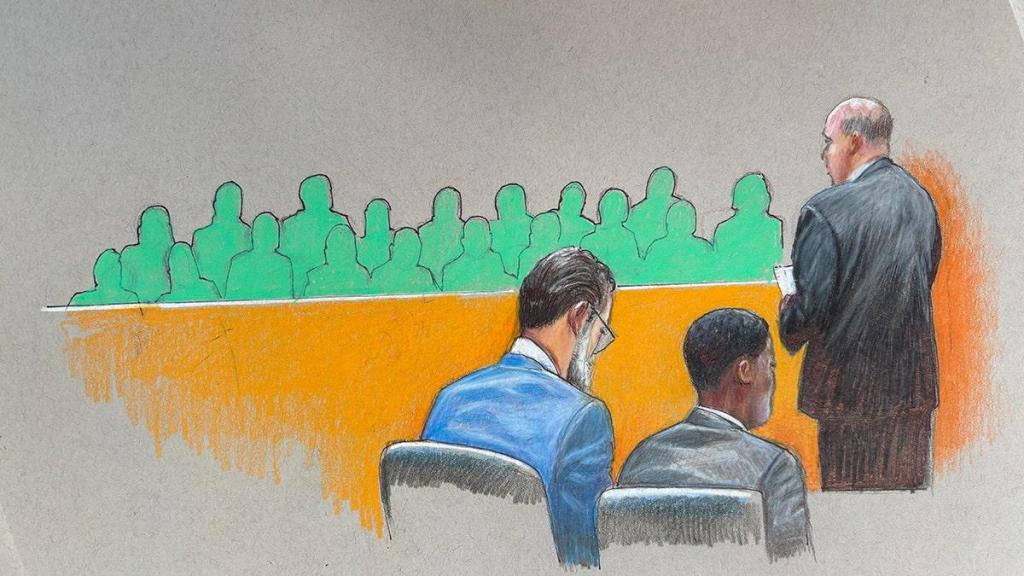
Although police initially arrested him on a murder charge, prosecutors first pursued a lesser charge of first-degree manslaughter.
Romero was subsequently released after posting $1 million bail.
Following pressure from Irvine’s family, supporters, and union representatives, a Manhattan grand jury indicted Romero on second-degree murder on October 27.
The upgraded charge represented an important development, but it did not resolve the family’s objections to his release.
Irvine’s relatives have questioned whether an ordinary defendant accused of a similar killing would receive the same opportunity to remain outside jail.
His aunt, Gale Forde, publicly challenged the decision to permit bail, asking whether the same privilege would be extended to someone else’s child.
Family attorney Keith White has called for Romero’s bail to be revoked.
The decision to grant bail does not establish that authorities are deliberately protecting Romero because of his former profession. But the family’s concerns about equal treatment deserve a transparent explanation.
A Family Demanding Justice, Not Special Treatment
The rally also brought attention to the wider question of accountability when former law enforcement officers are accused of serious crimes.
Romero retired from the NYPD in 2001. His previous police career does not establish guilt in this case, nor does it legally exempt him from prosecution.
He remains presumed innocent unless convicted.
Nevertheless, the allegations are exceptionally serious. Prosecutors contend that a traffic dispute escalated into a fatal shooting and that Romero fled the scene.
For Irvine’s family, the contrast is unbearable.
Their loved one cannot return home. The man accused of killing him has been permitted to do so while awaiting trial.
Union representatives joined the family’s demand that Romero face the same legal standards as any other defendant accused of homicide.
Koran Irvine Must Not Become Another Forgotten Name
The October 27 rally demonstrated the depth of Irvine’s impact on those around him.
Hundreds gathered not because he was famous or politically connected, but because his life mattered to the people who knew him.
He was a husband, father, colleague, mentor, and friend.
His death has also raised difficult questions about road-rage violence, firearm responsibility, prosecutorial decisions, and whether former police officers receive preferential treatment within the justice system.
Those questions deserve serious examination as Romero’s criminal case proceeds.
Koran Irvine’s family is asking for something fundamental: a fair prosecution, meaningful accountability, and a justice system that treats their loved one’s life with the dignity it deserves.
For the people who gathered in Foley Square, the demand remains clear.
Justice for Koran Irvine.
—Kerry Hill, B1Daily


Leave a Reply