—Barrington Williams, B1Daily
Texas delivered one of the most dramatic political reversals of the 2026 midterm elections. Democrats captured the governorship, flipped a U.S. Senate seat, and made significant gains in North Texas counties that had long favored Republicans.
But beneath the headlines about inflation, immigration, and political dissatisfaction was another controversy that had already shaken the state’s Black community: the prosecution and conviction of Karmelo Anthony.
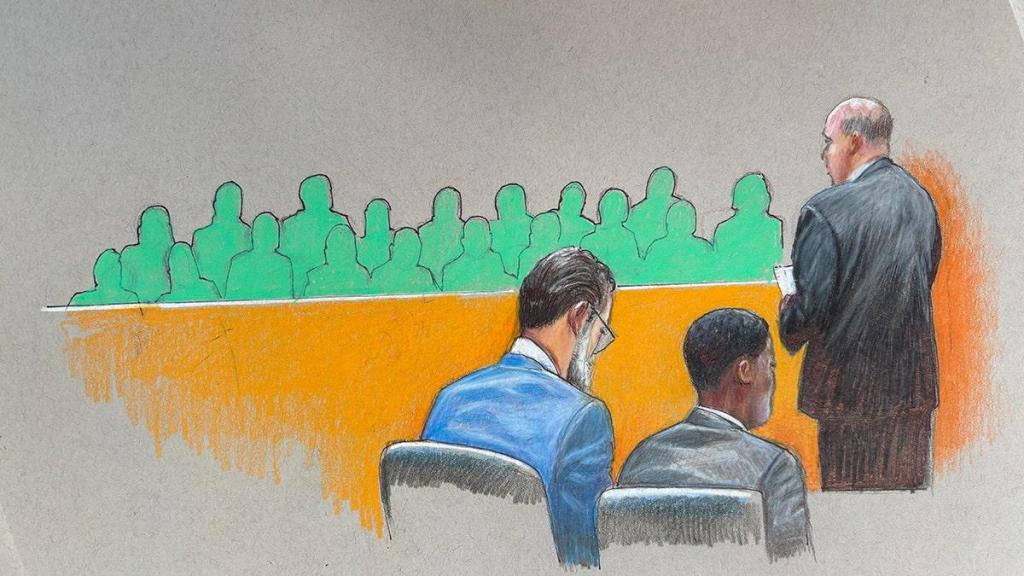
Anthony, a Black teenager, was convicted of murder in June 2026 for fatally stabbing Austin Metcalf, a white 17-year-old, during a confrontation at a Frisco high school track meet in April 2025.
Anthony maintained that he acted in self-defense. Prosecutors argued that the stabbing constituted murder, and a jury agreed, sentencing him to 35 years in prison.
For supporters who questioned the fairness of his prosecution, the verdict became a symbol of broader concerns about race, jury selection, and equal treatment under Texas law.
Five months later, Collin County, the very county where Anthony was tried, voted Democratic in major statewide races.
The geographic overlap is striking. Whether the controversy contributed meaningfully to the election results is a different question.
The Verdict That Divided North Texas
The Anthony trial became a national flashpoint over race and criminal justice.
The defense argued that Anthony feared for his safety during the confrontation. Prosecutors disputed that account, maintaining that his actions were not legally justified.
But the controversy extended beyond the evidence surrounding the stabbing.
During jury selection, prosecutors removed three prospective Black female jurors. Anthony’s attorneys challenged those removals, arguing that the prosecution had improperly excluded jurors based on race.
Prosecutors denied racial discrimination and said the jurors were removed because they worked as educators, a consideration they regarded as relevant to a case involving teenagers at a school athletic event.
The judge rejected the defense’s objection.
Ultimately, no Black jurors served on the jury that convicted Anthony.
For some Black observers, that absence raised troubling questions about representation and fairness in a case already charged with racial tension.
Black Supporters Condemned the Verdict
The guilty verdict triggered emotional reactions outside the Collin County courthouse.
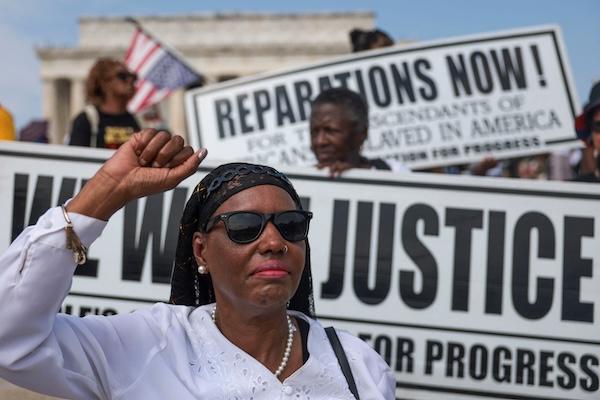
Some women who had gathered to support Anthony and his family told CBS Texas that they were heartbroken and believed the justice system had failed him.
Democratic lawmakers also questioned the proceedings.
Texas Congressman Christian Menefee criticized the jury-selection process and raised concerns about whether Anthony had received equal treatment under the law. Other lawmakers called for closer examination of the evidence and the legal proceedings.
These objections did not establish that the verdict was legally invalid or racially motivated. They did, however, demonstrate that the trial had become a broader controversy over the credibility of the criminal justice system.
Anthony’s attorneys subsequently sought a new trial, alleging procedural and constitutional violations. In August, a judge denied that request, and the defense announced plans to continue appealing.
The prosecution maintained that the conviction was supported by the evidence and that the proceedings were fair.
Then Collin County Turned Democratic
On November 3, Texas voters produced results that would have seemed remarkable just two years earlier.
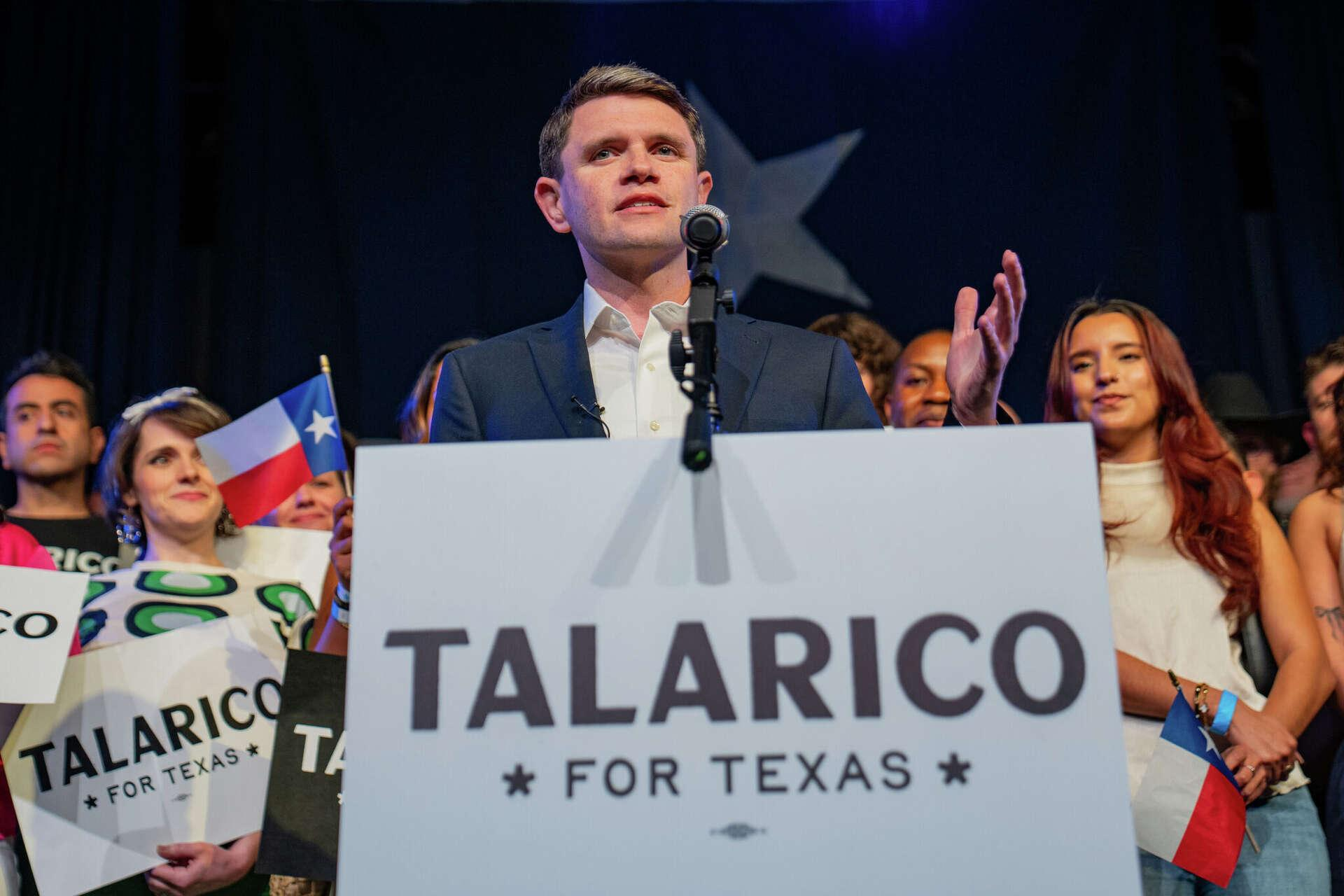
Democrat James Talarico defeated Republican Ken Paxton in the U.S. Senate race. Democratic gubernatorial candidate Gina Hinojosa defeated Republican incumbent Greg Abbott.
The Democratic gains extended into the Dallas-Fort Worth suburbs, including Collin County.
In the 2024 presidential election, Donald Trump carried Collin County with approximately 54% of the vote.
In 2026, the county supported Talarico with approximately 55.1% and Hinojosa with 51.5%.
The transformation was not confined to Collin County. Democrats also made substantial gains in Tarrant and Denton counties, suggesting a broader political shift across North Texas.
The results raise a provocative question: Did the anger surrounding Anthony’s prosecution contribute to the political environment in which these Republican strongholds turned Democratic?
A Possible Connection, Not a Proven Cause
The Anthony controversy occurred in the same county that later experienced a significant Democratic shift. It also involved questions about criminal justice that have historically influenced political organizing among Black Americans.
However, no reliable countywide exit polling or voter study identified in the available reporting establishes that the Anthony verdict caused the Democratic gains.
Election analysts have instead emphasized economic dissatisfaction, affordability concerns, national Republican policies, and changing suburban voting patterns.
Those explanations are supported by broader election reporting.
The Anthony case may have influenced some individual voters, particularly those who regarded the proceedings as evidence of unequal treatment. But establishing its actual effect would require interviews, polling, or turnout analysis connecting voters’ decisions directly to the case.
Without that evidence, describing Anthony as the person who turned Texas blue would mistake a compelling political narrative for a demonstrated electoral fact.
The Bigger Question for Texas Democrats
The election nevertheless creates an important opportunity to examine the concerns raised during Anthony’s trial.
Texas Democrats now face questions about whether their electoral gains will translate into changes to criminal justice oversight, jury-selection practices, prosecutorial accountability, and the protection of defendants’ constitutional rights.
The controversy also underscores a distinction that often disappears during heated political debates.
A person can recognize the tragedy of Austin Metcalf’s death, respect his family’s loss, and still insist that Anthony receive every protection guaranteed under the Constitution.
Likewise, criticism of jury selection does not require assuming that every juror acted with racial prejudice or that the evidence could not support a conviction.
A fair justice system must be capable of addressing both the victim’s death and legitimate questions about the defendant’s treatment.
Texas Changed Politically. Will Its Justice System Change?
The 2026 midterms demonstrated that even longstanding Republican strongholds in Texas are capable of dramatic electoral shifts.
The Karmelo Anthony case demonstrated something different: how quickly a criminal prosecution can become a national debate about race, fairness, and institutional trust.
Those developments occurred within months of each other, in the same political landscape.
Whether they were causally connected remains uncertain.
What is clear is that Anthony’s supporters raised concerns that will not disappear simply because the election is over.
Texas voters changed the political leadership of their state. The next test is whether the institutions responsible for administering justice will face the same level of public scrutiny.
—Barrington Williams, B1Daily



Leave a Reply