—Jermichael Evers, B1Daily
America’s largest technology corporations spent years presenting themselves as champions of environmental sustainability. They promised cleaner energy, carbon neutrality, and a future in which technological innovation would help solve the climate crisis.
Now their own environmental reports are exposing a contradiction.
Microsoft, Google, and Amazon collectively reported approximately 119 million metric tons of greenhouse gas emissions in their latest annual disclosures, an increase of nearly 20% over the previous reporting year.
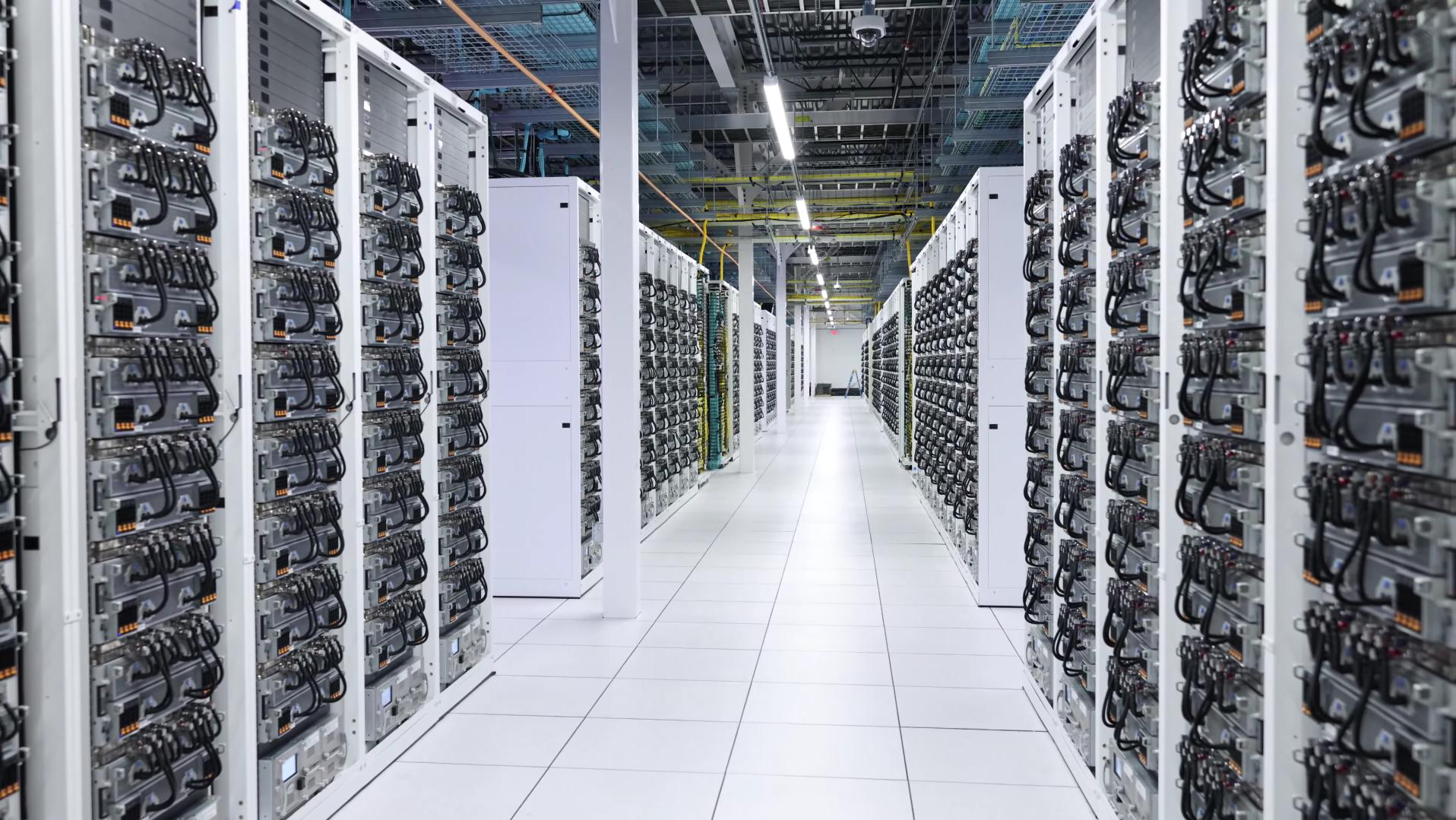
Microsoft’s emissions climbed 25%, Google’s rose 18%, and Amazon’s increased 16%. These figures do not represent a doubling in one year, but they reveal a significant reversal for corporations that have publicly committed themselves to reducing their environmental footprints.
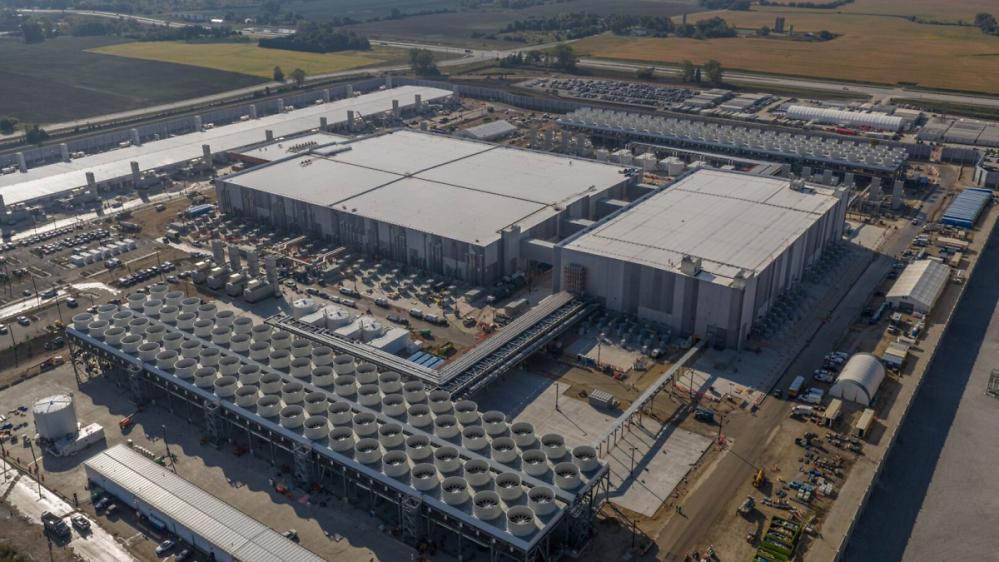
The driving force is the explosive construction of hyperscale data centers, enormous industrial facilities housing thousands of servers that power artificial intelligence, cloud computing, and digital services.
The supposedly weightless digital economy is becoming an increasingly resource-intensive industrial machine.
AI Has an Enormous Physical Footprint
Artificial intelligence may exist on computer screens, but the infrastructure behind it requires extraordinary amounts of electricity, construction materials, cooling equipment, and water.
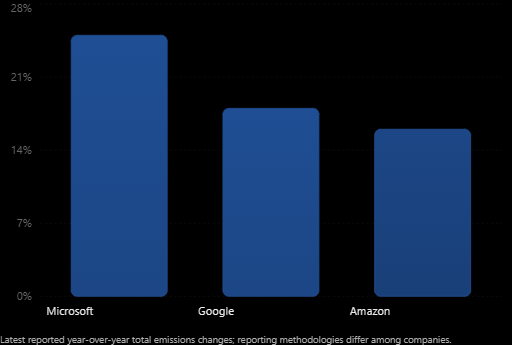
Hyperscale data centers operate around the clock, processing immense quantities of information while consuming electricity to power servers and prevent overheating.
Building these facilities also creates emissions before a single server begins operating. Steel production, concrete manufacturing, semiconductor fabrication, transportation, and construction all contribute to their environmental footprint.
Microsoft attributed much of its latest emissions increase to expanding data center infrastructure. Amazon similarly identified data center growth as a major contributor to its rising carbon footprint.
Google’s electricity demand has also surged as the company expands its AI infrastructure.
The environmental consequences extend far beyond the electricity consumed by individual computers. They include the industrial supply chains required to construct and repeatedly upgrade entire computing campuses.
America’s Power Grid Is Being Rebuilt Around Big Tech
The scale of this expansion is staggering.
A Harvard-led study examining 403 American hyperscale data centers operating between May 2024 and April 2025 estimated that they consumed at least 2.1% of the nation’s electricity.
Nearly 60% of that electricity was associated with fossil fuel generation, producing more than 52 million tons of carbon dioxide.
That raises a serious question about the direction of America’s energy transition.
Utilities are preparing for extraordinary increases in electricity demand, much of it associated with artificial intelligence. In some regions, natural gas generation is being expanded to satisfy the needs of data center operators.
The result could be decades of additional fossil fuel infrastructure, even as corporations continue announcing renewable energy purchases and long-term carbon reduction goals.
Purchasing renewable electricity certificates does not necessarily mean a data center operates on carbon-free electricity every hour. The physical electricity grid still determines which power plants respond when demand rises.
Communities May Bear the Environmental Costs
The consequences of hyperscale development are not limited to corporate sustainability reports.
Communities hosting these facilities may face increased pressure on electricity infrastructure, water resources, industrial land, and local environmental conditions.
Water-intensive cooling systems can become contentious in regions already struggling with drought or limited municipal supplies. New gas-fired power plants can introduce additional air pollution concerns, while transmission expansion and electrical upgrades create difficult questions about who should pay for infrastructure.
These concerns are particularly important for lower-income communities that may already experience disproportionate industrial pollution.
Data centers can generate construction employment, tax revenue, and investment. However, those benefits must be weighed against their long-term operating demands and the possibility that infrastructure costs will be distributed across residential and commercial electricity customers.
The public deserves to know whether its utility bills and natural resources are helping subsidize the expansion of some of the wealthiest corporations on Earth.
Climate Promises Are Colliding With Corporate Expansion
Microsoft continues pursuing its ambition to become carbon negative by 2030. Google has also maintained major climate commitments, while Amazon targets net-zero carbon emissions by 2040.
These companies are investing heavily in renewable energy, advanced cooling technologies, efficiency improvements, and emerging low-carbon power sources.
Those investments matter, but they do not erase the increases appearing in their emissions disclosures.
A corporation can improve the efficiency of each computing operation while simultaneously increasing its total environmental impact by expanding infrastructure faster than efficiency gains can compensate.
That is the fundamental problem confronting Big Tech.
Artificial intelligence may become more energy-efficient per task, yet the sheer number of tasks, users, models, and data centers can drive overall resource consumption higher.
Efficiency without limits on total demand does not guarantee environmental progress.
The Environmental Bill for the AI Boom Is Coming Due
The technology industry increasingly describes artificial intelligence as essential to economic competitiveness, scientific advancement, and national security.
Those potential benefits deserve consideration. So do the environmental costs.
Governments should require transparent reporting of data center electricity demand, water consumption, construction emissions, and the sources of power serving individual facilities.
Utilities and regulators must also determine how infrastructure costs are allocated and whether additional fossil fuel generation is consistent with long-term climate objectives.
The central issue is not whether artificial intelligence should exist. It is whether corporations should be permitted to expand its physical infrastructure at extraordinary speed while treating the resulting environmental consequences as secondary concerns.
Silicon Valley cannot market itself as the architect of a cleaner future while allowing its expanding industrial footprint to undermine that promise.
The servers are multiplying. The electricity demand is rising. And the carbon emissions are following.
The environmental cost of artificial intelligence is no longer theoretical. It is appearing in the numbers published by the technology companies themselves.
—Jermichael Evers, B1Daily





Leave a Reply