
—Michael Lyles, B1Daily
America’s rental market has developed an extraordinary contradiction: You can have enough money to pay your rent every month and still be told you don’t earn enough to qualify for an apartment.
The culprit is the increasingly familiar three-times-the-rent requirement, a screening standard under which landlords demand that prospective tenants demonstrate monthly income equal to at least three times the advertised rent.
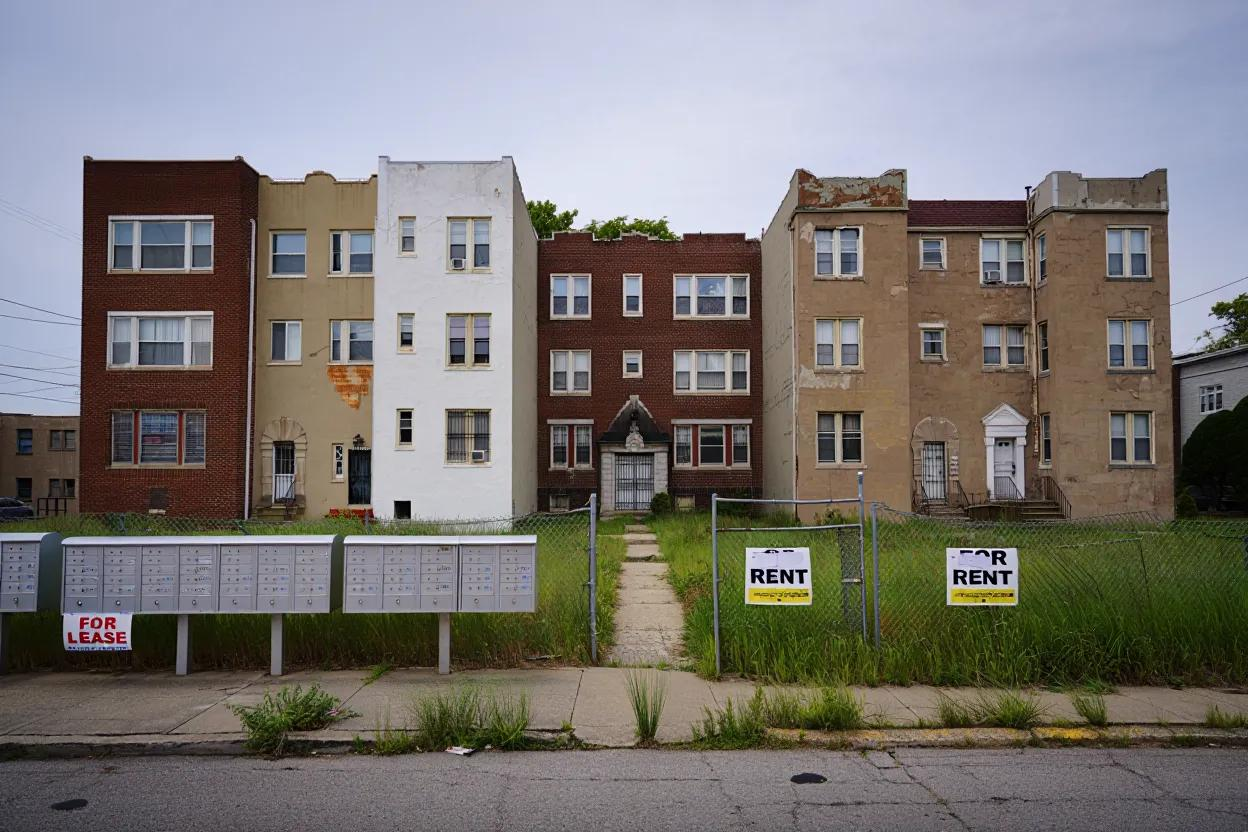
Consider a modest apartment renting for $1,500 per month. Under this formula, an applicant must earn $4,500 monthly, or $54,000 annually, just to qualify.
Someone earning $45,000 a year could have excellent rental references, no eviction history, and years of consistent payments, yet still face automatic rejection.
This is not a federal legal requirement. It is a landlord screening practice, and its widespread use raises serious questions about whether housing decisions have become disconnected from people’s actual ability to pay.
When Did Housing Become a Privilege for Higher Earners?
Landlords defend income requirements as a way to reduce the risk of missed rent payments. That concern is legitimate. Property owners have mortgages, maintenance expenses, insurance, and taxes to pay.
But a rigid income multiplier treats every applicant as though their financial circumstances are identical.
A person earning $3,500 monthly with no debt, substantial savings, and a spotless rental history might be financially better positioned than someone earning $5,000 while carrying enormous monthly obligations.
Yet the higher earner automatically passes the income test while the more financially stable applicant may be rejected.
The formula substitutes a crude numerical shortcut for a meaningful evaluation of affordability.
Worse, it ignores the reality that many Americans already devote more than 30% of their income to housing because wages have failed to keep pace with rental costs.
The Rule Punishes People on Fixed Incomes
The consequences are especially severe for retirees, people receiving disability benefits, and other Americans whose monthly incomes are predictable but limited.
A person receiving $2,000 in monthly retirement or disability income might reliably afford a $900 apartment, particularly with limited debt and a careful budget.
But a landlord demanding three times the rent would require $2,700 in monthly income.
That applicant could be excluded before anyone considers their actual payment history.
This is where the policy becomes particularly difficult to defend. A stable income is not necessarily an inadequate income simply because it falls below an arbitrary multiplier.
Housing providers should evaluate whether rent can realistically be paid, rather than automatically treating lower-income applicants as unacceptable tenants.
Landlords Want Guarantees That Ordinary Workers Cannot Provide
The three-times rule also exposes an imbalance in the rental relationship.
Tenants are expected to demonstrate financial security in a labor market where employers can reduce hours, eliminate jobs, and leave workers struggling with unpredictable expenses.
Meanwhile, landlords can raise rents when legally permitted, impose application fees, and use screening systems that exclude applicants before their individual circumstances are reviewed.
The tenant must prove financial resilience. The landlord is rarely required to prove that the rent is proportionate to local wages.
A household earning $48,000 annually might be unable to qualify for a $1,400 apartment under the three-times rule, even though that apartment could be among the more affordable options available in its community.
What is the alternative supposed to be? A cheaper apartment that does not exist?
When rental prices rise faster than incomes, rigid screening requirements can transform an affordability crisis into an access crisis.
There Are Better Ways to Evaluate Tenants
Opposing the three-times requirement does not mean landlords should be prohibited from assessing financial risk.
It means those assessments should be more reasonable and individualized.
Rental history, verifiable savings, existing financial obligations, consistent income, and documented records of timely payment can provide a more complete picture than a single income ratio.
Housing providers could also consider lower income thresholds, allow applicants to demonstrate alternative financial resources, and offer individualized reviews instead of automatic rejection.
Such policies would not guarantee that every applicant qualifies. They would simply recognize that people with different financial circumstances can still be responsible tenants.
Legislators could consider restricting inflexible income multipliers, requiring greater transparency in screening decisions, and strengthening protections against discriminatory rental practices.
Any reforms would need to account for legitimate property expenses, existing housing laws, and the financial risks faced by smaller landlords.
Housing Policy Should Reflect Economic Reality
The three-times-the-rent rule did not create America’s housing shortage, but it can make that shortage more punishing.
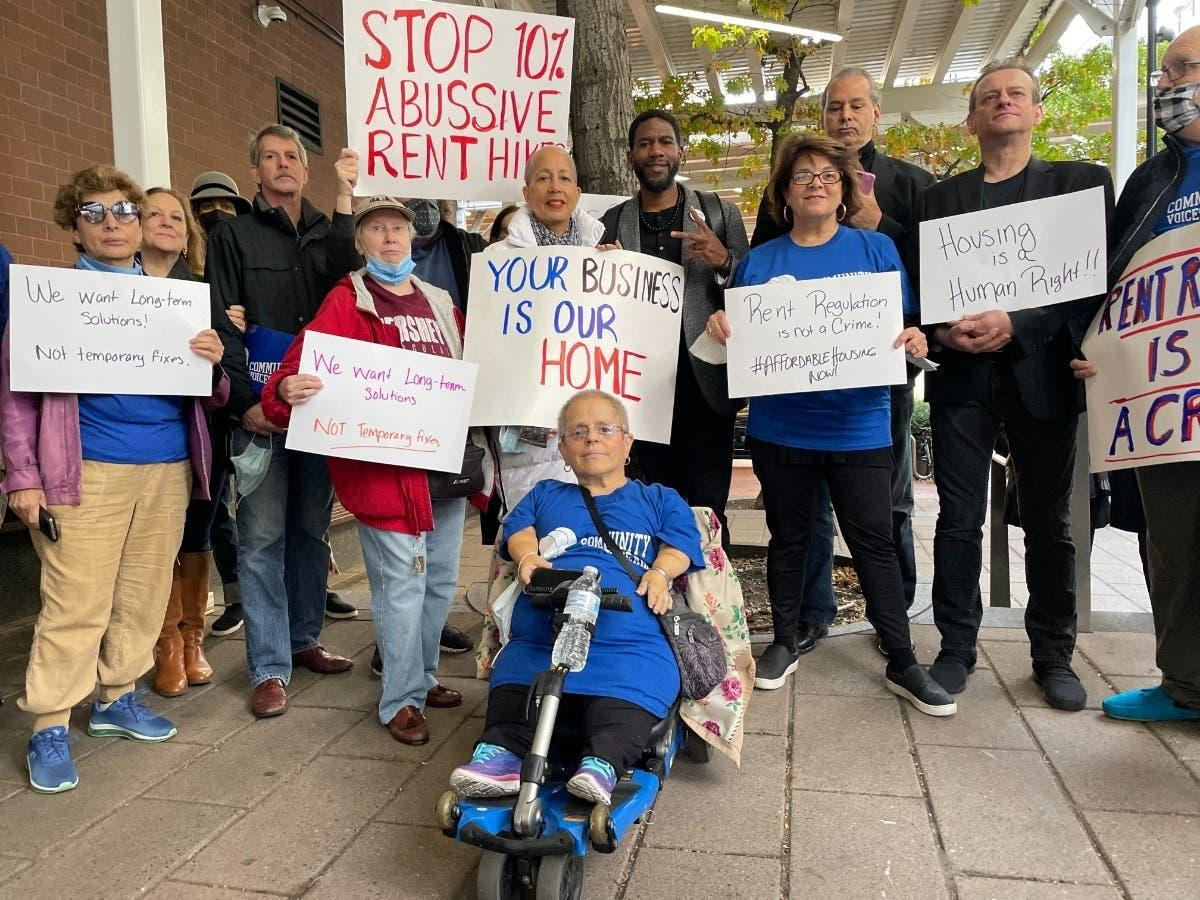
It creates another obstacle for workers whose wages have not kept pace with housing costs, families trying to escape overcrowded living arrangements, and people surviving on fixed incomes.
A society cannot repeatedly acknowledge that rents are unaffordable while allowing housing providers to demand income levels that millions of otherwise responsible applicants cannot demonstrate.
The fundamental question should be whether a prospective tenant can reasonably sustain the rent, not whether they satisfy a rigid formula designed for an increasingly unrealistic housing market.
Landlords deserve protection against genuine financial risk. Renters deserve an opportunity to demonstrate that they can meet their obligations.
A person who can reliably pay the rent should not be automatically denied housing simply because they cannot prove they earn three times as much.
—Michael Lyles, B1Daily





Leave a Reply