Since Donald Trump entered presidential politics in 2015, Democrats have warned Americans about corruption, abuses of executive authority, and the dangers of allowing powerful officials to operate without meaningful oversight.
They have campaigned on accountability, promised congressional investigations, and repeatedly argued that the Trump administration must be held to constitutional standards.
Then came November 10, 2026.
The House of Representatives considered a procedural motion that would determine whether impeachment proceedings against Defense Secretary Pete Hegseth could advance. Republicans moved to send the articles to the House Judiciary Committee, effectively halting the effort for the remainder of the current Congress.
The motion passed 211–204.
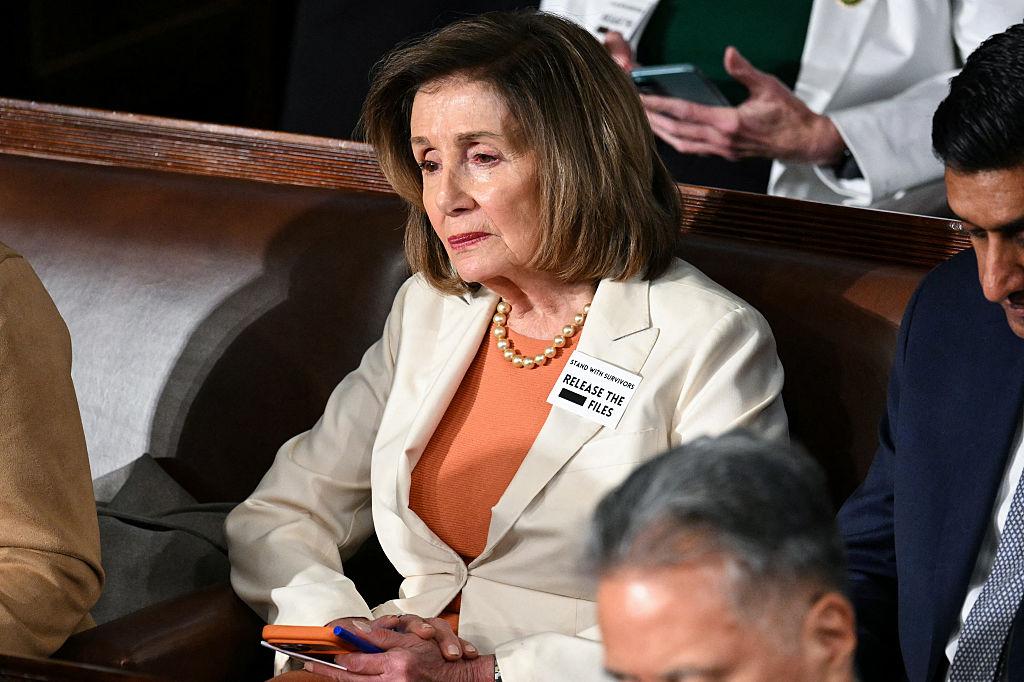
Eleven Democrats were absent.
Seven Republicans also missed the vote, but the Democratic absences proved consequential. Had those 11 Democrats participated and voted alongside their colleagues, the motion would have failed.
For a party that has spent years emphasizing the importance of confronting alleged misconduct within Trump’s administration, the result presents a serious political contradiction.
A Republican Did What Democrats Had Promised
The impeachment effort did not originate with Democratic leadership.
It came from Republican Congressman Thomas Massie of Kentucky, who introduced eight articles of impeachment against Hegseth on November 9.
Massie’s allegations included conducting military operations against Iran without proper congressional authorization, violating laws intended to protect civilians, overseeing unlawful military strikes against suspected drug traffickers, and retaliating against Democratic Senator Mark Kelly.
These are allegations contained in impeachment articles, not judicial findings that Hegseth committed crimes.
Hegseth rejected the accusations, characterizing the effort as a political spectacle and arguing that disagreements over military policy did not constitute impeachable offenses.
Nevertheless, the allegations involved consequential questions about executive authority, congressional war powers, and the legal limits of military operations.
For Democrats who have consistently called for investigations into the Trump administration, the proceedings presented an opportunity to advance congressional scrutiny.
Instead, the effort was stopped before the House could vote directly on impeachment.
The Numbers Tell the Story
The House voted 211–204 to refer Massie’s impeachment resolution to the Judiciary Committee.
Every Democrat who voted opposed the referral. Massie was the only Republican to join them.
| Representative | State |
|---|---|
| Julia Brownley | California |
| Lou Correa | California |
| Laura Gillen | New York |
| Steven Horsford | Nevada |
| Jonathan Jackson | Illinois |
| Nancy Pelosi | California |
| Brittany Pettersen | Colorado |
| Melanie Stansbury | New Mexico |
| Haley Stevens | Michigan |
| Marilyn Strickland | Washington |
| Frederica Wilson | Florida |
The remaining Republicans supported the procedural move, while 18 lawmakers were absent.
Eleven of those absent lawmakers were Democrats.
Among them were former House Speaker Nancy Pelosi, Michigan Congresswoman Haley Stevens, and Nevada Congressman Steven Horsford.
Horsford’s office subsequently explained that a personal emergency prevented him from participating. His staff said he supported impeachment and intended to enter a statement into the Congressional Record explaining how he would have voted.
That distinction matters. An absence does not automatically establish indifference, and the reasons for every missed vote should be examined individually.
But the collective consequence remains clear.
Democrats had enough potential votes to defeat the referral motion if their absent members had participated and opposed it.
The result allowed Republican leaders to prevent the impeachment articles from advancing.
Where Was Democratic Leadership?
House Democratic leader Hakeem Jeffries now faces questions about how his caucus managed a vote with significant political and constitutional implications.
Congressional leaders cannot guarantee the attendance of every member, particularly when personal emergencies or other unavoidable circumstances arise.
But coordinating attendance for consequential votes is a fundamental responsibility of party leadership.
The impeachment proceedings were not an obscure piece of legislation buried in a crowded congressional calendar.
They concerned the defense secretary of an administration Democrats have repeatedly accused of exceeding constitutional limits.
The narrow margin also made attendance especially important.
Democratic lawmakers who participated voted consistently against the Republican referral motion. The failure was therefore not a division over how to vote, but the inability to assemble enough members to defeat it.
For a party preparing to assume control of Congress in January, the episode raises questions about its organizational readiness.
Trump Celebrates While Democrats Explain
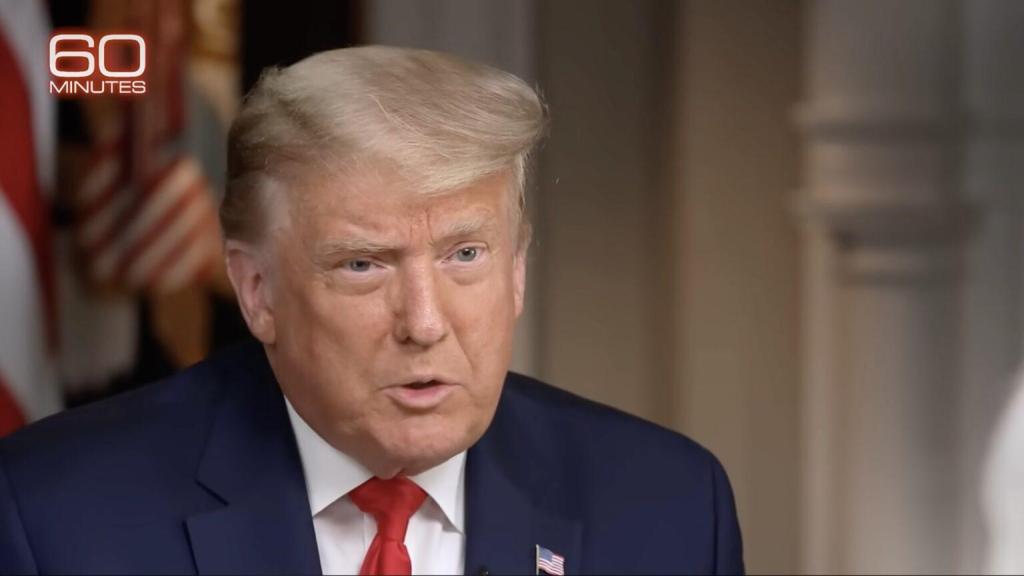
President Trump quickly celebrated the outcome, presenting the House vote as a vindication of Hegseth.
But the vote was not an acquittal, nor did it establish that the allegations were unfounded.
Lawmakers voted on whether to refer the impeachment resolution to committee, not whether Hegseth had committed impeachable offenses.
Nevertheless, the political effect was unmistakable.
Trump and Hegseth emerged from the proceedings with the immediate impeachment threat contained, while Democrats were left confronting questions about their attendance.
That is a striking outcome considering that the effort originated with a Republican willing to challenge his own administration.
Massie’s willingness to introduce the articles created an unusual opportunity for bipartisan scrutiny.
The House’s procedural decision ended that opportunity for now.
Accountability Requires More Than Campaign Speeches
The Democratic Party’s argument that Trump administration officials should face meaningful oversight has been a central feature of its political message.
But accountability is not achieved through press conferences, campaign advertisements, or statements condemning alleged misconduct.
It requires congressional action.
That means participating in votes, coordinating legislative strategy, conducting investigations, and establishing a factual record capable of supporting constitutional remedies.
The Hegseth vote illustrates the difference between expressing a position and successfully acting on it.
Democrats who opposed the referral demonstrated their position through their votes. The absent members, regardless of their individual reasons, were unable to contribute to the outcome.
The result also demonstrates how congressional procedure can determine whether serious allegations receive further consideration.
A party can have the votes to advance an issue in theory and still lose because those votes are not present when needed.
January Offers Another Opportunity
The impeachment effort is not necessarily finished permanently.
Democrats are scheduled to assume control of the House in January, creating an opportunity to reconsider the allegations through investigations, hearings, or a renewed impeachment resolution.
Jeffries has indicated that Democrats may revisit the matter when the new Congress convenes.
That future opportunity, however, does not erase what occurred on November 10.
The current House had a chance to reject the procedural maneuver that stopped the impeachment effort. Eleven absent Democrats meant the party could not assemble the votes necessary to do so.
Whether Hegseth’s conduct ultimately warrants impeachment remains a separate constitutional question requiring evidence, investigation, and congressional judgment.
The immediate issue is whether Democratic leaders can organize their caucus effectively when those questions reach the House floor.
The Difference Between Opposition and Oversight
For years, Democratic candidates have argued that defending constitutional government requires confronting abuses of executive power.
The November 10 vote provided a practical test of that commitment.
Most House Democrats participated and opposed the motion that blocked further impeachment proceedings. Eleven did not vote, including at least one member whose office reported a personal emergency.
The reasons for those absences should be established before assigning individual blame.
But the party’s leadership still has a responsibility to explain how a consequential vote was lost when the potential votes existed to defeat the Republican maneuver.
Trump celebrated. Hegseth remained in office. The impeachment resolution went to committee.
And Democrats were left with an uncomfortable reminder that effective opposition requires more than identifying alleged wrongdoing.
It requires showing up, organizing votes, and using the powers Congress actually possesses.





Leave a Reply