—Matt Gwinta, B1Daily
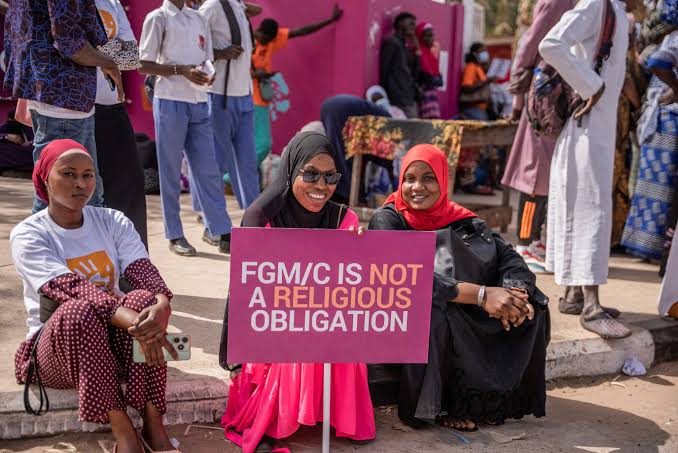
East Africa is moving toward a potentially historic regional agreement aimed at eliminating female genital mutilation (FGM), a harmful practice that continues to affect millions of women and girls across the continent.
The East African Community’s proposed Elimination of Female Genital Mutilation Bill, introduced in 2025, would establish a common legal framework across eight member states: Kenya, Uganda, Tanzania, Rwanda, Burundi, Somalia, South Sudan, and the Democratic Republic of Congo.
The legislation has completed public consultations across all eight countries, including a September 2026 hearing in Somalia.
If adopted and implemented, it could strengthen regional cooperation against a practice that has persisted despite decades of national and international efforts.
Closing the Cross-Border Loophole
One of the legislation’s central objectives is preventing families and practitioners from crossing international borders to evade national restrictions.
Several East African countries already prohibit FGM, but differences in national legislation and enforcement have complicated efforts to stop the practice.
The proposed law would establish common standards for criminalizing FGM, including cases involving cross-border movement and medical professionals who perform the procedure.
It would also introduce stronger mechanisms for information sharing, monitoring, and cooperation among governments.
Supporters argue that regional coordination is essential because national legislation alone cannot adequately address practices that cross international boundaries.
Somalia’s Participation Is Particularly Significant
Somalia’s involvement represents an important development.
According to the country’s 2020 Demographic and Health Survey, approximately 99% of women and girls aged 15 to 49 had undergone FGM.
Although Somalia’s constitution condemns the practice, the country has lacked comprehensive national legislation specifically implementing that prohibition.
The September public hearing in Mogadishu brought together lawmakers, government representatives, religious leaders, and civil society organizations.
Participants discussed how regional legislation could strengthen protections while addressing cultural practices and implementation challenges.
Somalia’s participation also completed the consultation process across the East African Community.
More Than Criminal Penalties
The proposed legislation extends beyond prosecution.
It includes measures intended to prevent FGM through education, improve access to healthcare for survivors, and establish protection mechanisms for girls considered at risk.
Courts would be able to issue protective orders, while healthcare institutions would face responsibilities relating to reporting and survivor care.
Member states would also designate national agencies to coordinate prevention and enforcement.
The proposed framework recognizes that eliminating FGM requires more than passing criminal laws.
Education, community engagement, healthcare access, and consistent enforcement are all essential to changing longstanding practices.
Implementation Remains the Major Challenge
The legislation has not yet become binding law across the region.
Following public consultations, the East African Legislative Assembly must continue reviewing and advancing the proposal through its legislative process.
Additional approval and implementation steps would be necessary before the framework could operate throughout the eight member states.
Even if adopted, enforcement could remain difficult in remote communities where healthcare resources, government services, and legal protections are limited.
Governments would need to invest in public education, survivor assistance, professional training, and coordination between law-enforcement agencies.
Without those commitments, legal reforms could produce limited changes in practice.
A Regional Test of Women’s Rights
The proposed agreement represents an important opportunity for East African governments to address a longstanding human rights and public health problem collectively.
FGM can cause severe physical and psychological harm, including infection, chronic pain, childbirth complications, and trauma.
Its elimination has become a major objective of international organizations and women’s rights advocates.
But the ultimate measure of the legislation will not be the number of governments endorsing it.
It will be whether girls are protected, survivors receive meaningful support, and authorities enforce the law consistently.
For East Africa, the proposed regional framework offers an opportunity to translate political commitments into coordinated action.
The next challenge is ensuring that those commitments become effective protections in communities across the region.
—Matt Gwinta, B1Daily


Leave a Reply