—Matt Gwinta, B1Daily
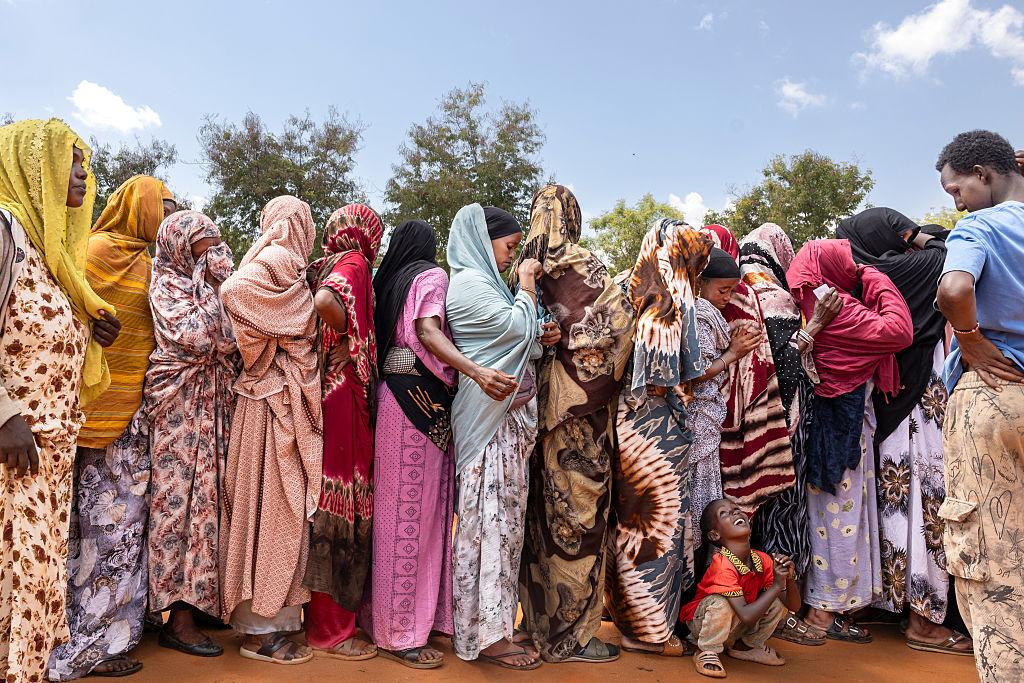
Renewed violence in Ethiopia has forced large numbers of civilians to flee into neighboring Kenya, creating a humanitarian emergency along the border near Moyale.
According to the United Nations Refugee Agency, local authorities estimated that as many as 50,000 people had crossed into Kenya following clashes that intensified in late October.
The figure remained subject to verification as humanitarian organizations continued registering displaced families.
Many of those fleeing were women and children.
Families Escape Across the Border
Displaced Ethiopians have sought refuge with relatives, host communities, and temporary shelters in schools and churches.
The sudden arrival of thousands of people has placed pressure on local infrastructure and essential services.
Food, drinking water, sanitation, medical assistance, and safe shelter are among the most urgent needs.
Humanitarian organizations have warned that overcrowding and inadequate sanitation could increase the risk of illness, particularly among children.
Kenyan communities have provided assistance, but the scale of displacement requires substantial outside support.
The United Nations Appeals for Assistance
UNHCR has deployed emergency personnel to the Moyale area and is coordinating with Kenyan authorities and international relief organizations.
The agency, alongside UNICEF, the International Organization for Migration, and the World Food Programme, sought $8.9 million to assist up to 50,000 displaced people over three months.
The proposed response includes emergency food, shelter, water, sanitation, registration, and protection services.
Aid agencies are also working to identify safer accommodation away from the border.
The need for relocation reflects concerns that violence could continue affecting communities near the crossing points.
Ethiopia’s Internal Instability Has Regional Consequences
Ethiopia has faced multiple internal conflicts and political tensions in recent years.
Violence in border regions can quickly become a regional humanitarian issue because families often seek protection in neighboring countries.
Kenya must now manage the immediate needs of displaced civilians while maintaining cooperation with Ethiopian authorities and international humanitarian organizations.
The crisis also highlights the vulnerability of communities whose livelihoods depend on cross-border trade, farming, and transportation.
When violence interrupts those activities, the economic consequences can extend well beyond the immediate conflict zone.
The Human Cost Behind the Numbers
The estimate of 50,000 displaced people represents thousands of families facing uncertainty about their homes, livelihoods, and personal safety.
For many, crossing the border means leaving behind property, employment, and relatives.
Humanitarian assistance can address immediate needs, but lasting stability depends on reducing the violence that forced people to flee.
Until that happens, Kenya’s border communities and international relief agencies will continue confronting the consequences of Ethiopia’s internal insecurity.
—Matt Gwinta, B1Daily


Leave a Reply