—Matt Gwinta, B1Daily
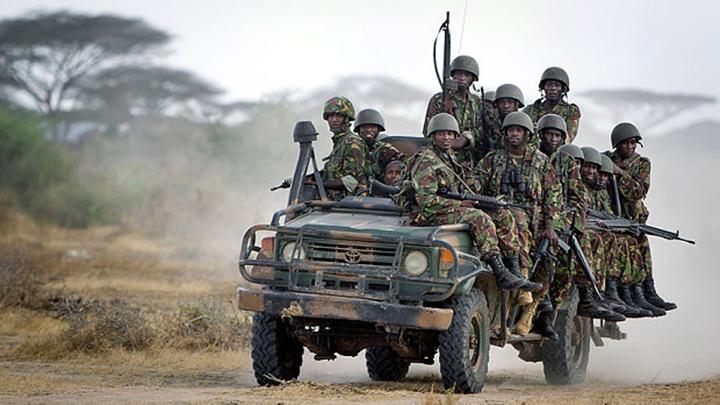
Eight people were killed Tuesday in northeastern Kenya near the Somali border, according to police and a senior regional official.
The victims included five construction workers, two police reservists, and a driver.
Authorities suspect the attack was carried out by militants associated with al-Shabaab, the Somalia-based armed organization responsible for numerous attacks across the region.
The suspected perpetrators had not been conclusively identified in the initial reporting.
Civilians Remain Vulnerable
The deaths of construction workers highlight the dangers faced by civilians working in areas affected by cross-border militant activity.
Infrastructure projects are important to economic development in northeastern Kenya, where communities depend on improved roads, public services, and transportation connections.
Attacks on workers can interrupt construction, discourage investment, and place additional pressure on local economies.
Police reservists also play an important role in security operations in remote areas where regular police resources may be limited.
Their deaths underscore the continuing risks facing personnel responsible for protecting communities near the border.
Kenya’s Long Struggle With Al-Shabaab
Kenya has faced attacks associated with al-Shabaab for years, particularly since deploying troops into Somalia in 2011.
The militant organization has targeted security forces, civilians, businesses, and public institutions.
Kenyan authorities have responded through border security operations, intelligence cooperation, and participation in regional counterterrorism efforts.
However, the long and difficult border with Somalia creates substantial challenges for preventing militant infiltration.
The latest attack demonstrates that security threats remain despite years of military and law-enforcement operations.
Security Must Include Civilian Protection
Kenya’s government faces the challenge of strengthening security while protecting the rights and livelihoods of border communities.
Effective responses require intelligence gathering, coordination with local residents, and cooperation with Somali authorities.
They also require avoiding indiscriminate measures that could alienate communities whose cooperation is essential to preventing future attacks.
As investigators work to establish responsibility, the deaths of eight people provide another reminder of the human cost of persistent insecurity along the Kenya-Somalia border.
For families in northeastern Kenya, regional counterterrorism policy is not an abstract geopolitical issue. It is a question of whether workers and residents can safely go about their daily lives.
—Matt Gwinta, B1Daily


Leave a Reply