—Travis Luyindama, B1Daily
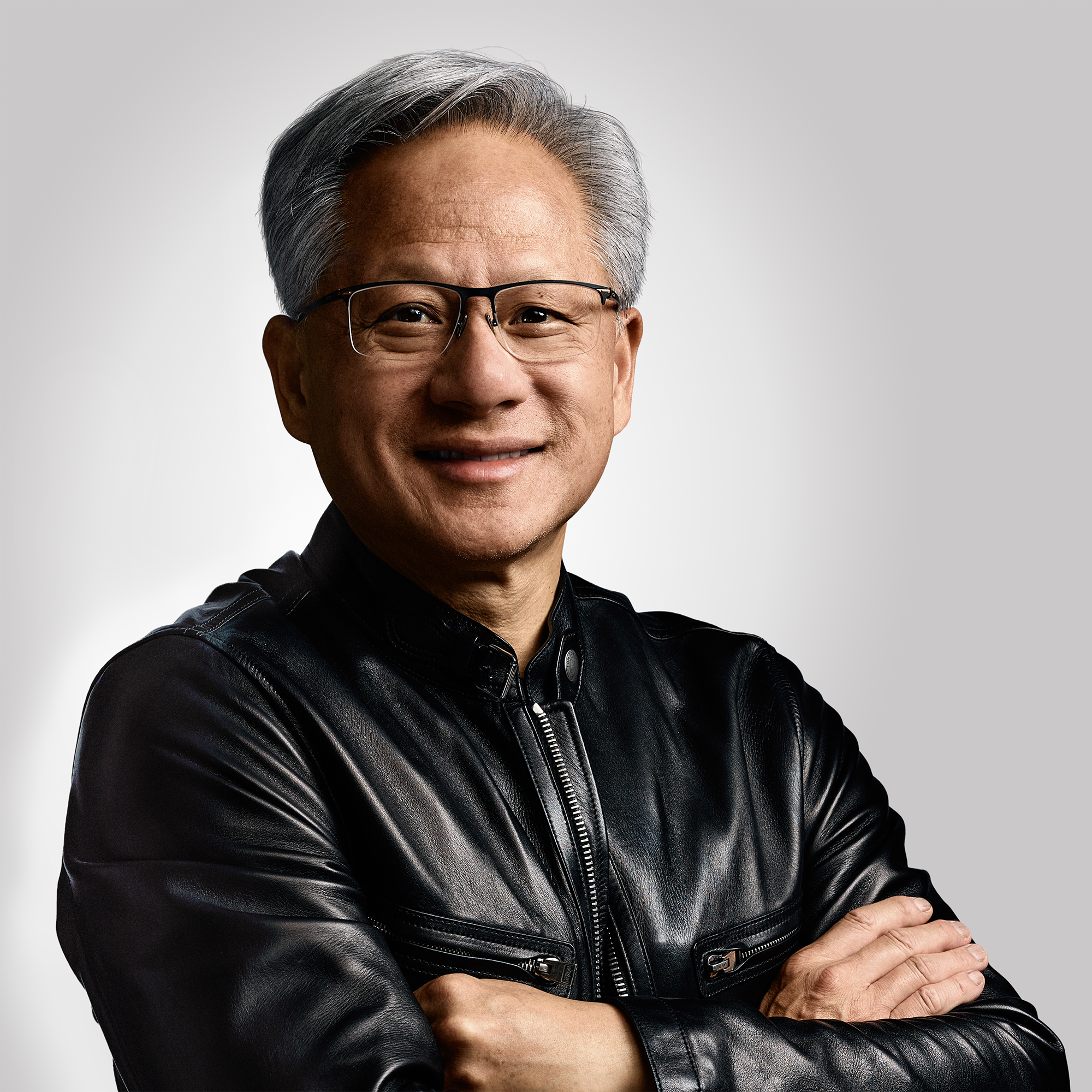
Nvidia has brought Jensen Huang back into the chief executive’s office just eleven days after his resignation, an extraordinary reversal for a company whose chips sit at the center of the global artificial intelligence race. On November 23, the board unanimously reinstated its cofounder as president, CEO and director, even as questions about a reported foreign intelligence effort involving a woman with whom Huang had a relationship remain under investigation.
The company says its directors consulted senior United States government officials and concluded that Huang’s return poses no national-security risk. President Donald Trump publicly supported his reinstatement, while employees, investors and prominent technology executives rallied around the founder. The speed of the reversal, however, raises a corporate-governance question that cannot be settled by a stock-market rally: what changed between the board’s rejection of a comeback last week and its decision to welcome him back?
The controversy began with reports that Huang had an intimate relationship with Alice Huang, a business executive whom American intelligence officials reportedly suspect of providing information to Beijing. Alice Huang is not related to the Nvidia founder. The allegations about her intelligence ties remain contested, and no public finding establishes that Jensen Huang knowingly participated in espionage or transferred protected information. Nvidia has said it has no reason to believe its secrets or national security were compromised.
That distinction matters, but it does not erase the need for scrutiny. Nvidia is not an ordinary consumer-electronics business. Its advanced processors power artificial intelligence systems, major data centers and technologies with potential military and intelligence applications. The United States has imposed export controls to restrict China’s access to certain high-performance chips. Relationships involving senior executives, major chip purchasers and suspected foreign intelligence operations therefore carry implications beyond private corporate embarrassment.
The board says an independent committee will continue investigating whether Huang was targeted by foreign intelligence. Nvidia has also established a separate National Security and Export Control Committee and announced plans to hire a chief compliance officer. These are meaningful oversight steps, but their credibility will depend on whether the company eventually provides a clear account of its findings, any security failures and the controls adopted to prevent future risks.
Congress is asking questions as well. Members of the House intelligence committee have requested a federal investigation into the reported relationship and possible exposure of sensitive technology. Separate scrutiny surrounds alleged chip diversions and export-control issues involving business networks linked to the controversy. Allegations and investigations are not convictions, and the public should not confuse the two. But neither should a reinstatement announcement be mistaken for the conclusion of every inquiry.
Huang’s defenders point to his extraordinary record building Nvidia into the dominant supplier of AI accelerators and the immense disruption caused by his departure. Those considerations explain why shareholders and technology leaders wanted him back. They do not, by themselves, answer whether the board has sufficient independence to scrutinize a founder whose personal standing and commercial influence are so closely tied to the company’s valuation.
Nvidia’s next test is transparency. Investors and the public deserve to know what the independent investigations establish, how the board evaluated national-security advice, and whether oversight will remain rigorous after the founder’s return. Huang is back in charge, but the underlying questions about intelligence targeting, export controls and corporate accountability have not disappeared with the change in his job title.
—Travis Luyindama, B1Daily


Leave a Reply