—Windward Quietist, B1Daily
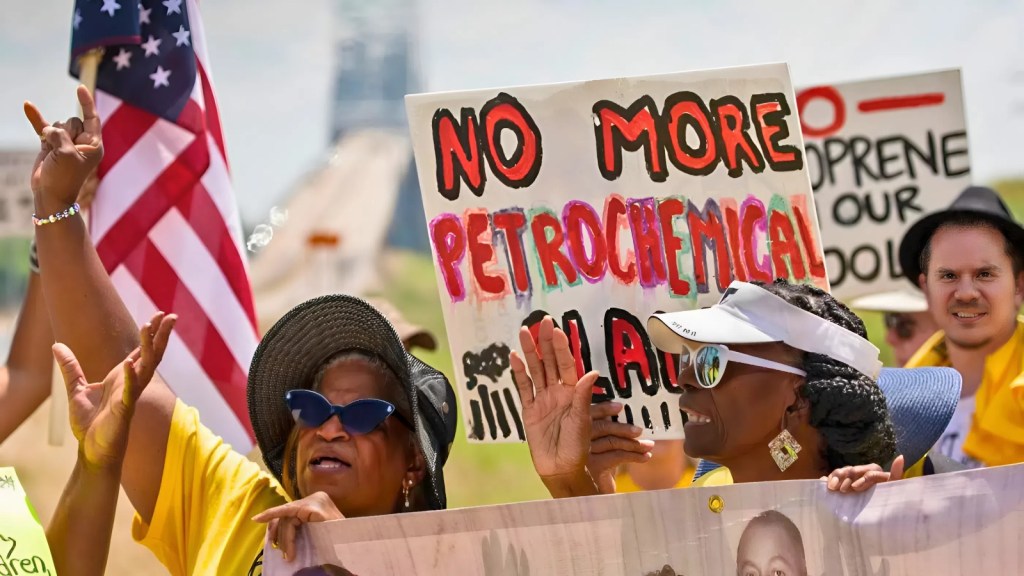
Black American communities have long been the targets of widespread environmental racism, wherein companies and industries contaminate the living areas of the residents with relative impunity.
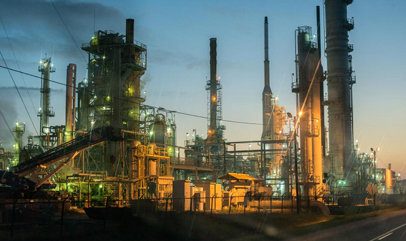
Cancer Alley is one such stretch of land along the Mississippi River in Louisiana, between Baton Rouge and New Orleans, where more than 200 petrochemical plants and refineries operate.
It was named that due to the extremely high rates of cancer and other illnesses among the residents, largely due to prolonged exposure to toxic emissions.
Clarke/Getty Images
Black organizers that live there, are combining demonstrations against environmental racism with direct interventions, notably efforts to challenge liquefied natural gas (LNG) export ventures.
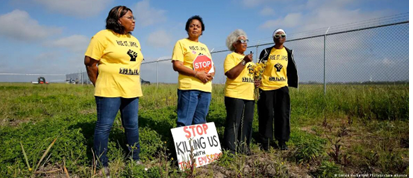
Formosa in St. James Parish, Louisiana. Gerald Herbert/AP
Some protesters have even been arrested over the years, as they practice the strategy of civil disobedience to challenge the expansion of fossil fuel infrastructure in predominantly Black communities.
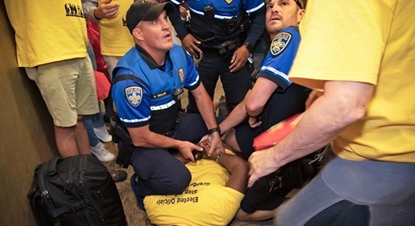
The State has felonized any protests near or on the Industrial Infrastructure, in essence punishing the people who resist the ongoing destruction of their communities.
“The ability to assemble, protest, and air grievances in the public sphere of one’s community is not only a cherished right but is also an essential safeguard of other rights. In the Black communities of Cancer Alley, a polluted industrial corridor in Southern Louisiana, the state’s critical infrastructure law has rendered protest on or near the region’s ubiquitous industrial infrastructure a felony.” Cited from Critical Infrastructure, Environmental, Racism, and Protest: A Case Study In Cancer Alley, Louisiana, by Bridgett Cecilia McCoy
For those who may want to support their fight, I recommend going to the Louisiana Bucket Brigade website. There you can find the latest updates and News about the ongoing struggle against the petrochemical industry and corrupt state government.
Ways to Give – Louisiana Bucket Brigade
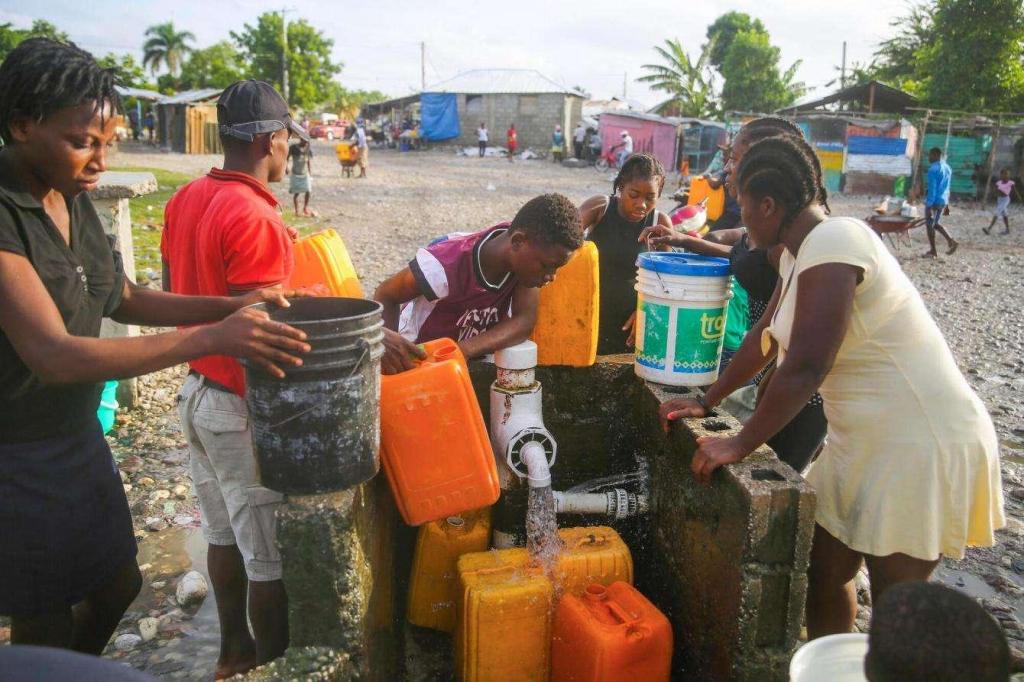
Similar environmental scandals that endanger Black American communities are ones such as the water crisis in Flint, Michigan in which the water was heavily contaminated with lead.
“Flint water crisis, human-made public health crisis (April 2014–June 2016) involving the municipal water supply system of Flint, Michigan. Tens of thousands of Flint residents were exposed to dangerous levels of lead, and outbreaks of Legionnaire disease killed at least 12 people and sickened dozens more.” according to the Britannica encyclopedia.
In North Birmingham, Alabama, Black communities have been disproportionately affected by coke plants and other industrial pollution sources, contributing to elevated health risks.
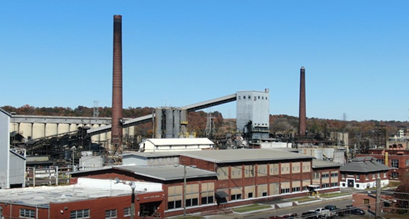
Similarly, in Freeport, Texas, the East End neighborhood, historically designated as the “Negro District,” has faced industrial expansion and environmental degradation through eminent domain actions.
Other documented cases include the 1982 hazardous waste dumping in Afton, North Carolina, a predominantly Black community, which garnered national attention and the birth of the environmental justice movement.
The U.S. General Accounting Office later confirmed that 75% of hazardous waste sites in eight states were located in low-income communities of color
A 1987 report by the United Church of Christ’s Commission for Racial Justice found that race was a significant predictor of hazardous waste facility locations, surpassing factors like income or home value.
“Recently, there has been unprecedented. national concern over the problem of hazardous wastes. This concern has been focused upon the adverse environmental and health effects of toxic chemicals and other hazardous substances emanating from operating hazardous waste treatment, storage and disposal facilities as well as thousands of abandoned waste sites. Efforts to address this issue. however, have largely ignored the specific concerns of African Americans, Hispanic Americans. Asian Americans, Pacific Islanders and Native Americans. Unfortunately, racial and ethnic Americans are far more likely to be unknowing victims of exposure to such substances.”
The chemicals that these companies process and utilize are valued more than our lives, so, we have no choice but to resist these industries.
—Windward Quietist is a private researcher of media, religion and social media trends and a contributor to B1Daily News




Leave a comment