
—Travis Luyindama, B1Daily
In the high-octane world of real-time graphics, DLSS (Deep Learning Super Sampling) is less a luxury feature and more a tectonic shift in how images are rendered, performance is measured, and visual fidelity is delivered. Developed by NVIDIA, DLSS leverages deep learning and AI inference to produce higher-resolution frames from lower-resolution inputs—a computational sleight-of-hand that dramatically enhances framerate without proportionally taxing GPUs. The goal is deceptively simple: deliver crisp, artifact-free visuals at resolutions and framerates that were previously unattainable on consumer hardware.
At its core, DLSS replaces the brute-force rasterization or ray-tracing of every pixel with neural network-guided reconstruction. Instead of calculating every pixel from scratch, a pre-trained neural network—fed by high-quality “ground truth” frames generated offline—predicts what the higher-resolution frame should look like based on the lower-resolution input. DLSS 3, for instance, introduces Frame Generation, where AI predicts entirely new frames between real frames to effectively double framerates in certain conditions, making a 60 FPS game feel like 120 FPS. The computational efficiency gains are monumental, particularly when paired with RTX GPUs optimized for tensor operations.
The purposes of DLSS are both pragmatic and transformative. By enabling gamers to experience 4K or ultrawide resolutions without requiring exponentially more powerful GPUs, DLSS solves the persistent performance-versus-fidelity bottleneck. Beyond performance, it reduces energy consumption per rendered frame by offloading heavy computations to AI cores—a critical advantage for laptops and energy-conscious desktop setups. DLSS also enhances visual fidelity in ways traditional upscaling cannot, improving anti-aliasing, sharpness, and temporal stability. Additionally, it extends the practical lifespan of GPUs, allowing older hardware to run modern titles at higher settings, delaying obsolescence in an industry notorious for rapid hardware churn.
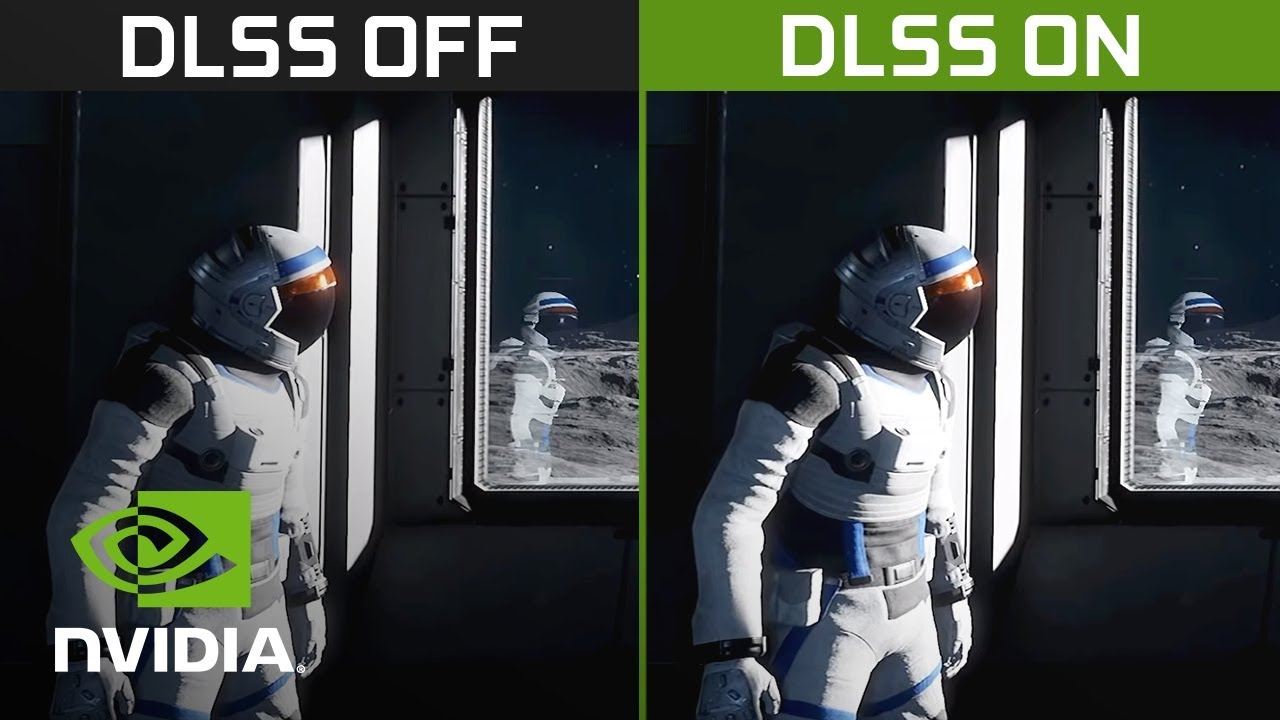
The industry-wide impact of DLSS cannot be overstated. Game developers increasingly view DLSS as a baseline feature, and titles that implement it often enjoy wider adoption due to the performance headroom it provides, particularly with 4K rendering or ray tracing enabled. Competitors such as AMD with FidelityFX Super Resolution (FSR) and Intel with XeSS have been compelled to develop their own AI-assisted rendering solutions, underscoring DLSS’s position as an industry benchmark for neural upscaling. Hardware manufacturers are now designing GPUs with dedicated AI cores, acknowledging that deep learning integration is no longer optional but central to next-generation graphics performance.
DLSS’s influence extends far beyond gaming. Simulation software, VR/AR applications, and real-time rendering for film production are beginning to adopt neural upscaling methods inspired by DLSS. In professional visualization, the ability to render photorealistic frames at interactive rates has implications for architecture, automotive design, and digital twin technologies, proving that DLSS is more than a gaming convenience—it’s an industrial tool.
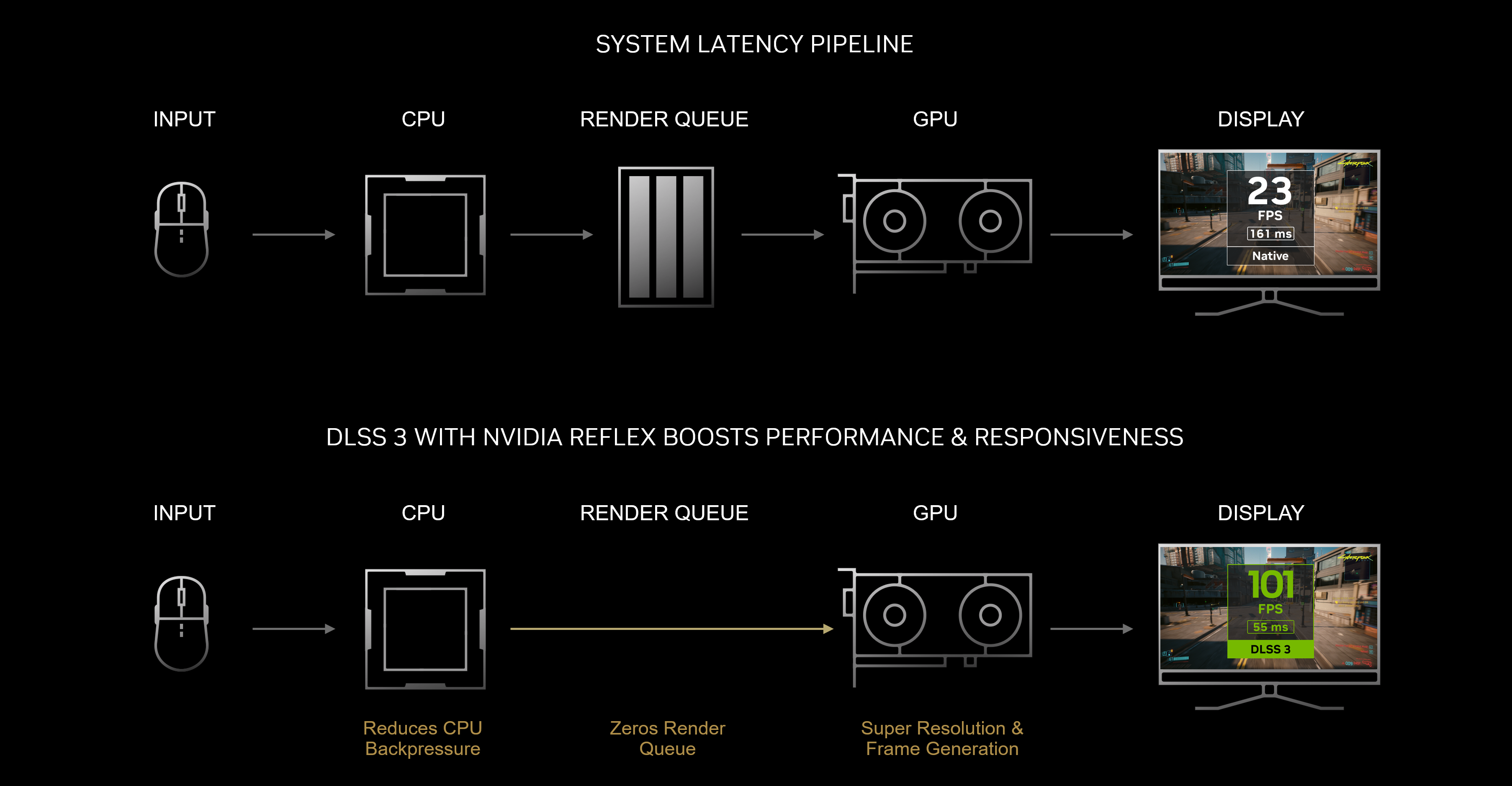
Looking ahead, DLSS is poised to converge with several emerging technologies. Neural networks could predict complex light interactions to reduce the computational cost of ray-traced reflections and global illumination. DLSS-like AI upscaling may allow low-bandwidth cloud gaming platforms to stream high-fidelity visuals without requiring extreme client-side hardware. As GPUs incorporate larger AI accelerators, DLSS could evolve into a generative rendering tool, creating entire assets or textures in real time guided by scene context and neural prediction. Open standards for AI-assisted upscaling could even make DLSS-inspired methods ubiquitous across consoles, PCs, and mobile devices.
Yet DLSS is not without limitations. Early iterations produced ghosting artifacts, frame inconsistencies, and occasional texture hallucinations, exposing the boundaries of neural inference in real-world conditions. Even with DLSS 3, the technology remains tightly coupled to NVIDIA hardware, creating a walled-garden effect that restricts industry-wide adoption.
Ultimately, DLSS is more than an optimization; it is a paradigm shift in graphics rendering. By marrying deep learning with real-time frame generation, it transforms how games are designed, how GPUs are architected, and how consumers experience digital worlds. For developers, it reduces the pressure to squeeze performance from brute-force rasterization; for gamers, it delivers fluidity and fidelity once thought impossible without cutting-edge hardware. And for the industry at large, DLSS signals a future where AI is not an optional accelerator but a central pillar of rendering pipelines, reshaping everything from cloud gaming to VR, simulation, and beyond.
—Travis Luyindama, B1Daily






Leave a comment