—Kel McKnight, B1Daily
There’s a quiet tragedy unfolding in the comic book multiverse, and it doesn’t involve a collapsing timeline or a villain snapping half the heroes into narrative oblivion. It’s happening in boardrooms, licensing agreements, and cautious editorial pipelines. Milestone Comics, once a lightning bolt of innovation that cracked open the industry’s stale ceiling, now feels like it’s being asked to sprint while chained to a treadmill.
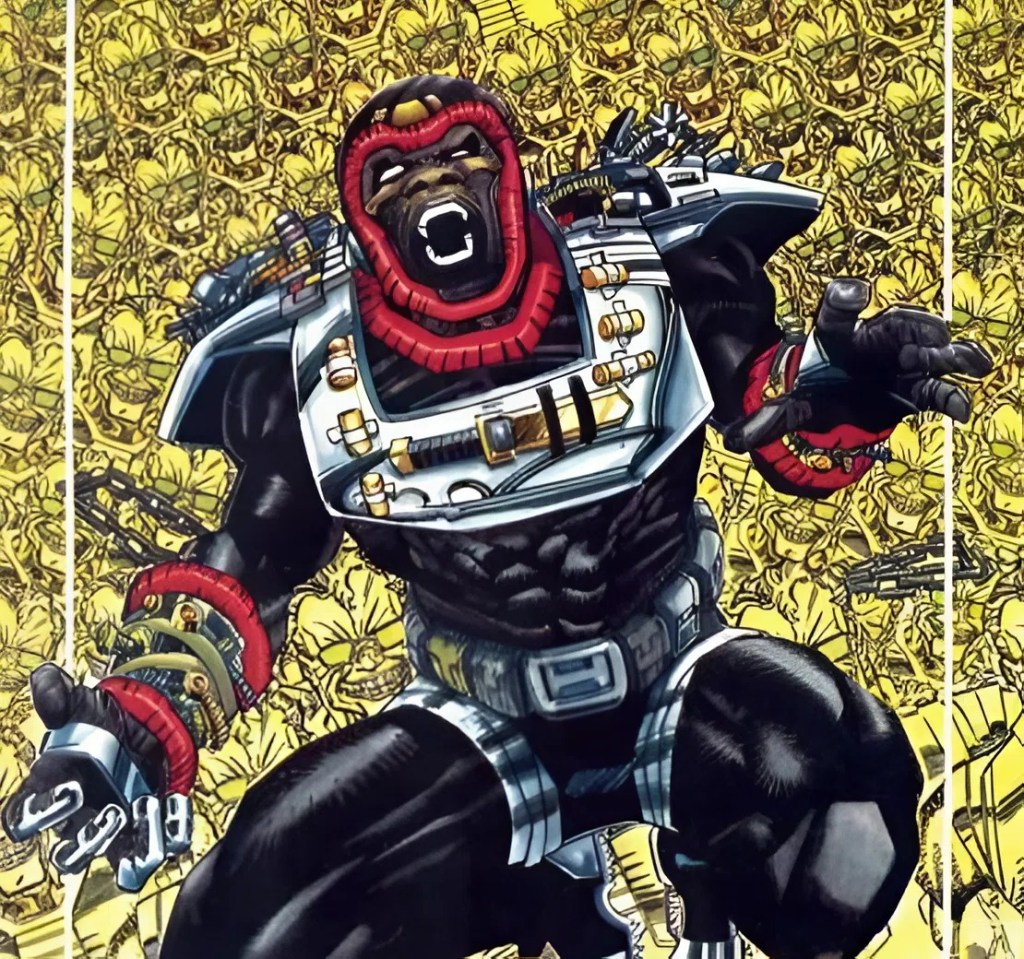
Back in the 1990s, Milestone didn’t just arrive, it disrupted. Titles like Static, Icon, and Hardware weren’t polite additions to the superhero buffet; they were new recipes entirely, seasoned with cultural specificity, social commentary, and unapologetic Black identity. The Dakota Universe didn’t ask for permission, it demanded attention. That spirit was never meant to be domesticated.
Fast forward to today, and the energy feels… managed. Sanded down. Filtered through corporate risk assessments that treat bold storytelling like a liability instead of a weapon. Being under the umbrella of DC Comics brings resources, sure, but it also brings constraints. When every narrative swing has to align with a broader brand ecosystem, innovation starts to suffocate in its own suit and tie.
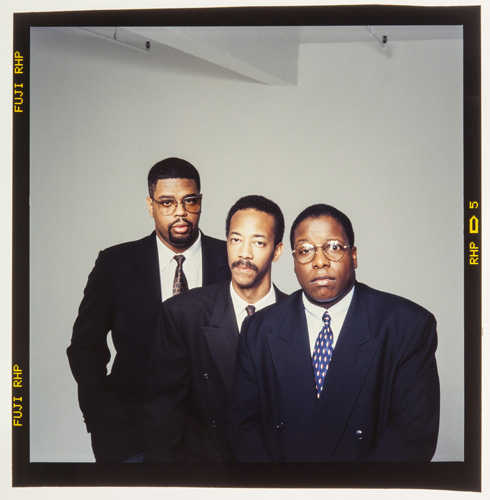
From a tech-minded, systems-thinking perspective, this is a classic case of architecture mismatch. Milestone was designed as a high-agility, high-signal creative engine, something closer to an open-source project than a legacy enterprise platform. Plugging that into a corporate monolith creates latency. Decisions slow down. Risk tolerance drops. Creative throughput bottlenecks. What you get isn’t failure, it’s something arguably worse: diluted success.
Independence would act like a hard fork in the codebase. It would allow Milestone to iterate faster, take narrative risks without brand interference, and rebuild a direct relationship with its audience. Imagine a publishing model that embraces digital-first drops, community-driven story arcs, and creator ownership structures that incentivize bold storytelling instead of safe continuity loops. That’s not fantasy, that’s just modern content strategy applied correctly.
And let’s be blunt, the audience is there. Readers are starving for stories that feel urgent, specific, and unfiltered. The success of indie comics and creator-owned platforms proves that the old gatekeeping model is cracking. Milestone doesn’t need to compete within a corporate sandbox when it could be redefining the entire playground.
There’s also a cultural cost to staying tethered. Milestone wasn’t just about representation, it was about perspective. There’s a difference between being included in a system and building your own system from scratch. One is adaptation. The other is power.
So here’s the rallying cry, the signal flare in a sky crowded with corporate logos: #DakotaUnchained. Not just a hashtag, but a thesis. A declaration that Milestone’s future shouldn’t be negotiated in boardrooms but forged in the same rebellious spirit that made it matter in the first place.
Because at its best, Milestone Comics isn’t just another imprint. It’s a reminder that the most powerful stories don’t come from playing it safe. They come from breaking the system that said you had to.
—Kel McKnight, B1Daily




Leave a comment