—Travis Luyindama, B1Daily
China’s healthcare revolution isn’t arriving with a gentle knock, it’s kicking the door open with steel hands, fiber-optic nerves, and algorithms that don’t sleep. The country’s latest push into medical robotics isn’t just about innovation, it’s about redesigning the entire experience of being a patient, a doctor, and even a hospital itself.
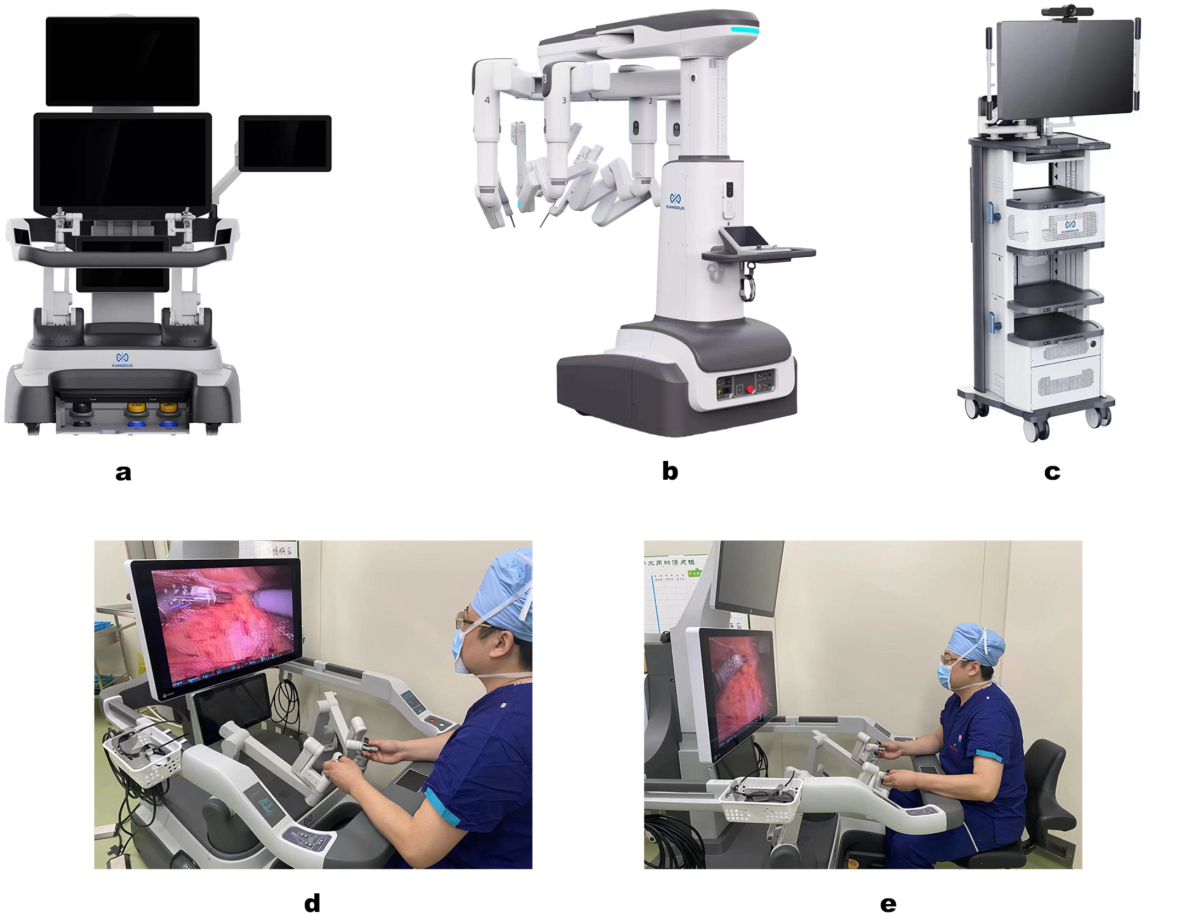
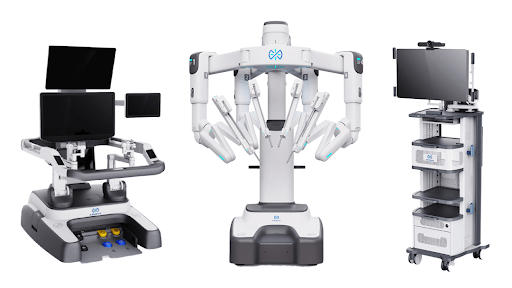
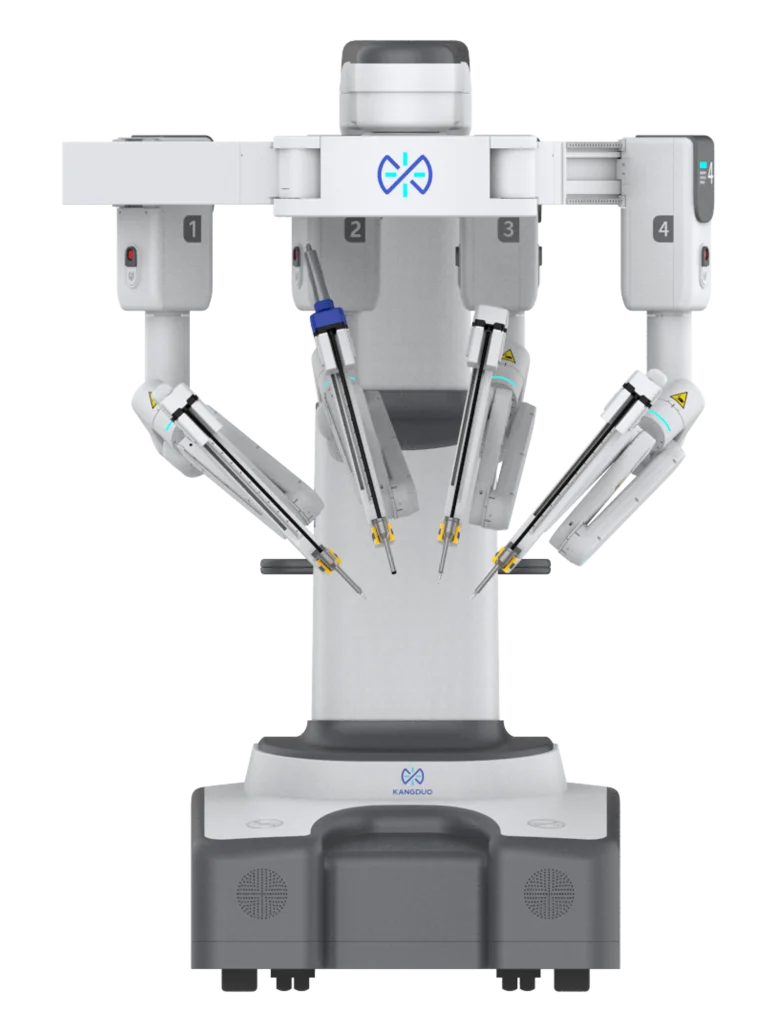
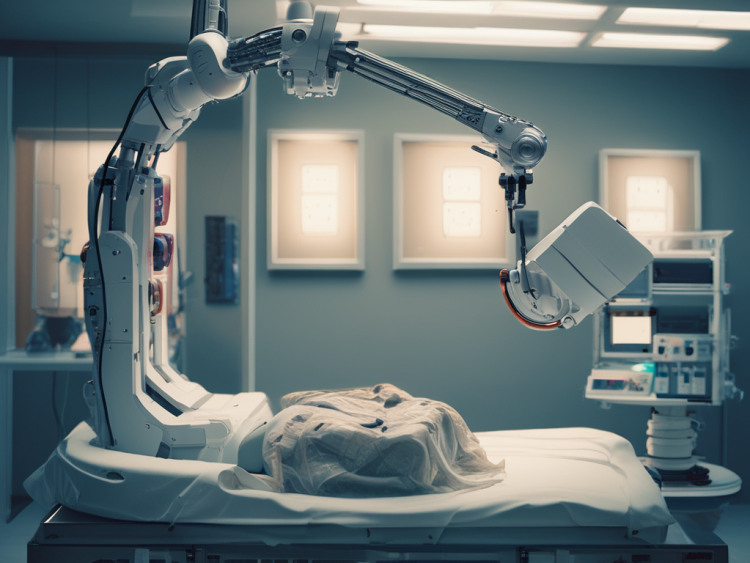
At the center of this transformation are surgical robots that feel less like tools and more like extensions of human precision. In one striking demonstration, doctors used Chinese robotic systems to perform operations thousands of miles away, turning distance into a rounding error. A surgeon in one country can now operate on a patient in another with near-zero latency, crystal-clear imaging, and reduced physical trauma for the patient.
This is not incremental progress. This is healthcare folding space.
Patients no longer need to travel across provinces or continents for specialized procedures. The technology flips the equation: instead of moving the patient to the doctor, it sends the doctor to the patient digitally. Costs drop, recovery improves, and access expands in ways traditional systems simply can’t match. In some cases, families save up to 80 percent in travel and related expenses, a number that turns cutting-edge medicine from luxury into possibility.
But surgery is just the headline act. Behind the curtain, China is building what can only be described as a fully networked medical ecosystem. AI-powered hospitals are emerging where diagnosis, monitoring, and follow-up care are woven into a continuous loop. These systems don’t wait for you to get sick. They watch, predict, and intervene early, using data from wearables, imaging systems, and patient histories to flag problems before symptoms even shout.
Think of it as healthcare that stalks disease before disease can stalk you.
And then come the robots themselves, not just in operating rooms but across the entire medical pipeline. Humanoid and service robots are being standardized at a national level, a move designed to accelerate deployment and slash costs across industries including healthcare and elder care.
This matters more than it sounds. Standardization is how you go from impressive demo to everyday reality. It’s the difference between a prototype and a hospital ward where robots assist nurses, deliver medication, monitor patients, and handle repetitive tasks that burn out human staff.
China’s broader strategy makes the ambition even clearer. Robotics and AI aren’t isolated experiments, they’re embedded in a national plan to dominate high-tech sectors and compensate for labor shortages, particularly in healthcare where aging populations are stretching systems thin.
In other words, these machines aren’t just helping doctors. They’re becoming the infrastructure.
The implications ripple outward. For rural communities, this could mean access to top-tier care without ever leaving home. For overworked medical staff, it could mean relief from endless administrative and physical burdens. For global healthcare, it signals a shift in who leads the next era of medical technology.
But let’s not pretend it’s all sterile perfection. Questions about data privacy, system failures, and ethical boundaries hover like storm clouds over this shiny new landscape. When machines assist in life-or-death decisions, accountability gets complicated fast.
Still, the direction is unmistakable. China isn’t just building better tools for healthcare. It’s building a system where technology becomes the nervous system of medicine itself.
And if it works, the future of healthcare won’t be a place you go. It’ll be something that’s always there, watching, calculating, and quietly keeping you alive.
—Travis Luyindama, B1Daily






Leave a comment