—Kerry Hill, B1Daily
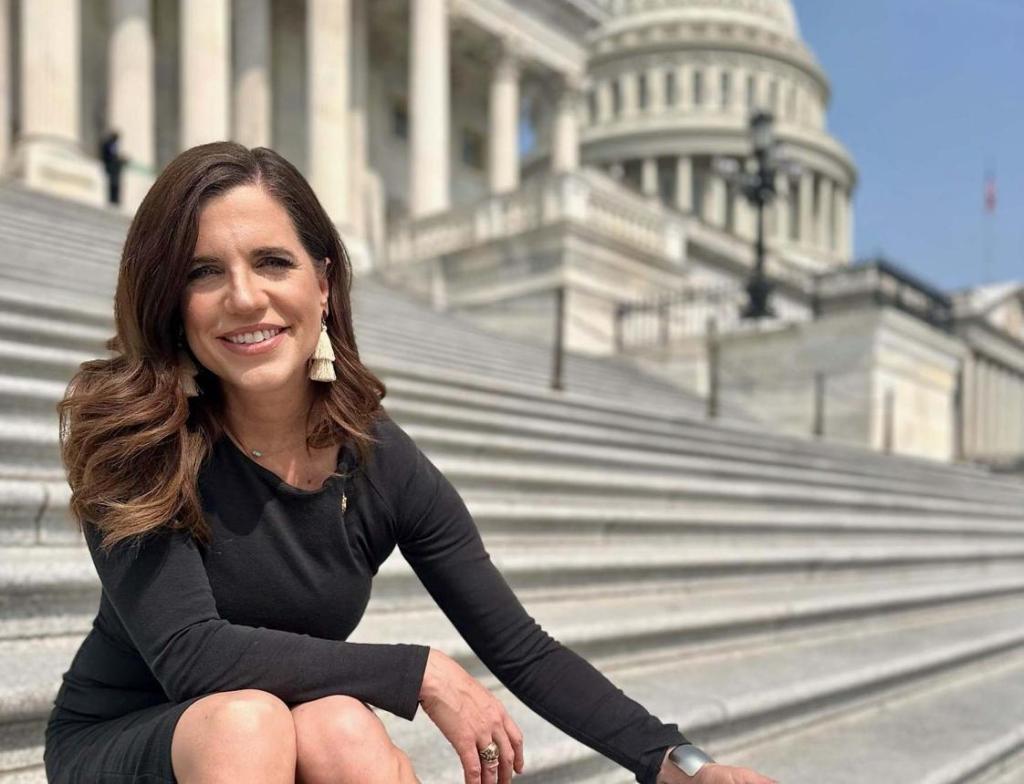
A new constitutional amendment proposal introduced by Representative Nancy Mace has reignited a long-running debate in American politics over who is eligible to hold public office and what citizenship means in a modern democracy.
The proposal would expand the existing “natural-born citizen” requirement, currently applied only to the presidency and vice presidency, to include Members of Congress, federal judges, and Senate-confirmed executive officials. In effect, it would prevent naturalized U.S. citizens from serving in these roles.
According to the resolution’s framing, the goal is to ensure that individuals holding federal power have an unbroken birthright connection to the United States. Supporters of similar proposals argue that this strengthens national loyalty and reduces perceived conflicts of interest among officials born abroad.
The idea, however, is highly controversial and faces steep constitutional hurdles. Amending the Constitution requires two-thirds approval in both chambers of Congress and ratification by three-quarters of state legislatures, making passage extremely unlikely.
Critics of the proposal argue that it would represent a major rollback of immigrant political representation in the United States. Roughly two dozen members of the current House of Representatives were born outside the country, and naturalized citizens serve across federal, state, and local government roles. Opponents say restricting eligibility would reduce diversity in governance and exclude long-established American citizens from public service.
Supporters counter that the measure is about uniform standards for national leadership rather than targeting specific groups. They point to existing constitutional restrictions on the presidency as precedent for extending similar requirements elsewhere in government.
In broader political discussion, the proposal has also been interpreted through the lens of immigration politics and identity debates in the United States. Some commentators view it as part of a wider shift toward stricter definitions of citizenship and eligibility for public office, while others see it as symbolic legislation unlikely to advance but effective in shaping political messaging.
The debate also reflects a deeper tension in American civic life: whether citizenship is defined primarily by legal status, by birth, or by shared participation in democratic institutions over time.
While some advocacy voices argue that limiting office to natural-born citizens could simplify questions of eligibility and national allegiance, civil rights groups and many legal scholars maintain that naturalized citizens are fully equal members of the political community and should not face additional barriers to representation.
As with many constitutional proposals, the outcome may matter less in legislative terms and more in the national conversation it triggers about belonging, identity, and political power in the United States.
—Kerry Hill, B1Daily





Leave a comment