—Barrington Williams, B1Daily
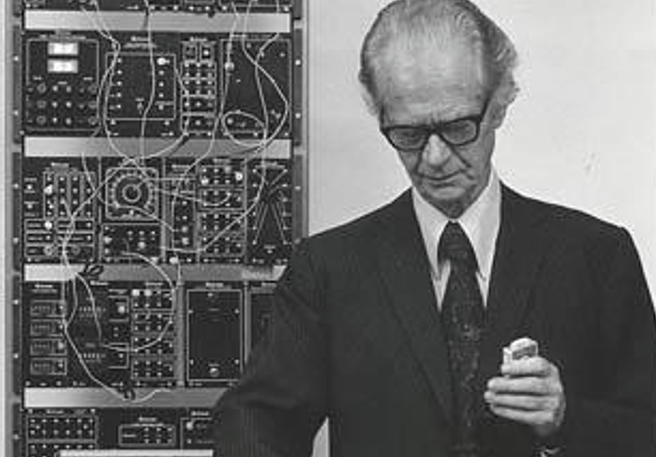
Burrhus Frederic Skinner, the renowned psychologist and pioneer of behaviorism, revolutionized modern psychology with his theories on operant conditioning, the idea that behavior is shaped by reinforcement and punishment. While his work has been widely applied in education, therapy, and even animal training, it’s well known that Skinner’s research was weaponized to disrupt social structures, particularly within Black American families.
Skinner’s emphasis on environmental conditioning suggested that human behavior could be systematically controlled through rewards and punishments.
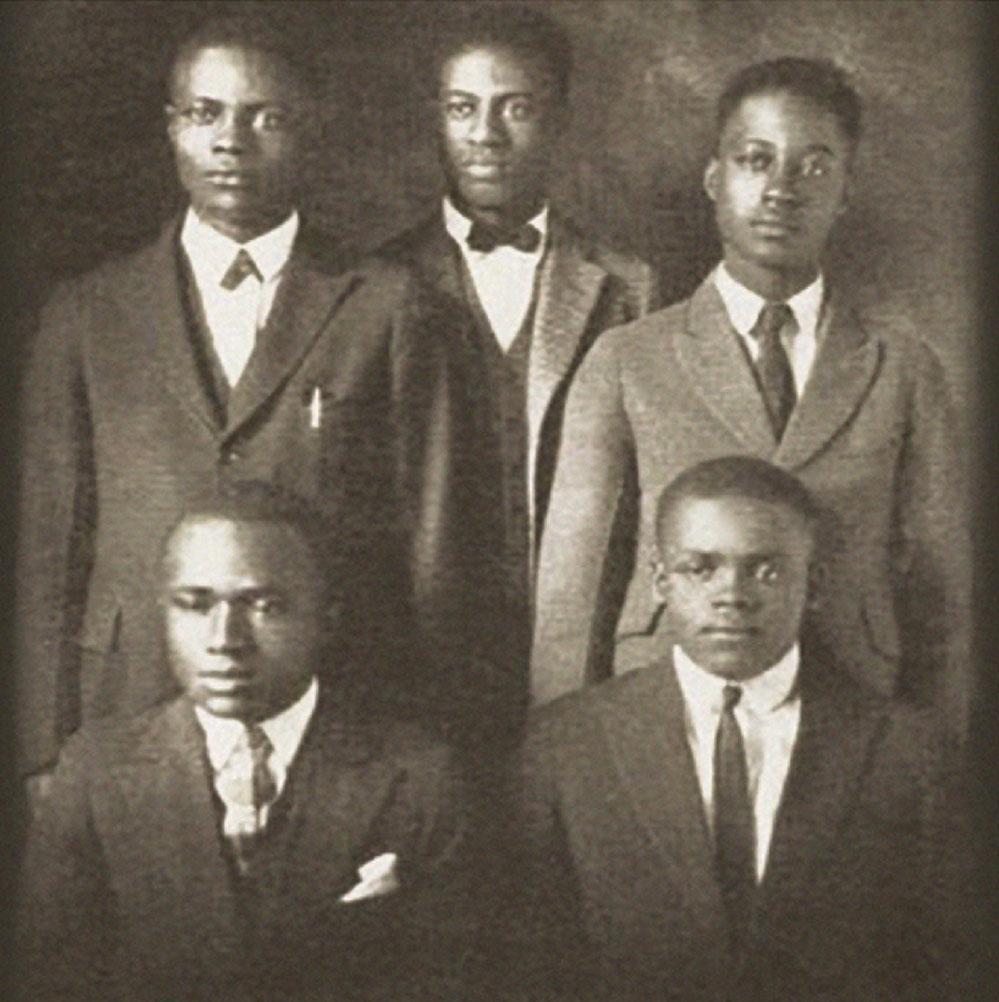
This framework, while neutral in theory, became controversial when applied to social engineering. Historians and sociologists allege that government programs and policies in the mid-20th century appropriated Skinnerian principles to undermine Black familial bonds by promoting dependency on welfare systems, incentivizing single-parent households, and discouraging traditional family cohesion.
Skinner’s research was weaponized to disrupt social structures, particularly within Black American families.
Welfare policies of the 1960s, influenced by behaviorist logic, inadvertently (or intentionally) disincentivized marriage by providing greater financial aid to single mothers. The structure of these programs, rewarding certain family arrangements while penalizing others, aligned with Skinner’s ideas about reinforcement shaping behavior. Over time, this contributed to the destabilization of Black family units by replacing communal support with state dependency.
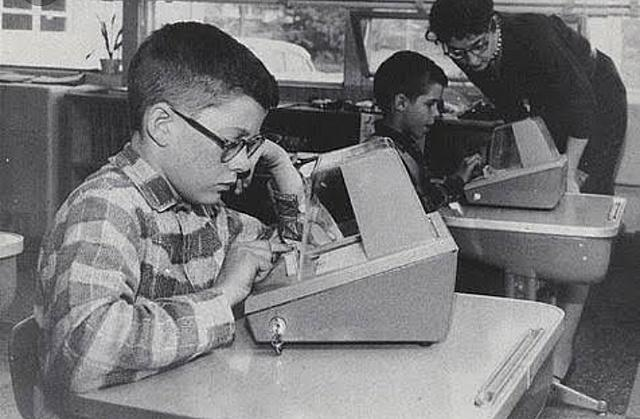
Skinner’s teaching machines and programmed instruction were initially celebrated as progressive educational tools. However, in predominantly Black urban schools, critics contend that these methods were sometimes used to enforce compliance rather than critical thinking, conditioning children to follow authority without question. This mechanized approach to learning, critics say, suppressed cultural identity and autonomy.
Skinner himself never explicitly advocated for the dismantling of Black families. His focus was on universal behavioral principles, not race-specific social engineering. Supporters argue that misuse of his theories was the fault of policymakers, not Skinner himself, and that his work was fundamentally about understanding human behavior, not manipulating it for oppression.
Today, Skinner’s theories remain influential, but their ethical implications are hotly debated. While some view behaviorism as a tool for empowerment (e.g., in addiction recovery or skill-building programs), others see its darker applications in systemic control. The question remains: did Skinner’s science enable social disruption, or was it simply exploited by those in power?
The answer may lie in recognizing that scientific theories, no matter how neutral, can be repurposed, for liberation or for control. Whether Skinner’s work was intentionally used to destabilize Black families or merely became a cog in a larger machine of systemic inequity, the discussion underscores the importance of critically examining the societal impact of psychological research.
Science does not exist in a vacuum. The legacy of B.F. Skinner reminds us that even the most objective theories can be wielded as instruments of social change—for better or worse.
—Barrington Williams, B1Daily





Leave a comment