—Pratima Gadal, B1Daily
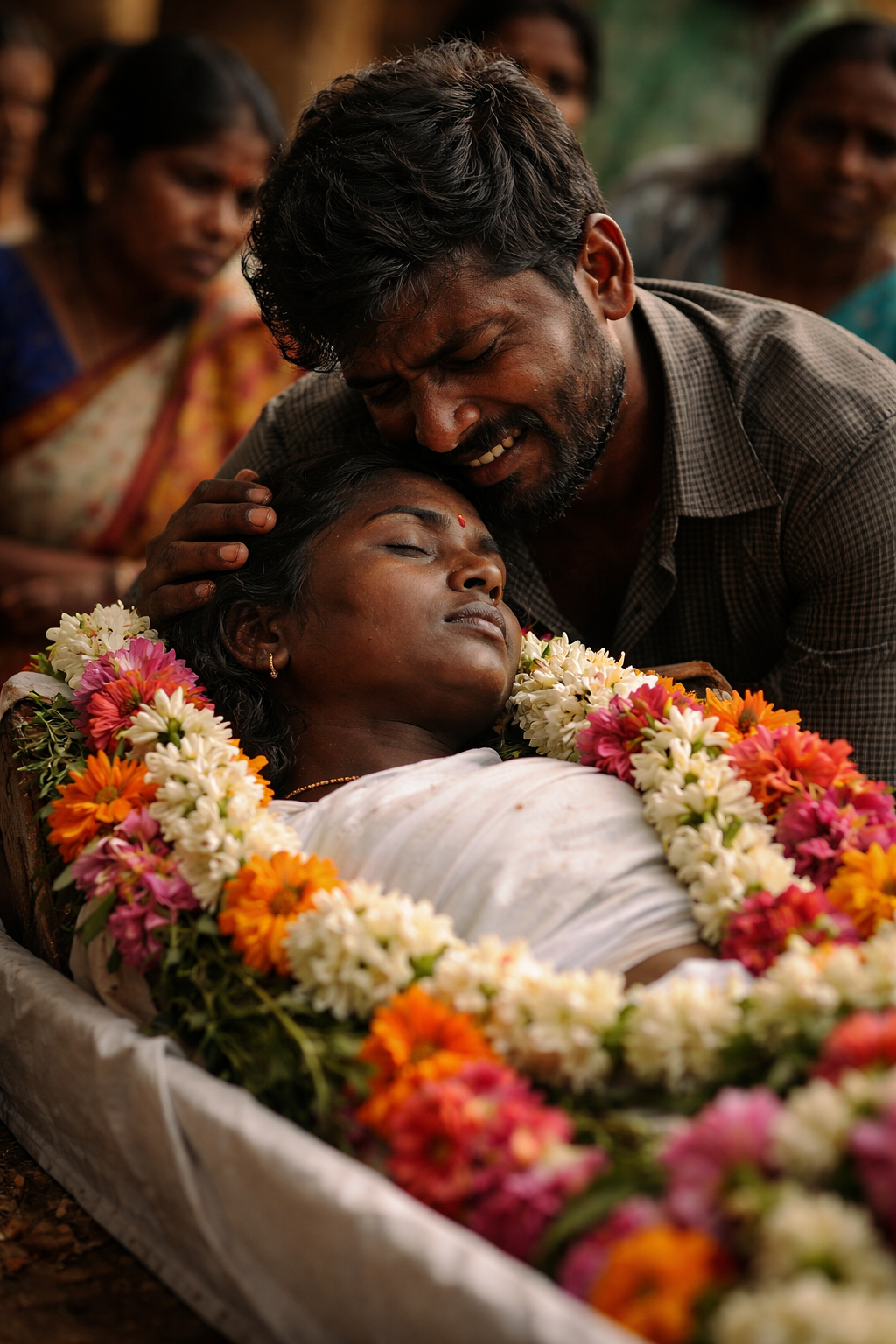
In Tamil Nadu, the story of a Dalit woman’s death in Trichy is not just a tragic headline, it is another crack in a long, unfinished wall. Behind the political arguments over welfare schemes and election promises, there is a lived reality that many Dalit families know too well: caste does not disappear with development slogans, it just changes its language.
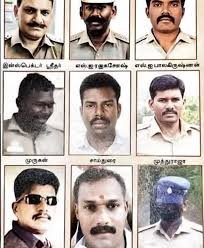
The case linked to the DMK’s ₹8,000 coupon campaign has become a political flashpoint, with allegations that the young woman faced harassment and humiliation from party workers before her killing that the authorities are now framing as another “suicide”. Political leaders are now demanding a ban on the scheme, framing it as an electoral manipulation issue. But for Dalit communities, the deeper question is not only about coupons or campaigns, but about why dignity can still be so easily denied in everyday interactions tied to power, access, and identity.
For many Dalits, the caste system is not a historical artifact. It is a structure that continues to show up in workplaces, in village politics, in social spaces, and in moments where authority meets vulnerability. Even when welfare schemes are announced with promises of upliftment, the gap between policy and ground reality can feel wide enough to swallow individual lives whole.
There is a painful contradiction here. On one hand, Tamil Nadu politics often projects itself as socially progressive, built on the language of justice and inclusion. On the other hand, incidents like this remind us that social hierarchy does not vanish just because the state distributes benefits. It can still reappear in how people are treated when they go to claim those benefits, or when they are perceived as dependent or powerless.
For Dalit women in particular, this intersection is even sharper. Caste and gender combine into a double burden, where public spaces and political interactions can carry risks that are often invisible until tragedy forces attention. The fear is not only economic exclusion, but social humiliation that can accumulate silently over time.
What makes this moment more unsettling is how quickly such tragedies become absorbed into partisan conflict. Instead of sustained reflection on caste violence, structural discrimination, and accountability, the debate often shifts into political blame, campaign strategy, or administrative failure. The individual at the center can disappear again, this time into the noise of competing narratives.
The caste system in India today is not always loud or openly declared. It is often procedural, informal, and embedded in everyday hierarchies of respect and access. For Dalits, that means progress can exist alongside precarity, and welfare can exist alongside humiliation.
Until dignity becomes as measurable as development, and until access does not depend on social position or political proximity, these contradictions will continue to surface in painful and irreversible ways.
The question this case leaves behind is not only what happened in Trichy, but how many similar stories never reach the headlines at all.
—Pratima Gadal, B1Daily





Leave a comment