—Kel McKnight, B1Daily
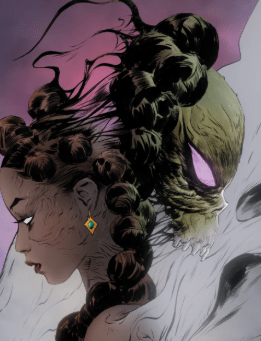
There’s a certain kind of fantasy comic that feels like it was assembled in a boardroom, all polished armor and predictable destinies. Tales of Asunda strolls in like it just walked out of a dust storm instead, carrying grit under its nails and stories that don’t ask for permission to exist. Created by Sebastian A. Jones, this series builds a world that doesn’t just look alive, it breathes, limps, laughs, and occasionally bleeds on the page.
The setting, Asunda, isn’t your standard medieval remix. It’s a sprawling, culturally textured landscape inspired by African traditions, mythology, and diasporic imagination, but it never feels like a history lesson dressed up as fantasy. Instead, it’s kinetic. Markets hum. Spirits linger. Warriors don’t just swing blades, they carry legacy like a second spine. You’re not being told about a world, you’re being dropped into it mid-sentence.
Visually, the series shifts depending on the story, which could have been a liability but instead feels like a rotating gallery of styles that all understand the assignment. Artists like Amandla Stenberg and Walt Barna bring distinct textures to the table, from soft, almost lyrical panels to sharp, kinetic action sequences. It’s not always uniform, but it’s rarely dull. Think of it like a mixtape where every track has a different producer, yet somehow the mood holds together.
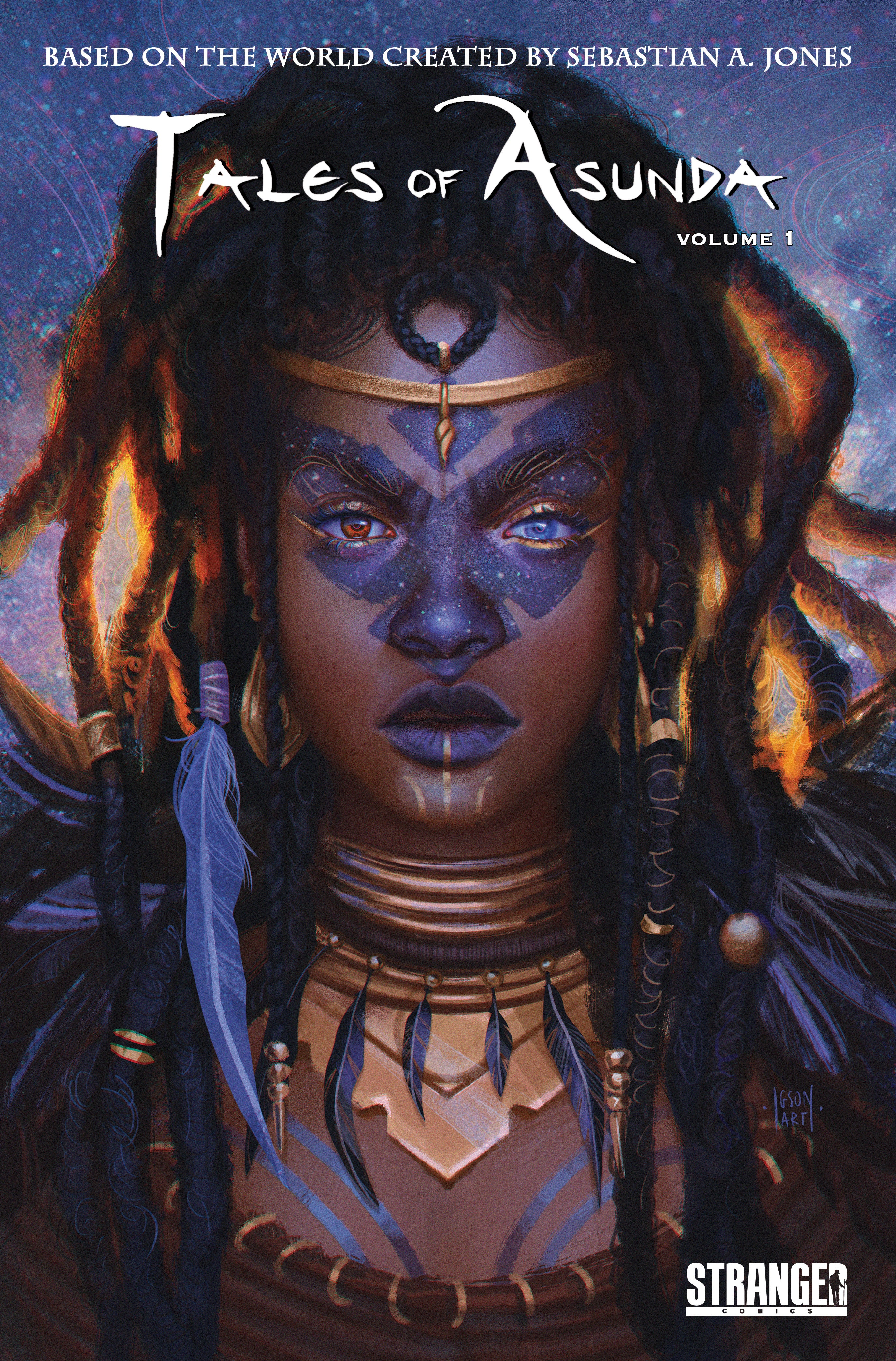
Narratively, Tales of Asunda leans into anthology storytelling, which means not every chapter hits with the same force, but when it connects, it lands heavy. Stories like Niobe: She is Life carve out emotional space with a quiet confidence, following a young heroine navigating a world that doesn’t owe her survival. There’s no hand-holding here. Characters make choices, and the consequences don’t politely fade to black.
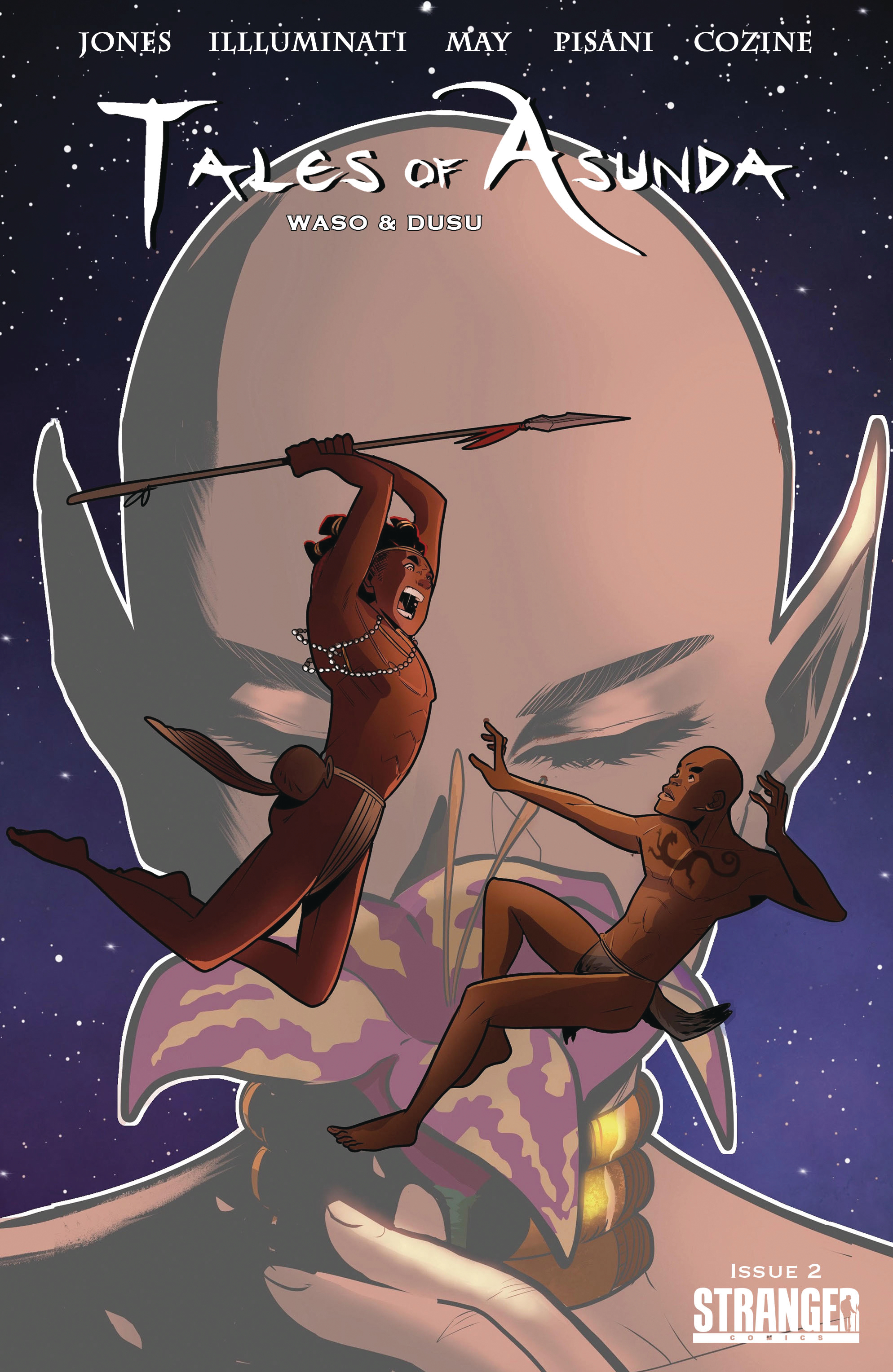
What really sets the series apart is its refusal to flatten its characters into symbols. Strength isn’t clean. Vulnerability isn’t weakness. Even the mythic elements carry a grounded weight, like they’ve been shaped by generations rather than conjured overnight. That gives the entire project a sense of authorship that feels personal rather than performative.
That said, the anthology structure can occasionally feel like trying to grab smoke. Just when you settle into a storyline, you’re moved elsewhere. For readers craving a single, continuous narrative thread, that can feel like being repeatedly nudged out of a dream. But if you approach it as a collection of windows rather than one long hallway, it becomes easier to appreciate the view.
In a comic landscape that often circles the same familiar castles, Tales of Asunda builds something more organic, a living mythos that grows outward instead of upward. It’s not flawless, but it doesn’t need to be. Its power comes from its voice, its perspective, and its refusal to sand down its edges for comfort.
This isn’t just fantasy. It’s a reminder that entire worlds have been waiting, patiently, to be imagined on their own terms.
—Kel McKnight, B1Daily





Leave a comment