—Vanessa Edwards, B1Daily
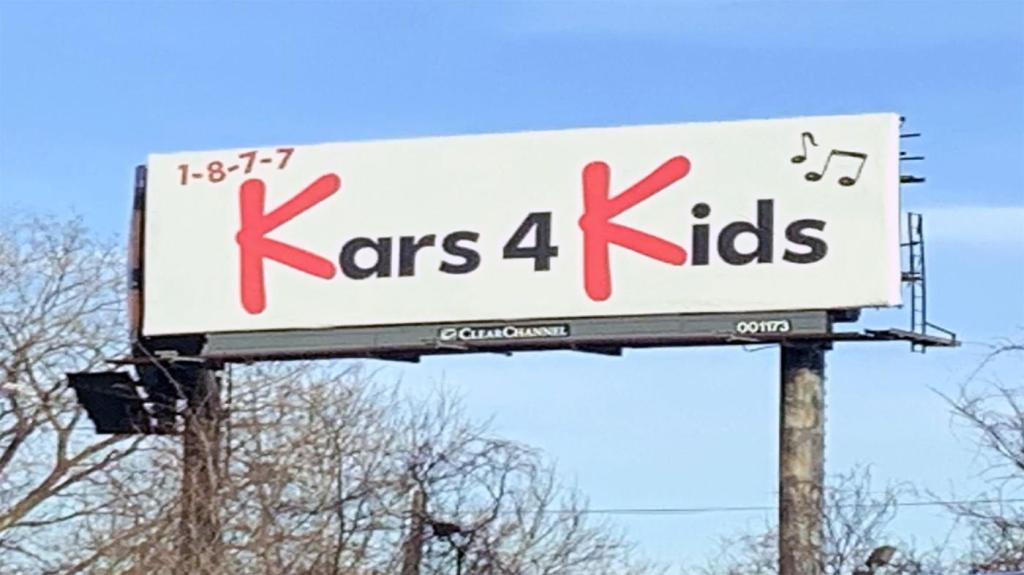
For years, Kars4Kids has positioned itself as a prominent car donation charity, promising donors that their contributions would benefit children in need. What many donors didn’t realize, however, was that the vast majority of funds were being funneled to programs and initiatives in Israel, not the United States.

The organization’s advertising campaigns, often featuring catchy jingles and vague promises of helping “kids,” led countless Americans to believe they were supporting underprivileged children in their own communities. This lack of transparency has sparked outrage among donors who feel misled.
The controversy stems from Kars4Kids’ affiliation with Oorah, a New Jersey-based nonprofit that funds educational and religious programs primarily in Israel. While the charity does run some U.S.-based initiatives, the bulk of its resources are directed overseas.
Critics argue that the organization’s marketing materials deliberately obscure this fact, using broad language like “helping kids” without specifying where those kids are located. Many donors, upon discovering the truth, have expressed frustration, feeling their generosity was exploited for a cause they didn’t intend to support.
Legal actions and complaints have further highlighted the issue. Several states have investigated Kars4Kids for deceptive advertising, with some requiring the charity to clarify its international focus in future campaigns. In 2019, Oregon’s Department of Justice fined the organization for failing to disclose how donations were used, ordering it to refund misled donors. Similar cases in other states have raised questions about whether Kars4Kids’ practices amount to a deliberate bait-and-switch scheme.

Defenders of the charity argue that its work in Israel is impactful, providing scholarships, mentorship, and religious education to thousands of children. They contend that donors should research charities before contributing, but this stance does little to address the ethical concerns raised by the lack of upfront transparency. Meanwhile, disillusioned donors have turned to alternative organizations, seeking clearer assurances that their contributions will stay local.
The Kars4Kids saga serves as a cautionary tale about the importance of charity transparency. Donors deserve to know exactly where their money is going, and organizations have a responsibility to provide that information openly.
While supporting children globally is a noble cause, misleading donors undermines trust in the philanthropic sector as a whole. Moving forward, greater accountability and honesty will be essential to rebuilding that trust.
—Vanessa Edwards, B1Daily






Leave a comment