—Kel McKnight, B1Daily
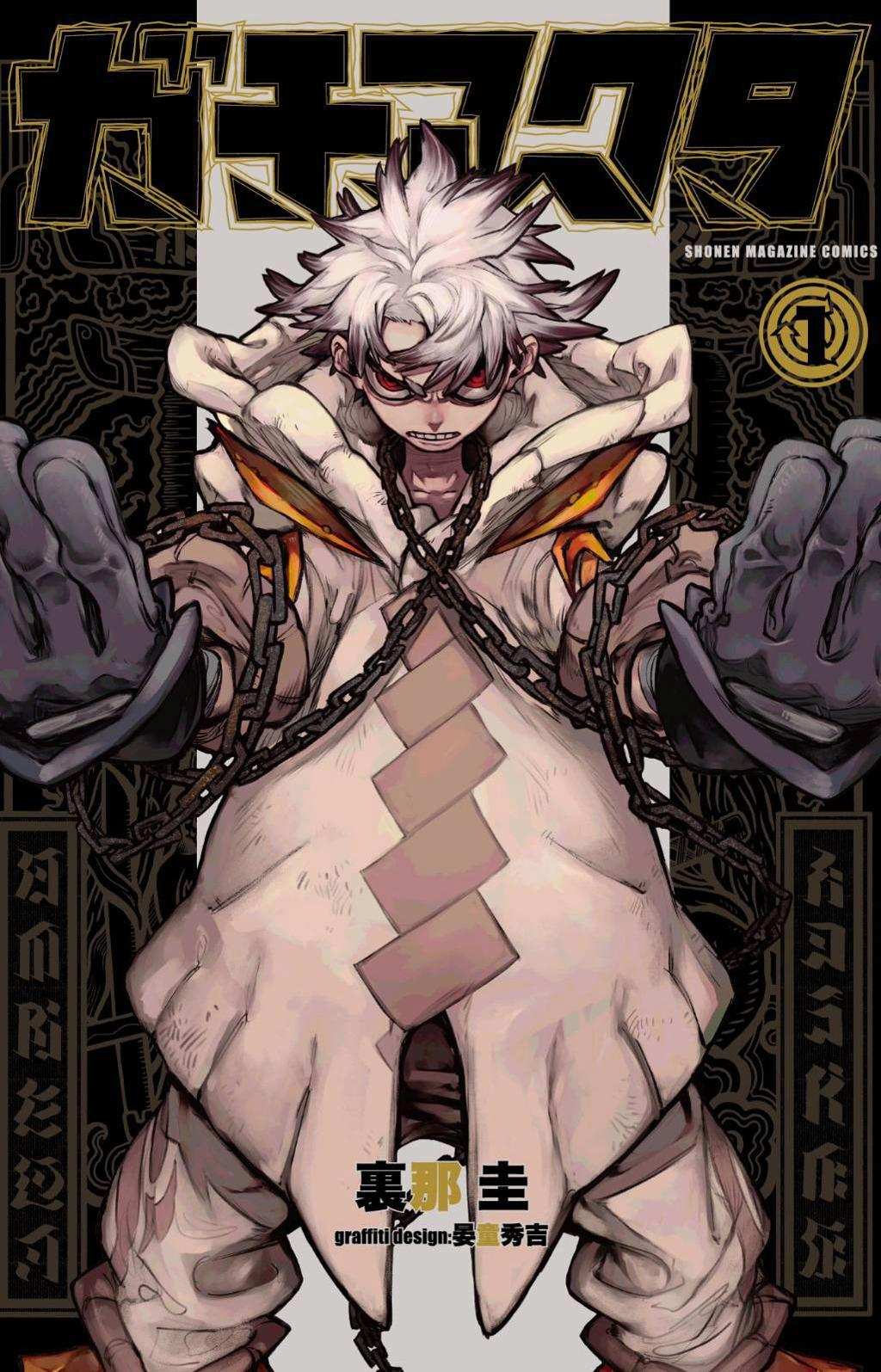
The creator of Gachiakuta, Kei Urana, has stepped away from X after months of fan controversies, online arguments, and escalating drama that often had less to do with her manga and more to do with the increasingly parasocial culture surrounding it.
For many fans, the reaction was sympathy. For others, it was frustration. Not because Urana was harassed, but because she arguably made the same mistake countless creators before her have made: treating every online outrage cycle as if it deserved a response.
The modern fandom ecosystem is a strange machine. A mangaka posts artwork, comments on a character, shares a fan video, or sets boundaries around fan interpretations, and suddenly thousands of strangers act as though they have a personal stake in the creator’s every decision. What begins as a fan community slowly transforms into a courtroom where every tweet becomes evidence and every misunderstanding becomes a trial.
Urana repeatedly found herself at the center of these storms. Fans argued over character identities, fan-created content, piracy discussions, casting controversies, and social media posts. Each incident generated new waves of discourse, demands, criticism, and counter-criticism.
The problem is that outrage on social media is not a debate. It is a slot machine. Pull the lever once and a hundred new complaints appear. Address one controversy and three more materialize behind it.
Many observers inside the fandom had already begun warning about the unhealthy relationship developing between creator and audience. Even fans themselves criticized the increasingly parasocial behavior, arguing that people were acting as if they personally knew Urana rather than simply reading her work.
This is where the lesson becomes uncomfortable.
Creators do not owe the internet unlimited access to their thoughts. They do not need to explain every decision, clarify every rumor, or personally referee every fandom argument. The moment a creator becomes trapped in that cycle, the audience stops consuming the work and starts consuming the creator.
That appears to be what happened with parts of the Gachiakuta fandom. The conversation drifted away from chapters, characters, and storytelling and toward constant scrutiny of Urana herself.
The irony is that the loudest voices are rarely the majority. Many fans simply wanted new chapters and good storytelling. Yet online platforms amplify conflict because conflict drives engagement. A handful of angry accounts can easily appear larger than they really are. As some community members pointed out after her departure, a small but vocal minority often dominates the conversation while most fans quietly enjoy the series.
Could Urana have ignored the noise?
Probably.
History suggests that internet outrage mobs eventually move on to the next target. Social media controversies burn hot and fast. The algorithm is a digital bonfire that constantly needs fresh fuel.
But creators are human. Reading thousands of comments aimed directly at you is different from watching a controversy from a distance. Even successful artists can find themselves trapped in a loop of defending, explaining, and responding until social media becomes more exhausting than useful.
The bigger lesson may not be about Kei Urana at all. It may be about fandom culture itself.
A fanbase is supposed to celebrate a work. When it becomes obsessed with managing, policing, diagnosing, or personally supervising the creator, something has gone wrong. At that point the fandom stops being a community and starts becoming a surveillance state with fan art.
And no manga author, no matter how talented, can draw their way out of that.
—Kel McKnight, B1Daily



Leave a comment