—Sylvester Loving, B1Daily
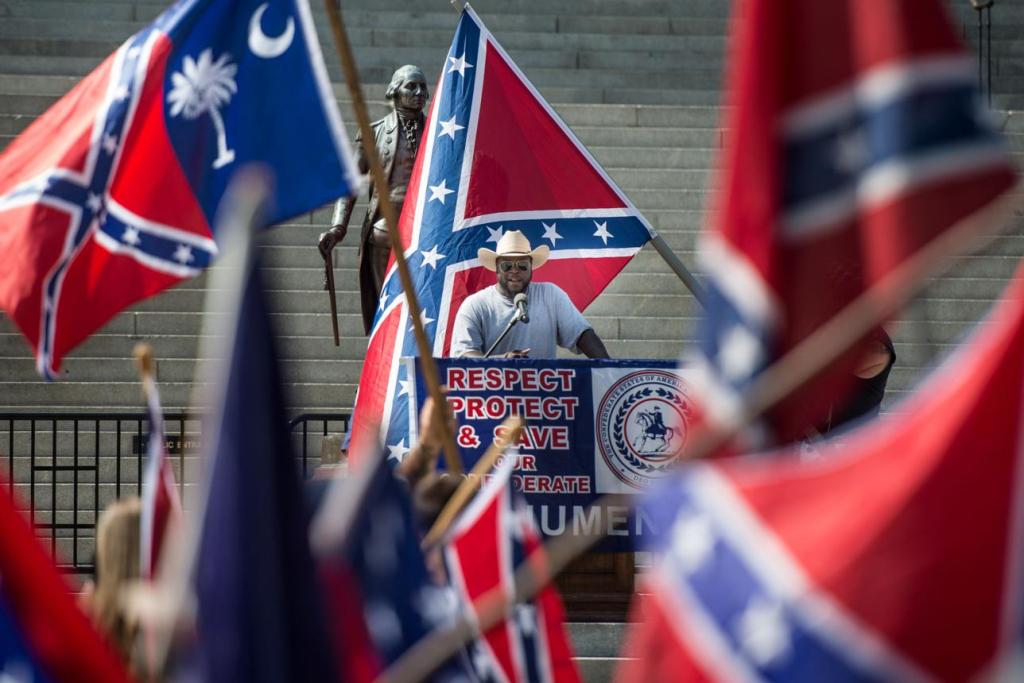
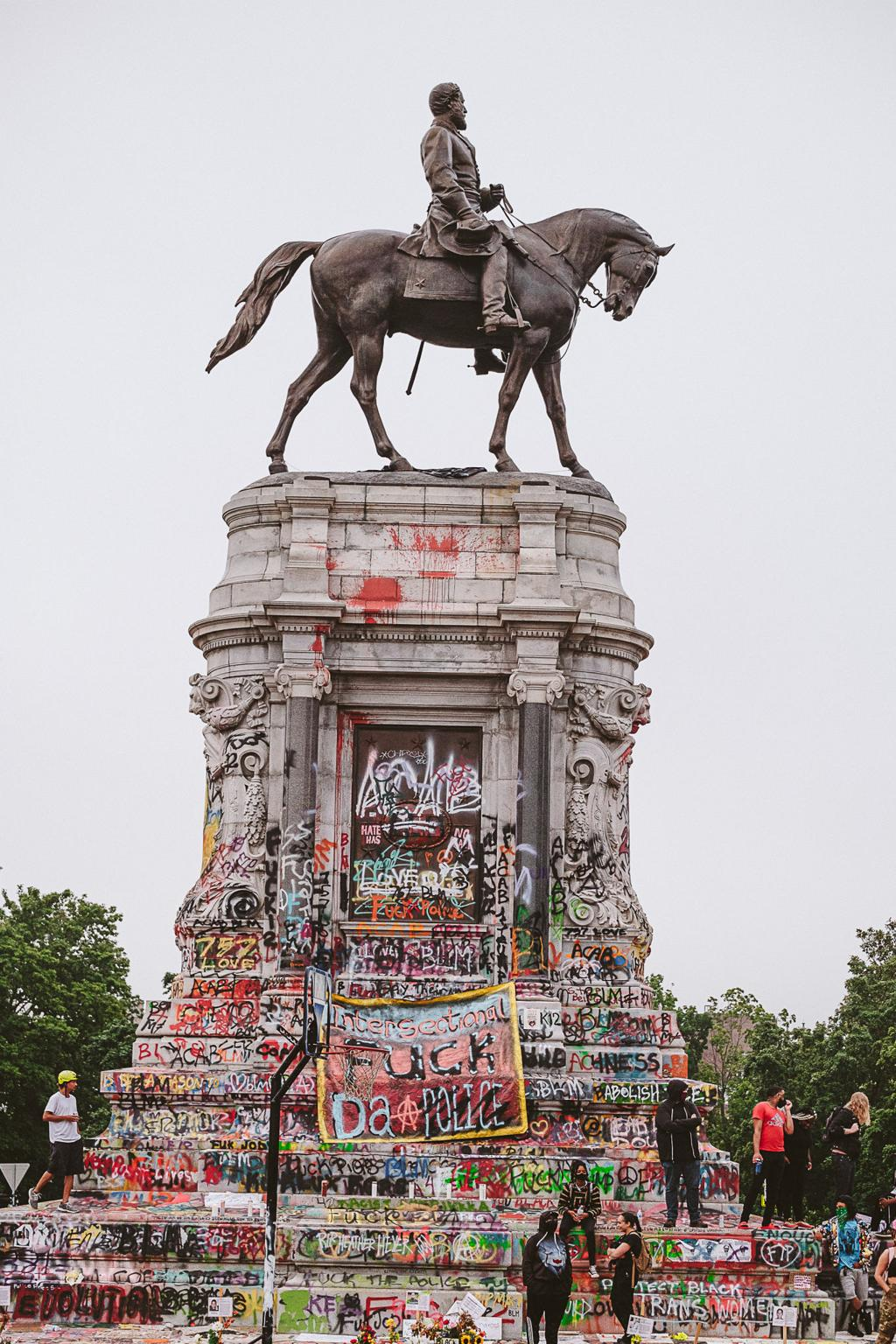
Few cultural flashpoints in modern American politics are as emotionally charged as the fate of Confederate monuments. Across the United States, statues commemorating leaders of the Confederacy have been removed, relocated, or defended in an ongoing struggle over how the country remembers its Civil War past.
In this debate, former President Donald Trump has often positioned himself on the side of preserving historical monuments, including those tied to the Confederacy, arguing that their removal represents a form of historical erasure rather than contextual reassessment.
Trump has previously criticized efforts to remove Confederate statues during periods of civil unrest and supported policies that would make it more difficult for cities and states to take them down. His administration also signaled opposition to renaming military bases that honored Confederate figures, framing such changes as unnecessary revisions of American history.
Supporters of preservation argue that these monuments represent history rather than endorsement, and that removing them risks oversimplifying the past. They often emphasize the importance of remembering the Civil War in its full complexity, including the figures who played roles on both sides of the conflict.
Opponents, however, view Confederate statues as symbols of slavery, racial hierarchy, and rebellion against the United States. For many, their presence in public spaces is incompatible with modern democratic values and racial equality. The push to remove them gained significant momentum following national protests over racial injustice in recent years.
Public opinion on the issue is complex and often depends on how questions are framed. Polling has shown that Americans are divided: some support keeping monuments in place as historical artifacts, while others favor removal or relocation to museums where they can be interpreted in context rather than occupying civic spaces.
The broader political argument extends beyond statues themselves. It reflects a deeper conflict over national identity, historical memory, and the role of public symbols in shaping collective understanding of the past. For some, the debate is about preserving heritage. For others, it is about correcting historical narratives that glorify systems tied to slavery and oppression.
While Trump’s stance has aligned with preservationist arguments, the issue itself has not been resolved at the national level. Instead, it continues to play out state by state, city by city, often depending on local political leadership and community pressure.
What remains clear is that Confederate monuments have become more than stone and bronze. They are now focal points in a broader cultural argument about how America interprets its history, and who gets to decide which parts are remembered in public space.
—Sylvester Loving, B1Daily





Leave a comment